
"It was my way of life": Beloved Yorkshire Chandelier hang up their clogs after 50 years of dancing

Traditional clog dancing group the ‘Yorkshire Chandelier’ has had it’s ‘last hurrah’ after 50 years of performing.
The Yorkshire Chandelier clog dancing team has come to an end after 50 years of entertaining crowds.
Founded back in 1975, the group has now finished after they were unable to recruit new members and collectively decided they could no longer “dance like they used to”.
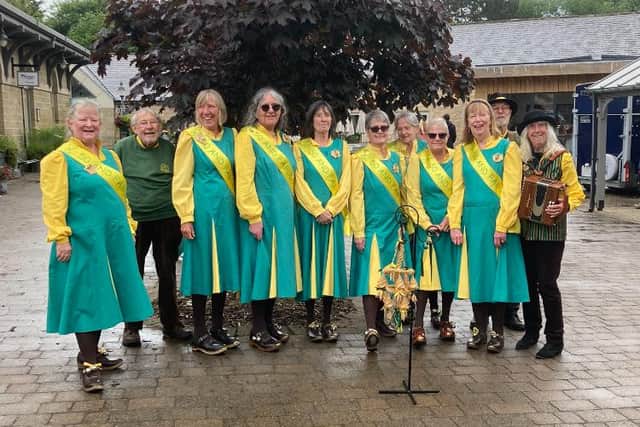

Susan Shirt, 62, is one of the original members. Describing the impact the team has had on her life, she said: “It just feels part of your soul, really. It was my way of life.
“Dancing out in South Yorkshire, some of the places we’ve been, the countryside is beautiful, the birds are out, the trees are out - it’s just glorious.”
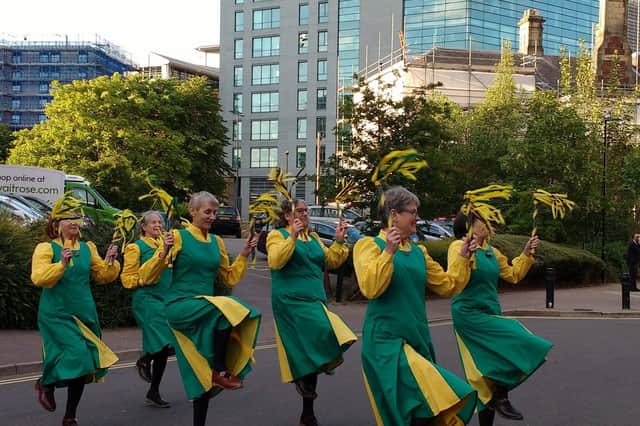
Clog dancing is a type of folk dance where performers wear shoes with wooden soles or metal taps, the Yorkshire Chandeliers practiced a specific “North-West tradition”.
This is where they would “dance in formation” and move in shapes to form a star.
Susan said: “They sort of recognise movements and patterns that you make and how you put those together.”
Back when the group first formed, there was around 40 members, but now, only eight remained before they decided to stop.
Susan added: “I think it became an outlet and a place for women to go and be together, do something different, get away from the stress of everything - and it was quite a supportive environment.”
The name ‘Yorkshire Chandelier’ actually comes from something called a ‘corn dolly’, which is a traditional harvest figure made from straw woven from the last sheaf of harvest.
The ‘Yorkshire Chandelier’ is a type of corn dolly, in which the group carried with them to every dance as a form of identity.
Susan said: “They had made this lovely sort of cast iron thing for it to hang in, and we would put it in front of wherever we danced.”
Over the years, the group performed at various folk festivals across the country, and even danced at the opening ceremony of the World Student Games in 1991, a major international sporting event that took place in Sheffield.
Susan said: “We practiced September through to the end of April. The first of May in the Morris diary is a very important day, because it’s the first day of summer. It’s all to do with fertility and crops and having a good harvest.”
So after 50 years of dancing, the group had their “last hurrah” on September 24 at the Francis Newton pub, where they performed their final dance and were accompanied by six other teams from Sheffield.
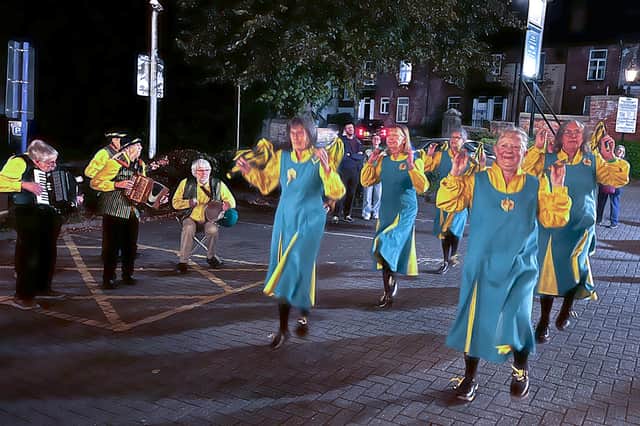
The support they received on the night was “magical”, and Susan shared how it was “beyond what they thought was going to happen”.
She said: “To continue, we probably need about three or four new dancers, that would keep us going really. I’m always hopeful, but we are putting ourselves to bed.
“If in a few years time somebody goes, let’s create a new chandelier and revise what clog dancing is and put it into the 21st century. I’m hopeful that may happen.”