
“It seems incredibly unfair”: Greenbelt build could go on for length of children’s whole primary education
“These kids don't get trips to the seaside. They certainly don't get trips abroad. This is their escape”
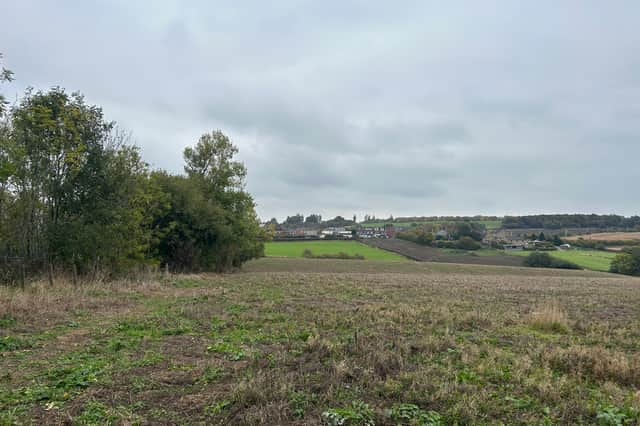
A Sheffield councillor is concerned plans to build more than 300 homes on a greenbelt field - estimated to take around eight years - will take children's countryside away and impact their education.
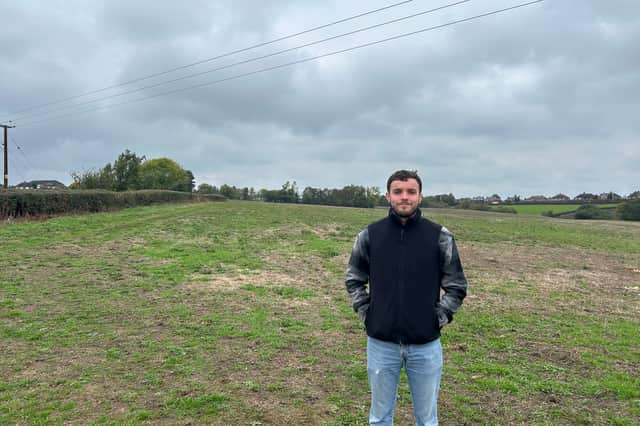

Councillor Luke Goddard, member of the education, children and families committee at Sheffield City Council, has been campaigning against development on a field in his Birley ward.
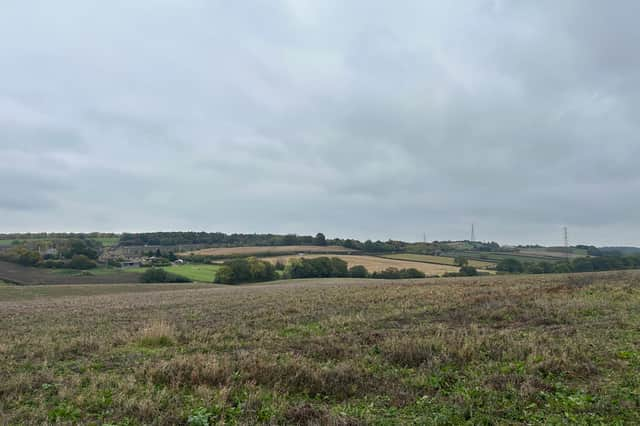
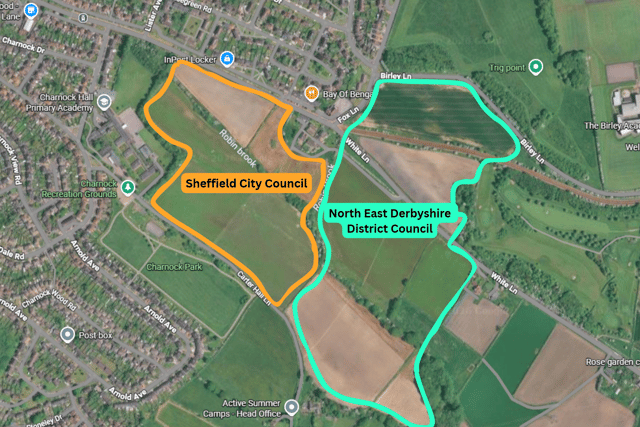
Sheffield’s draft Local Plan, which acts as a blueprint for developing the city, is proposing 304 homes to be built on a 10.84 hectare field in Charnock.
Coun Goddard said the south east of Sheffield is a less affluent part of the city, adding: “For some of these kids, this is their escape."
He said: “Talking with the head teachers, you find out that the kids haven't had the opportunity to go to the countryside. They don't get trips to the seaside. They certainly don't get trips abroad.
“To take that away from some of these communities, and from some of the kids that live in these communities, to me seems incredibly unfair.”
He said the site has “basically one row of trees” between where the houses are proposed to be built, and an NHS speech and language therapy centre, a nature-based alternative education provider Hugi Nest, and Charnock Hall Primary School.
The language therapy centre supports children and adults with communication needs, and Hugi Nest supports children with special educational needs.
Coun Goddard asked: “How does building, and the noise that comes with that, impact the people that need that service, and how does the noise of building on these fields for years, impact the children growing up in primary school?
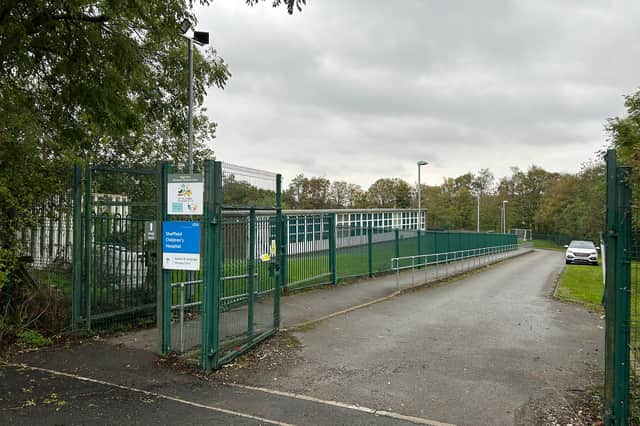
“Will we have children that basically spend the whole of their primary education with a building site next to them?”
These concerns are echoed by local resident and campaigner Jonathan Hobson, who has been questioning the council about its Local Plan for the past year.
Mr Hobson said: “We're looking at an eight-year buildout of these houses. You're essentially having a child that could start at the nursery and be potentially affected by noise and dust, all the way through their whole primary education.
"There seems to be no real commitment to mitigating that in any way apart from adding trees in, which in the master plan, they're not there.”
Coun Goddard is concerned about school sufficiency, particularly because there is no post-16 education in the south east of the city.
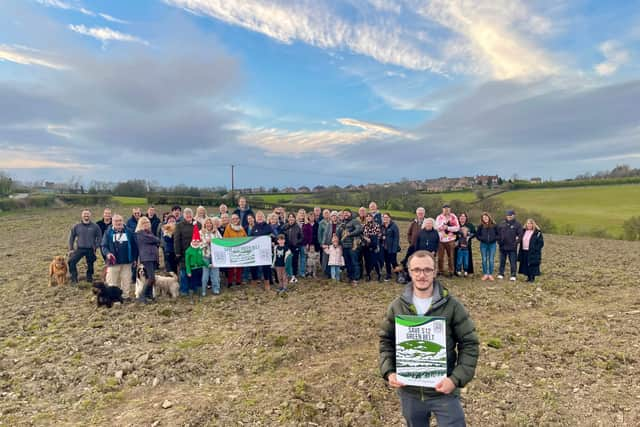
He said: “Between S12 and S13 from my understanding, we've got 2,775 houses proposed and only one secondary school earmarked to be built.
“I don't know where the council expected the up to 500 primary school children to go, because I've asked them, is there space in the schools in the south east between S12 and S13 to absorb that extra capacity?
“The answer I got was city-wide, there is capacity for primary school children, or a surplus, even.
“But I know for a fact parents in Birley do not want to send their children to a primary school in Stocksbridge. It's at the other end of the city.
“It's no good looking at a city-wide surplus. We need to know locally.
“What we can't do is build nearly 3,000 houses, take away 96% of S13's green belt, and then say, oh, actually, we need to build a primary school now, because we've got too many houses and too many primary age kids.
"Then we have to take away the last 4% of the green belt to build a primary school.
"I don't know if the council have thought of that as much as the parents have.”
He said these knock on effects must be considered before the Local Plan goes anywhere, and suggested the council “reconsider the brownfield" to find alternatives to green belt development.
Councillor Alexi Diamond, chair of the transport, climate and regeneration policy committee, said: “The Local Plan Inspectors considered the evidence, including the landscape and heritage impact, and concluded that SS19 is suitable for housing.
"The site is also close to the tram route and local facilities at Gleadless.
“The impact on the nearby school and Speech and Language Centre was considered during the public examination hearings.
“Any future planning application would need to take neighbouring uses into account, and a construction mitigation plan would be required to minimise disruption.
“The council continues to monitor demand for school places. Current modelling shows there is capacity at primary school level across the city.
“The Local Plan also reserves land for two secondary schools and a SEND school, should forecasts show they are needed.
“We also continue to monitor post-16 demand and accessibility and work with education providers, the Department for Education and South Yorkshire Mayoral Combined Authority.
“The Inspectors concluded that a small number of green belt sites are needed to meet Sheffield’s housing and employment needs up to 2039.
“Around 80% of the new homes proposed in the Plan and 75% of employment land would be on brownfield sites. The Green Belt sites proposed for development represent around 3.5% of Sheffield’s Green Belt overall.
“In the Sheffield part of the S13 postcode area, the amount of designated Green Belt would reduce from 469.49 hectares to 335.60 hectares under the Local Plan.
“This is a reduction of around 29%, not 96%. Some land removed from the Green Belt would become Urban Green Space Zones and would therefore continue to be protected from development.”
- RELATED: Six police officers assaulted in the line of duty in one weekend
- RELATED: Yorkshire Water handed one-star rating in new report
- RELATED: Former church leader and wife charged with eight counts of rape
- RELATED: Sheffield gunman on run from cops for speeding tried to hide loaded pistol in bushes