
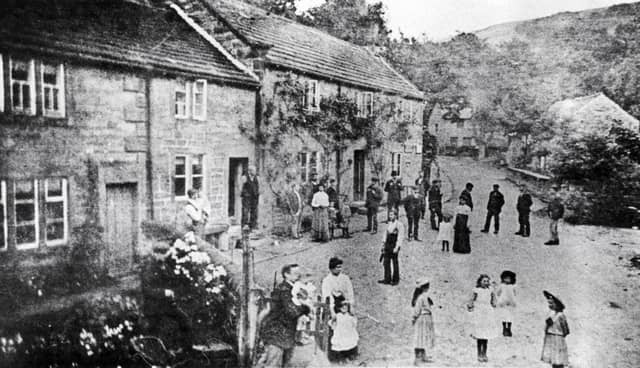


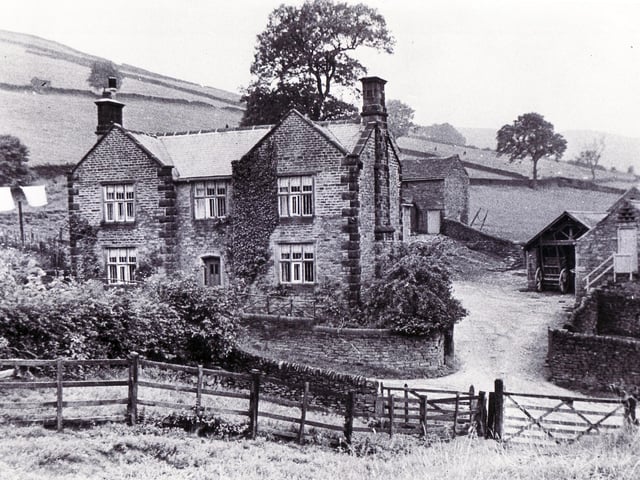
The stone-built ivy-clad houses were so solid and the communities so established it seemed things could never change.
Ashopton and Derwent were no different to hundreds of Peak District settlements, most of which are still going strong today.
Ashopton boasted a 17th century hall, toll cottage, Georgian coaching inn and dozens of cottages.
Yet these idyllic rural hamlets were removed from the landscape and then drowned, as our old photos show.
First, dams and a huge viaduct were built. Then, as the waters rose, people were moved out and the houses pulled down.
Ladybower, Derwent and Howden dams were built between 1901 and 1945 and the villages of Ashopton and Derwent were submerged in 1943, although they continue to loom large in the imagination today.
We have delved into our archives to produce this sequence of eerie photos from when the water came.
In case you missed them: 13 mistakes people make when visiting Sheffield - things NOT to say on your first visit
Sheffield retro: 10 of the oldest pubs in the city - and what their names mean
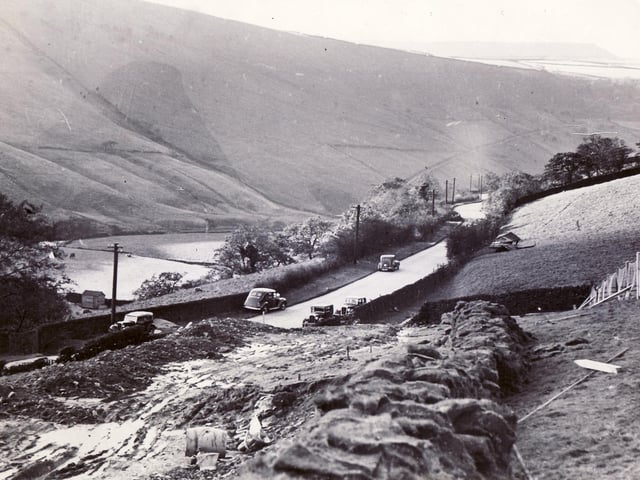
5. The start of the diversion
The start of the diversion above Ashopton which was demolished in the early 1940's to make way for the Ladybower Reservoir Photo: Julia Armstrong
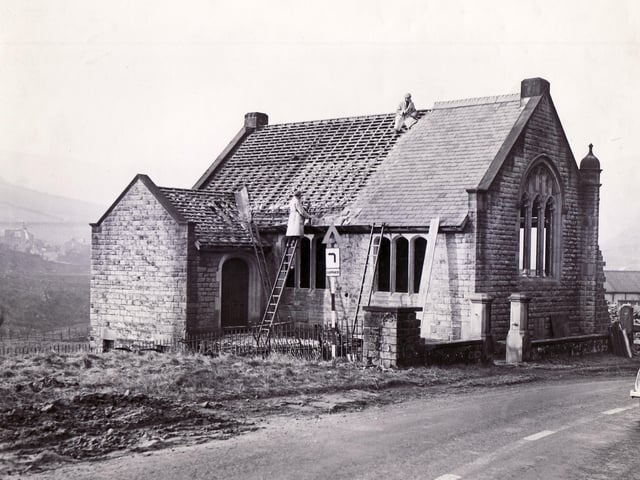
7. Wesleyan Methodist Church
Pulling down the Wesleyan Methodist Church - January 1943 to make way for the Ladybower Reservoir Photo: Julia Armstrong
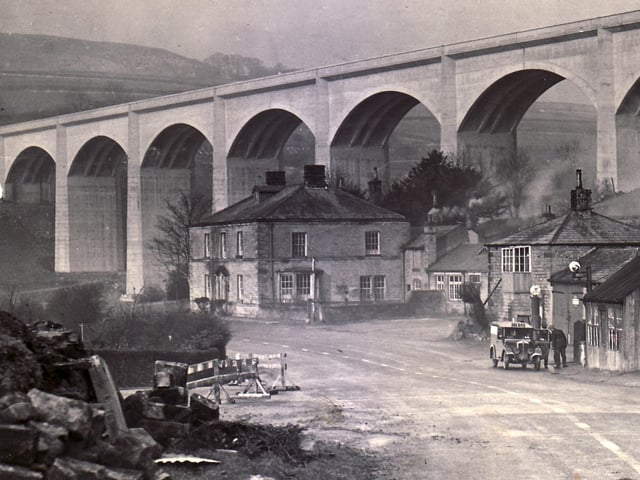
8. The new viaduct
The new viaduct at Ashopton before the village was flooded to make way for the reservoir in the 1940s Photo: Julia Armstrong