
Sheffield United address big matchday "issues" at Bramall Lane after Brexit and Covid-19 impact

Sheffield United “hope” to see improvements in their matchday catering offering for supporters after the effects of Covid-19 and Brexit settle down, after admitting they are “aware” of issues and have set up a dedicated channel to deal with complaints.
Bramall Lane catering is often a cause for debate amongst fans, with pricing, availability, service and queuing time amongst the biggest issues reported by supporters who feel it impacts their matchday experience.
United work with Compass, a highly-regarded company who also have partnerships with Chelsea and Leicester City and the Wimbledon tennis championships, on their matchday catering offering and United chief executive Stephen Bettis admitted recently during a round-table with local journalists that the club are “always aware of issues” raised by supporters in that field – with shortages of both food and matchday staff both causing problems last season, as United fell just short of qualifying for the Championship play-off final.
“I get letters about it. We have set up a different way of dealing with complaints at the club, and we are aware of it,” he added.
“If we are talking about the last couple of years, I am sorry to say we have to discount it because the whole world was turned upside down because of Covid.
“We are lucky we even have food or staff at times because the staff shortages have been a nightmare. Due to Covid and Brexit and the food distribution issues you will have read about in the news.
“At times we have been struggling to even get stuff for the kiosks to sell. The last two years have been really difficult for everybody. Not just us, but every club.”
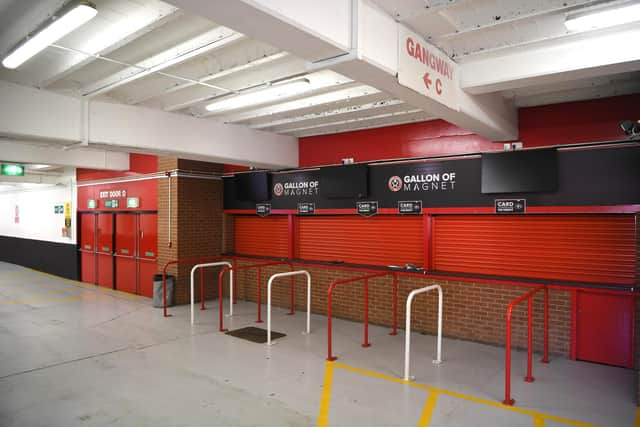

The Star understands there are no plans to switch to a different partner, with Bettis adding he is “happy with the relationship” United have with Compass.
“They do react to problems and try and address those,” Bettis added.
“You would hope to see improvements in that industry once it settles back to normal. It's a country-wide problem with a lot of industries at the moment and you just have to hope it's going to get better the longer time goes on.”