
Sheffield drought: Hosepipe ban could last into 2026, Yorkshire Water warns

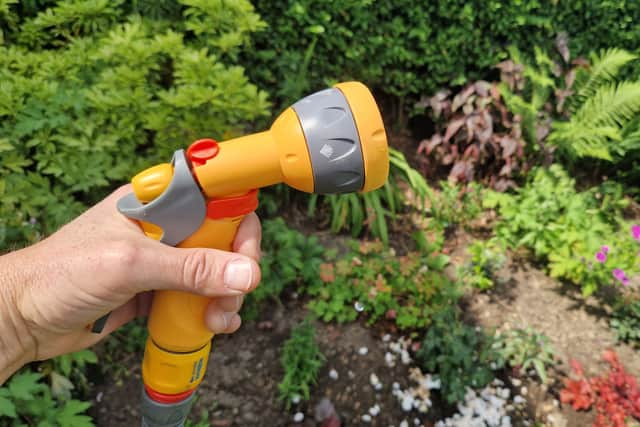
Sheffield’s hosepipe ban could last until the end of February to prevent the need for standpipes, Yorkshire Water has confirmed.
Restrictions could last until the end of winter after a record dry spring and six months of below average rainfall.
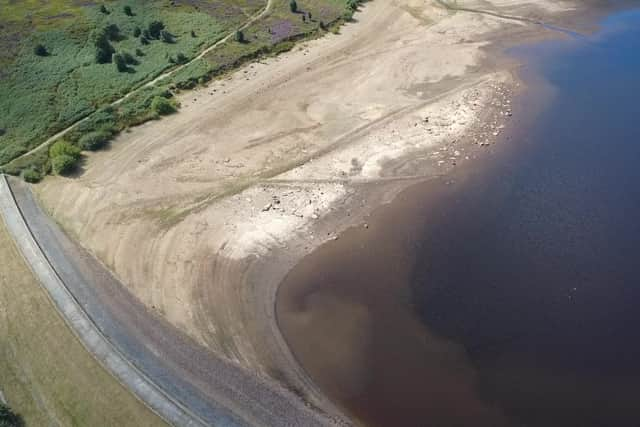
Drone footage from Redmires reservoirs in the west of the city shows water in the top reservoir has receded, creating a 100-yard beach.
The business has also applied to the Environment Agency to cut the flow from reservoirs into Sheffield rivers to save water.


If the drought permits are approved, discharges into the rivers Don, Rivelin, Little Don, Loxley and Ewden Beck could fall by up to half.
Last week, Yorkshire Water said reservoir levels were 42 per cent compared to an average 72 per cent at this time of year.
A Yorkshire Water spokesperson said when they referred to restrictions lasting into winter January and February were included, potentially, but they hoped autumn and winter brought “significant rainfall” which refilled reservoirs and allowed restrictions to be removed.
They added: “All of the measures we’re taking as part of our drought plan - hosepipe restrictions, reducing leakage and drought permits - are intended to reduce demand, protect supplies and protect the environment, as well as allowing a quicker recharge of stocks in the autumn and winter.
“All of these measures are intended to prevent the need for further restrictions and standpipes.”
Sheffield last had standpipes in the street - with water to cut off to homes - in 1976. Yorkshire Water has so far not revealed when they could be reintroduced in this year’s drought.
The company first revealed drought plans in May after “the driest February, March and April in Yorkshire for almost 90 years.”
As well as water restrictions, it says it is spending huge sums fixing leaks - currently running at 17 per cent.
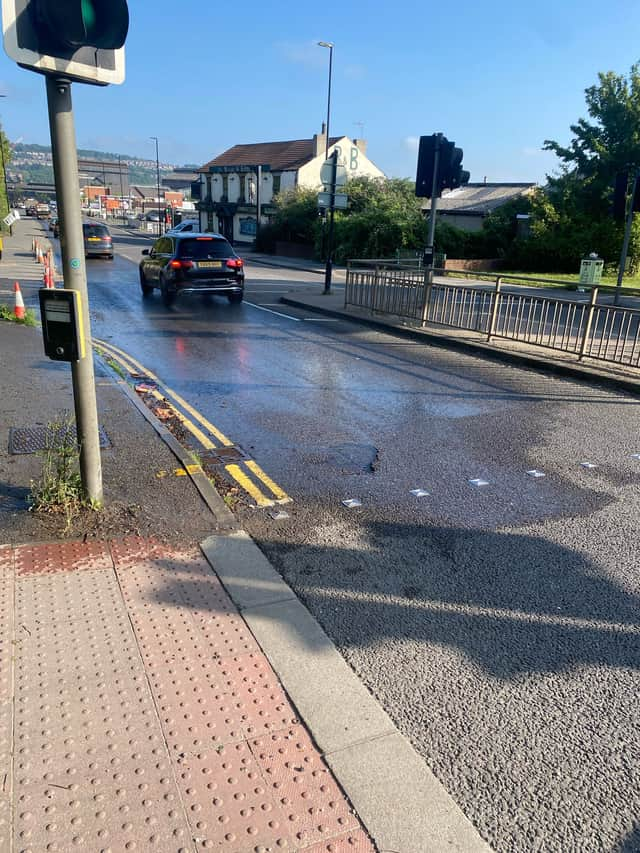
The firm this week fixed a leak on Broughton Lane, near Sheffield Arena, first reported at the beginning of July.
A spokesperson said leakage was the lowest it “had ever been in Yorkshire.”
They added: “We have reduced leakage by 15 per cent over the last five years and will be spending £38m over the next five years to continue bringing that number down.
“We’re also working on a £406m scheme to replace more than 1,000km of pipework to make bursts and leaks less likely.”
The firm had also hired 100 new ‘leakage inspectors’ who joined a team that fixed more than 800 leaks a week.

The company has caused outrage by paying huge sums to chief executive Nicola Shaw, who receives £660,000 annually.
She also received £1.3m in previously undisclosed extra pay since 2023, The Guardian revealed, despite Yorkshire Water being banned from paying "unfair" bonuses to executives this year.