
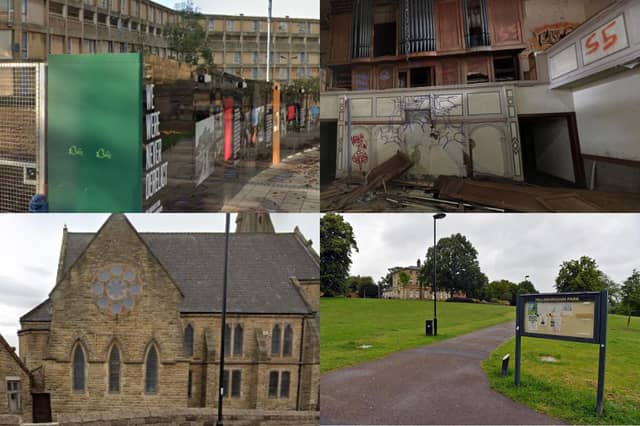

The register is the yearly health-check of England’s most valued historic places and shows those most at risk of being lost forever.
There are a total of 23 places in Sheffield – including parks, conservation areas and buildings – that have made the list this year.
Over the last year, 17 historic buildings sites in Yorkshire have been removed from the register. Many have been saved thanks to the hard work and dedication of local communities and owners, who have come together with public funders to rescue places despite the challenges wrought by the Covid-19 pandemic over the past 18 months.
Over the past year Historic England has awarded £1.8 million in grants to historic places in Yorkshire, more than £800,000 of which came from the Government’s Culture Recovery Fund.
None of the places on the list in Sheffield have yet been removed, although some have been bought by developers and are currently being worked on.
Trevor Mitchell, Regional Director for the North East and Yorkshire at Historic England said: “Our heritage is an anchor for us all in testing times. It provides beautiful places that make us feel good. This year’s register shows that looking after our historic places can contribute to the country’s economic and social recovery as well as bring communities together to enjoy their surroundings.
“The 17 sites saved this year in Yorkshire show what’s possible with strong partnerships investing together to secure public benefits. Agencies such as Natural England, the National Lottery Heritage Fund and Historic England recognise the importance that historic places have for their local communities.
“Whether it’s an overgrown pleasure ground, an abandoned anti-aircraft site, or the forgotten cradle of Leeds’ trading power, it’s clear that restoring our heritage improves people’s lives.”
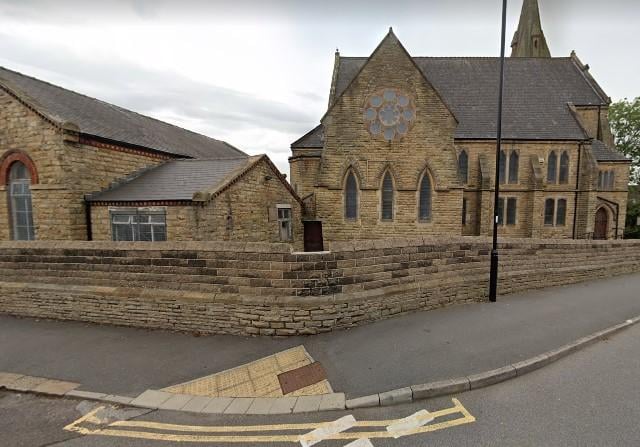
9. Seventh Day Adventist Church adjoining school and boundary wall, Andover Street
Gothic Revival Victorian chapel, now Seventh Day Adventist Church, dating to 1865 by William Hill of Leeds for the Methodist New Connexion and school dated 1862. Rock-faced stone with ashlar dressings and steep pitched gabled and hipped slate roofs with coped gables. Roofs and rainwater goods in poor condition. The condition is described as 'poor' with 'slow decay' and 'no solution agreed'. Photo: Google Maps
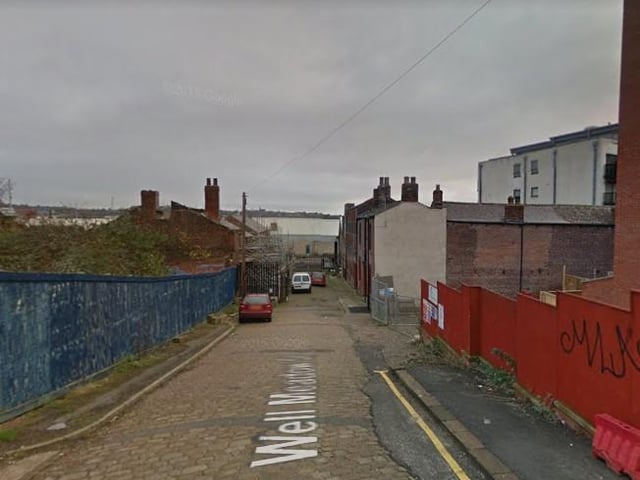
10. Well Meadow Conservation Area
The report says the conservation area at Well Meadow is in 'very bad' condition. Sheffield City Council says the southern most section of the boundary of the conservation area runs along part of Broad Lane taking in the historic cobbles, while the most north eastern boundary runs along the Inner Ring Road. To the north west the area rises steeply up Brocco Street and continues along the middle section of Solly Street taking in historic buildings such as St Vincent's Church. Up until the late 19th Century the area was predominantly housing and small industry, most importantly buildings associated with the metal trades industry, but slum clearance and changing land uses have led to more warehouse and general industry uses throughout the 20th Century. Photo: Google Maps
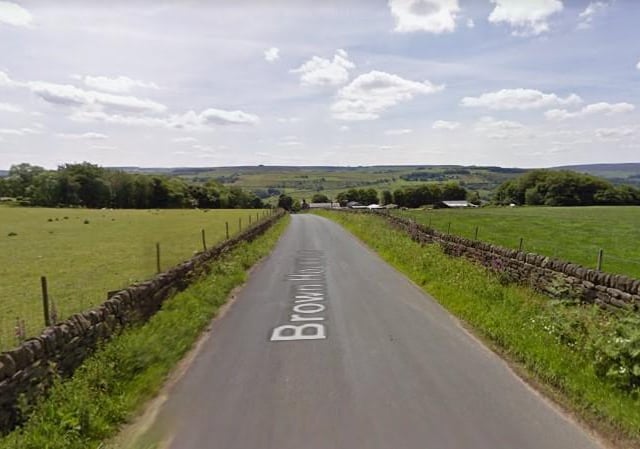
11. Bailey Hill Castle, High Bradfield
A scheduled monument know as 'Bailey Hill motte and bailey castle' in High Bradfield. The report says the condition of the monument is 'generally satisfactory but with significant localised problems'. Photo: Google Maps
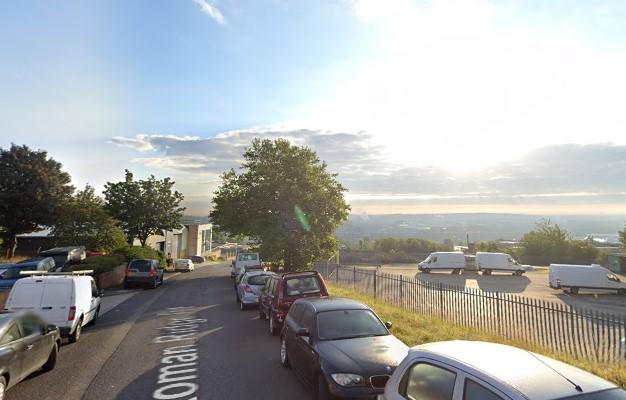
12. Roman Ridge
The section 600yds (550m) long between Jenkin Lane (now Road) and Tylers Street in Sheffield is a scheduled monument. The report says it is 'generally unsatisfactory with major localised problems' and that its principal vulnerability is 'moderate' visitor erosion. Photo: Google Maps