
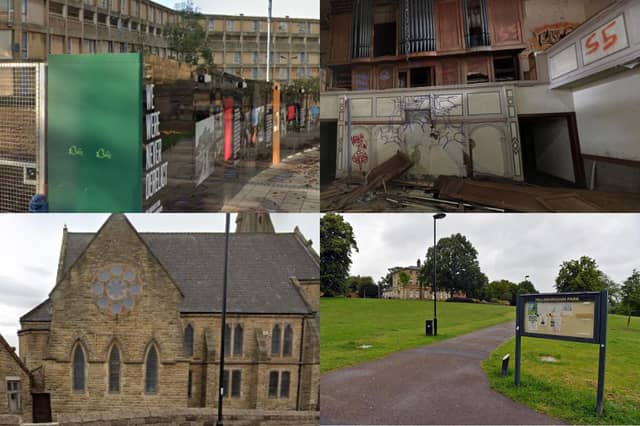

The register is the yearly health-check of England’s most valued historic places and shows those most at risk of being lost forever.
There are a total of 23 places in Sheffield – including parks, conservation areas and buildings – that have made the list this year.
Over the last year, 17 historic buildings sites in Yorkshire have been removed from the register. Many have been saved thanks to the hard work and dedication of local communities and owners, who have come together with public funders to rescue places despite the challenges wrought by the Covid-19 pandemic over the past 18 months.
Over the past year Historic England has awarded £1.8 million in grants to historic places in Yorkshire, more than £800,000 of which came from the Government’s Culture Recovery Fund.
None of the places on the list in Sheffield have yet been removed, although some have been bought by developers and are currently being worked on.
Trevor Mitchell, Regional Director for the North East and Yorkshire at Historic England said: “Our heritage is an anchor for us all in testing times. It provides beautiful places that make us feel good. This year’s register shows that looking after our historic places can contribute to the country’s economic and social recovery as well as bring communities together to enjoy their surroundings.
“The 17 sites saved this year in Yorkshire show what’s possible with strong partnerships investing together to secure public benefits. Agencies such as Natural England, the National Lottery Heritage Fund and Historic England recognise the importance that historic places have for their local communities.
“Whether it’s an overgrown pleasure ground, an abandoned anti-aircraft site, or the forgotten cradle of Leeds’ trading power, it’s clear that restoring our heritage improves people’s lives.”
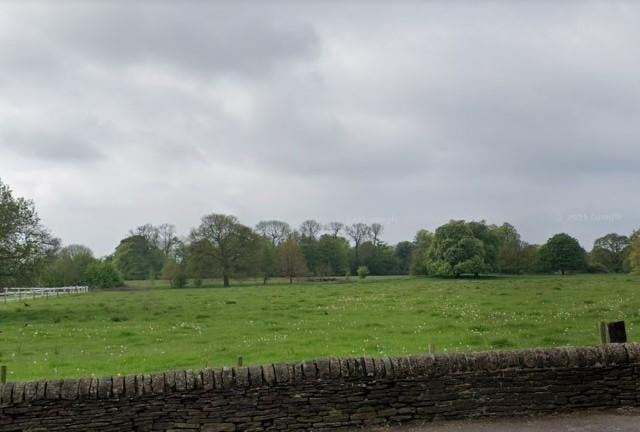
5. Oakes Park
Gardens and pleasure grounds in Norton with early to mid-C18 origins, an early C19 terrace and parkland probably dating from the early C19. Park and gardens compromised by multiple uses, condition of park is poor and listed structures in very poor condition. Photo: Google Maps
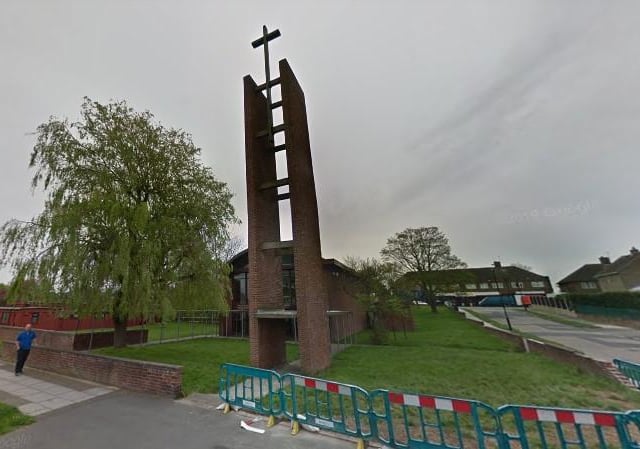
6. Church of St Paul, Wordsworth Avenue
1960s church by Sir Basil Spence. Repairs carried out to body of church, but further extensive repair needed to the concrete cloisters which extend from the front of the church. Some repairs, grant-aided under the National Lottery Heritage Fund and Historic England's former Repair Grants for Places of Worship scheme, have been completed, but more work is required. The condition of the listed building is categorised as 'poor' and an 'immediate risk of further rapid deterioration or loss of fabric' with 'no solution agreed'. Photo: Google Maps
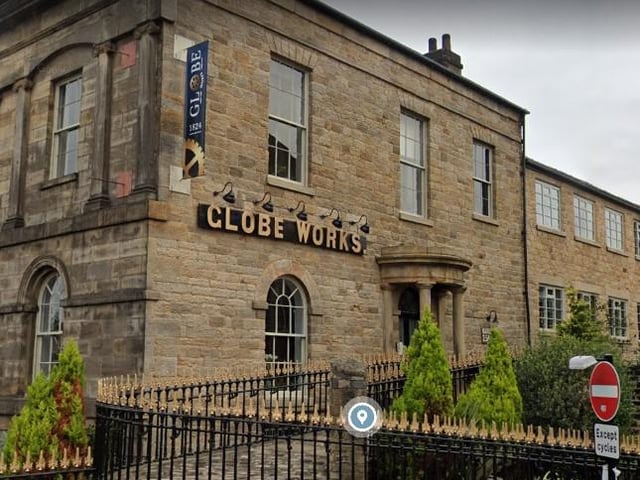
7. Globe Works
Dating to 1825, with later C19 workshop ranges, this is Sheffield's earliest known surviving example of a purpose-built cutlery and edge tool works retaining both its front display range and workshop ranges. It incorporates four hand forges and the only known remaining example of urban back-to-back grinding hulls. The front range of this complex is occupied and in good condition. Some of the rear ranges have been repaired and reoccupied. One range is still derelict and in poor condition, but a scheme of repair and conversion has been approved and is about to be implemented. Photo: Google Maps
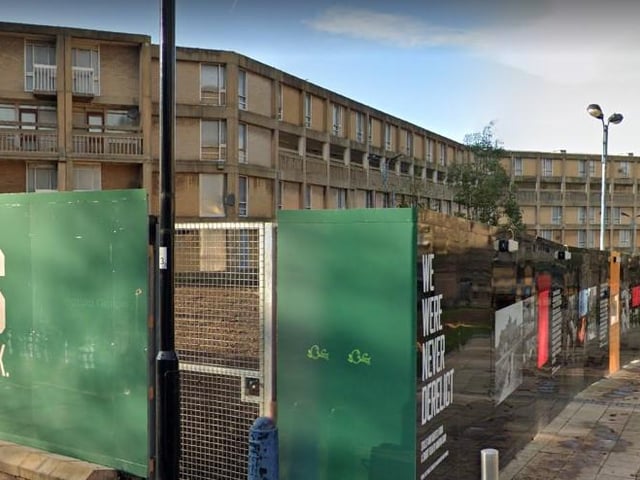
8. Park Hill Flats
1957 to 60 innovative flats development by the City Architect's Department under JL Womersley, designed by Jack Lynn and Ivor Smith, part of post-war slum clearance. Exposed concrete frame grid to elevations with brick infill panels. Combines 1 and 2 storey units with ‘streets in the sky’ deck access. Laid out in 4 cranked ranges to take advantage of the sunlight and views. Condition is poor and at risk, with extensive concrete surface spalling and current vacancy of parts awaiting redevelopment. 1 of 5 phases completed, Phase 2 and 3 on site, Phase 4 current planning application. Photo: Google Maps