
Sheffield community organises strategy to stop Glyphosate spraying
Sheffield No Glyphosate Campaign is using a community organising, street-by-street strategy to persuade the council to change its policy.
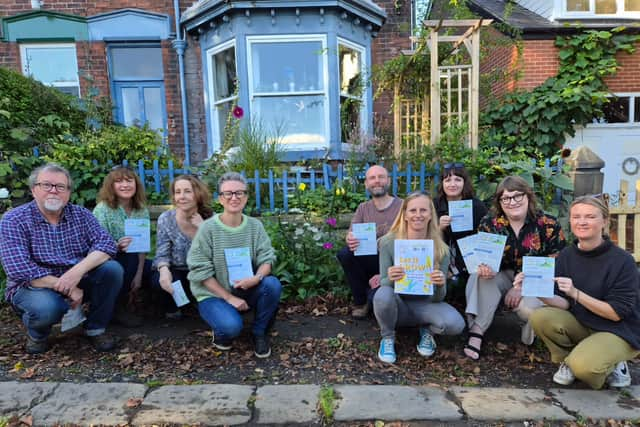
Campaigners are so far working on 24 different streets around the city, putting up posters, distributing leaflets, and talking to neighbours about what we can do about Glyphosate.
So what’s the fuss about? Glyphosate is a weed killer that’s liberally sprayed around the city by Amey to fulfil their contract with the council. Its purpose is to kill weeds, but of course it also kills the wildflowers so desperately needed by pollinating creatures like bees. It is very dangerous because it causes cancer and is picked up on the paws of pets who ingest it when they wash themselves. Wind can carry the chemical onto neighbouring properties, risking home-grown fruit, vegetables and garden plants.

It is particularly serious in children's playgrounds. At the recent Green Party conference I learnt about a study of Glyphosate in children's playgrounds. Play equipment in 13 different parks was swabbed for Glyphosate. It was found on all of them, apart from the park in Hackney, where the Council stopped using it in 2021. None of the playgrounds were close to agricultural fields, suggesting that the contamination detected is likely to originate from the widespread use of glyphosate by UK councils to remove unwanted plants in public spaces.
Nick Mole, Policy Officer, Pesticides Action Network (PAN UK), said: “It is deeply concerning to find a Highly Hazardous Pesticide like glyphosate present in the very places where our children play. UK glyphosate use has skyrocketed in recent years, as has the evidence linking this chemical to serious health conditions. We all know that young children tend to put their fingers and other items in their mouths so finding glyphosate residues in playgrounds, including on play equipment such as swings and slides, is particularly worrying.”
The campaign appreciates that the council can’t just stop spraying without finding an alternative. Some plants like buddleia can grow very quickly, causing an obstacle, and have woody roots that can damage the pavement. This is where People Power comes in. Residents are offering to keep plants like buddleia at bay by removing them, whilst letting other wild plants that don’t pose a problem to anybody thrive on the edges of our pavements.
Residents are concerned that the Council policy is being ignored by Amey. Workpeople are only supposed to spray weeds, but they are often spotted leaving a continual trail all along the pavement, even when there are no plants to spray. Sometimes they have sprayed plants growing over garden walls, clearly planted for decorative purposes. They are not supposed to spray when it is windy, but people have experienced damage due to this. Responses from Amey to complaints are standardised, copy-and-paste, and do not answer people’s questions.
So what's the plan? The No Glyphosate Campaign hopes to persuade the Council to stop spraying Glyphosate and change the narrative on weeds and wildflowers.
Sheffield has declared a Nature Emergency. If they are taking this seriously the very first thing they should do is to stop poisoning nature. Using less Glyphosate will save money. Do we have a deal, Sheffield Council?