
Historic former Sheffield pub that 'needs preserving' after plans for local demolitions revealed
Why the old Royal Lancers in Neepsend needs preserving - according to those who know its history best
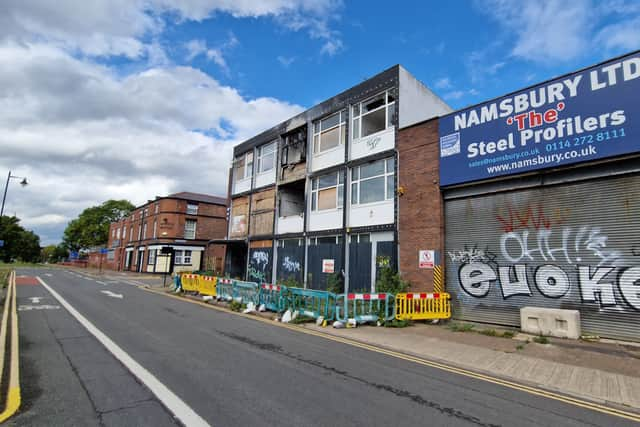
The Star received a letter a few days after an article was written about the demolition and redevelopment of some of Neepsend’s disused buildings.
The letter writer shared his concerns that a “historic pub” building in the area could be impacted by localised redevelopment - outlining the historic value of one the city’s forgotten public houses.
Ron Clayton is a self-professed professional Sheffielder with a deep insight into the city he lives in. Sharp of wit and sometimes acerbic in tone, he has become a well-known local speaker on almost every Sheffield monument and landmark.

So when he took the time to write to this publication about Lancers House, formerly The Royal Lancers, we had to listen to his concerns.
In his letter, Ron highlighted the fact that the building was one of the last few remaining pubs possibly connected to the city’s barracks – alongside the long demolished The Old Light Horseman.
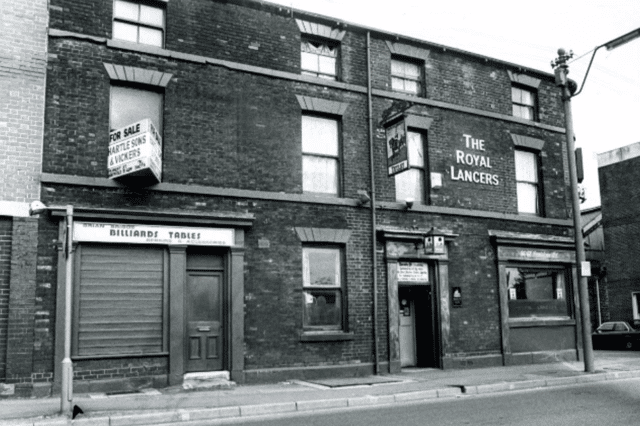
Online in various Sheffield-related forum posts, many conversations take place with memories shared of the Tetley’s-owned Neepsend boozer. It was a much-loved location, pulling pints up until 1988 when last orders were taken and the building was sold on.
Following its closure, it was at some point occupied by a double-glazing company before later becoming Lancers House and a House of Multiple Occupation (HMO). Owned by the Salt family for the past 23-years, it was sold earlier this year and it remains to be seen what use the building will be put to in the future.
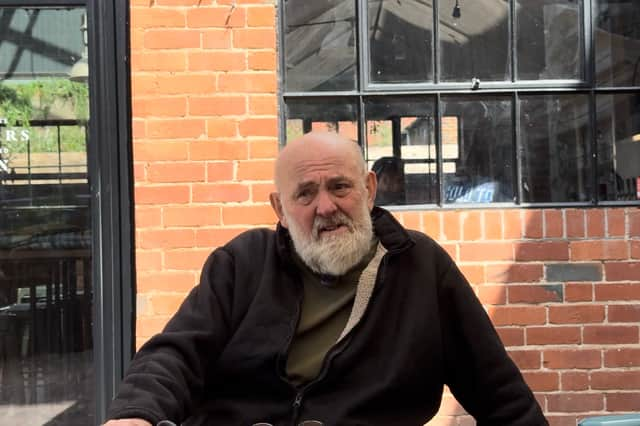
Ron is clear about what purpose he feels the former pub should fulfil, saying: “The way it’s built and the way it stands on the corner, you’re not telling me that you can’t make a success out of that as a pub?
“Pubs are important places because they’re places where you can meet and talk to people.”
The building’s origins are somewhat shrouded in mystery. Records held in the city archives date The Royal Lancers pub to at least 1852.
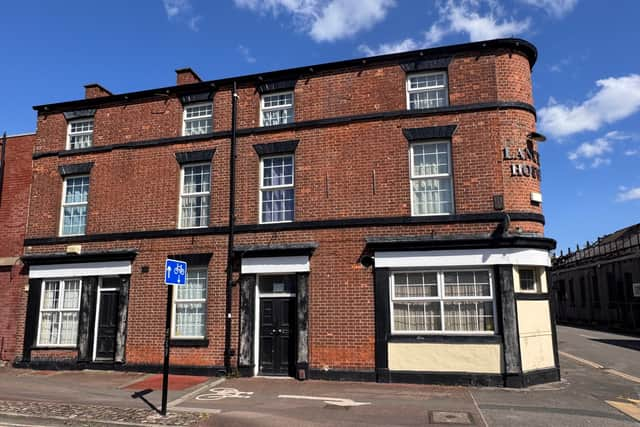
“It’s difficult to know unless you go into the archives, I suspect it was the middle of perhaps the late 19th century,” said Ron. “There’s big developments going on around there and I’d like to see that pub survive”
Age and ill-health have taken their toll on Ron, who struggles to walk with the same verve and purpose that he used to – especially during his guided and exuberantly narrated history walks of the city. However, his passion for Sheffield remains undimmed. “The city’s history is one of the loves of my life,” he said. “One of the big things that Sheffield doesn’t acknowledge is its role as a Garrison Town. Until the 1930s, we had this big massive barracks at Hillsborough, which is still there now, although it’s a Morrisons.
“It’s actually one of the few walled barracks left in the country, it’s even got its own powder magazine, a place where gunpowder was kept. I think it’s a linen store or meeting room.
“I’ve taken people around and it’s fascinating the way it’s constructed.”
Turning our attention back to The Royal Lancers, Ron believes it would have been one of the only pubs to be used by off-duty soldiers. “To me, it feels like you’re losing the bits of the jigsaw,” he adds about the regeneration about to take place.
The pub would have served many different types of people throughout its long history, but its links to the military of the local area is something that fascinates Ron.
“I’m pretty much certain that the pub is connected to the Hillsborough Barracks and not the smaller army barracks near Hillfoot Bridge,” he said. “As far as I know, Hillfoot didn't have any Lancer regiments in.
“I’m fascinated by military history, and Winston Churchill took part in the last great military charge of the British cavalry, The Battle of Omdurman in 1898.”
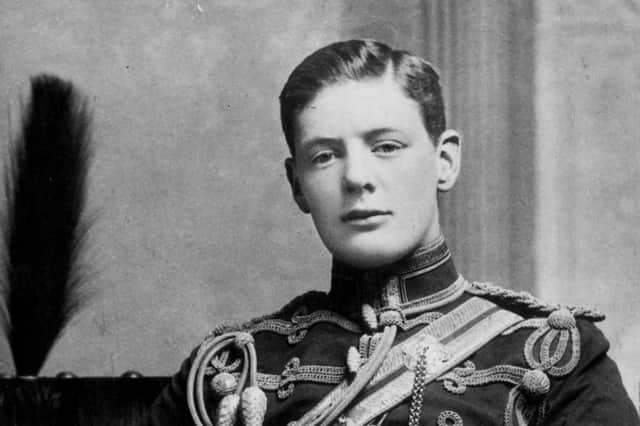
It is this moment in history, a charge performed by the 21st Lancers (later known as the 21st Empress of India's Lancers) that forms the connection Ron made initially and why retaining buildings like this matter so much to him.
The 21st Lancers were later amalgamated with the 17th Lancers in 1922 to form the 17th/21st Lancers, something Ron noted in his initial letter to The Star. The 17th/21st Lancers were later amalgamated into what is now known as The Royal Lancers, just like the pub.
But why does it get to Ron? Why does it matter so much? “It’s about it being a bit of history,” he says. “It’s not about promoting wars, it’s basically a pride in what they did. And that’s why buildings like this should be retained.
“I’ve got this reputation as a grumpy old man and I can’t think why, unless I listen to myself,” he says with a laugh. Ron makes it clear he appreciates many elements of the city’s redevelopment but is adamant that at its core the city’s village-like spirit should remain, one of collective togetherness and not one of over-exertive gentrification.
“I still have a great feeling for Sheffield and its people,” Ron added. “Pubs are changing and I feel like it’s dying. People don’t do social intercourse anymore. Not like they used to.”