
Giving your child their first smartphone? Seven things you need to discuss


This article contains affiliate links. We may earn a small commission on items purchased through this article, but that does not affect our editorial judgement.
From gaming scams to what a school photograph can reveal, a free guide helps families tackle the less obvious challenges of a child’s first phone
For many families, the move to secondary school is also the point at which a child is given their first smartphone.
That can feel practical when children begin travelling alone or spending more time away from home. But it also opens the door to a digital world that is far harder for parents to keep an eye on.
Social media is only one part of the risk. Cyberbullying, scams, pornography, grooming, misinformation and privacy concerns can all come through messaging apps, gaming platforms, websites and AI tools.
Now SafetyMode, the smartphone safety software developed in partnership with Mumsnet, has put together a free Essential Guide for Parents setting out seven key areas to cover before a child starts using a phone.
1. Screen time and mental health
The first issue is not always what children are viewing, but how long they are spending on their devices.

Late-night use, constant notifications and the pressure to remain connected can all affect sleep, concentration and overall wellbeing. Setting simple rules around when phones can be used, especially at bedtime and during meals, can help establish boundaries early.
2. Cyberbullying and social pressure
Bullying is no longer confined to the school gate. Group chats, gaming platforms and messaging services can carry arguments, exclusion and abusive messages straight into the home. Parents should make sure children know they can speak up about anything that makes them uncomfortable, and understand how to block and report users.
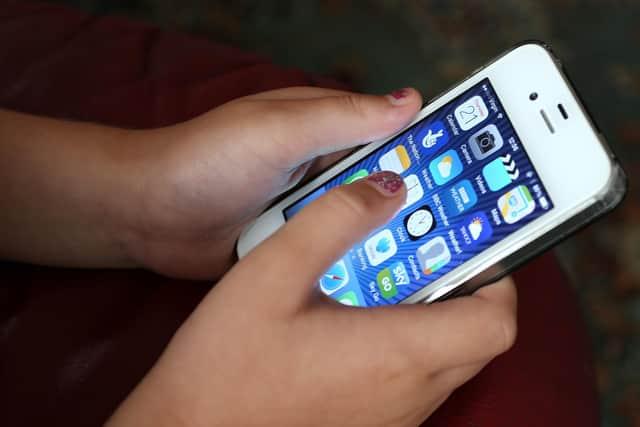
The SafetyMode guide for parents also includes conversation starters to make those talks easier.
3. Pornography, grooming and inappropriate contact
Children can be exposed to sexual content much earlier than many parents expect. That exposure can happen through websites, private messages, shared videos or contact from strangers. Parental controls and content filters can help, but children also need to understand why they should never share intimate images or personal information with someone online.
4. Scams and financial exploitation
Young people are increasingly being targeted by scammers.
Fake competitions, gaming offers, fraudulent online shops and messages promising free currency or rewards can all be used to trick children into handing over passwords, payment details or other information.
A simple rule can help: if something involves spending money, sharing payment details or entering account information, check with an adult first.
5. Misinformation and AI
Children now have access to huge amounts of information, but that does not mean it is all trustworthy.

Misleading videos, fake news, manipulated images and increasingly convincing AI-generated material can make it hard even for adults to tell what is real.
Encouraging children to ask who made something, why it was made and whether another reliable source confirms it can help build good habits early.
6. Privacy and personal safety
Children can share more about themselves online than they realise. A username, school uniform, photograph, location tag or passing comment can reveal where they live, where they go to school or where they spend their time.
Parents should go through privacy settings with their child and explain why information that seems harmless can still matter.
7. Schoolwork and concentration
A smartphone can be useful for homework, communication and research, but it can also become a constant distraction.
Notifications arriving during study time can make it harder to concentrate for long periods, while unrestricted access to AI tools raises fresh questions about how children complete schoolwork.

Setting clear expectations about phone use during homework may help prevent those habits from becoming established.
The free Phone Safety for Teens & Kids guide explores each of these areas in more detail and includes practical actions and conversation starters parents can use straight away.
Rather than trying to frighten children away from technology, the aim is to help them understand both the benefits and the risks before a smartphone becomes part of everyday life.

With the housing market continuing to shift in many parts of the UK, homeowners often choose to start by getting an up-to-date view of what their property could be worth. Estate agent Purplebricks offers a free, no-obligation valuation carried out by a local property expert familiar with current prices and demand in the area 📊.
The appointment typically includes an assessment of the property’s likely market value along with guidance on pricing and presentation if the owner decides to sell 💷. Valuations can be arranged online in just a few minutes by choosing a convenient appointment time and requesting a visit from a local property specialist.
👉 Book a free property valuation with Purplebricks here.