


Take a stroll around Sheffield and you'll no doubt notice there are many interesting and unusual street names.
But have you ever wondered how they got those names?
In some cases the answer is fairly obvious - there are after all plenty of Church Streets, Station Roads and Market Streets around Sheffield and elsewhere in the UK which leave little to the imagination.
But there are many streets with fascinating stories behind how they were named, which tell us a lot about how the city has grown and evolved over hundreds of years.
Some hark back to famous visitors, long-lost buildings or forgotten customs, and, while the origins of certain Sheffield street names are well established, debate still rages about others.
Street Names of Central Sheffield, written by Mary Walton and first published by Sheffield City Libraries in 1977, is an excellent resource for anyone keen to learn more.
We've used it to unearth the often surprising history behind some of Sheffield's best-known streets, including Fargate, the Wicker, Spital Hill and Barker's Pool.
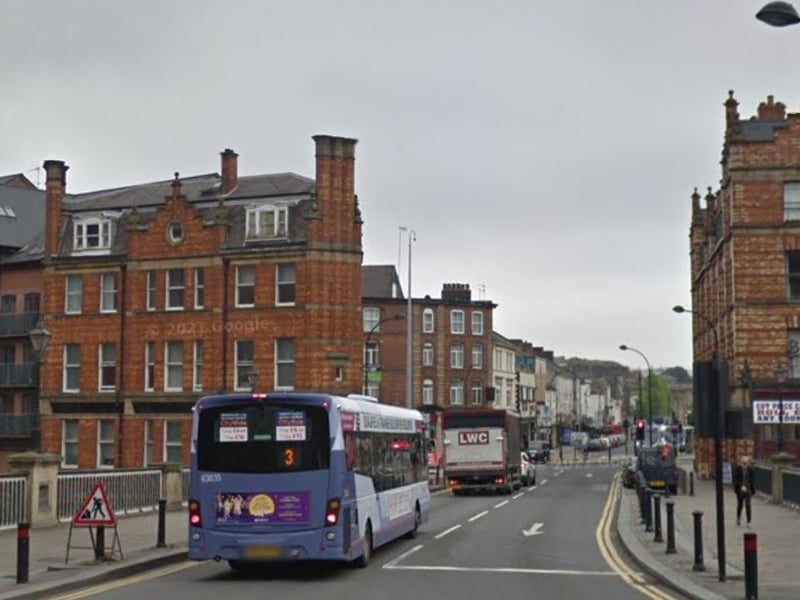
5. Lady's Bridge
Lady's Bridge links Waingate in Sheffield city centre with the Wicker across the River Don. It takes its name from an old chapel dedicated to Our Lady, which was served by a priest who prayed for the safety of travellers. | Google
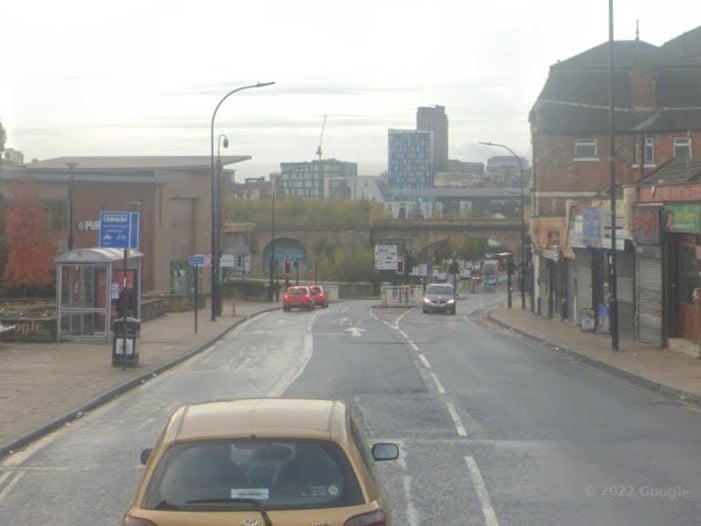
6. Spital Hill
Spital Hill, just outside Sheffield city centre, takes its name from an old hospital in the area which was dedicated to St. Leonard and was a refuge for the aged and sick poor, founded by William de Lovetot early in the 12th century | Google
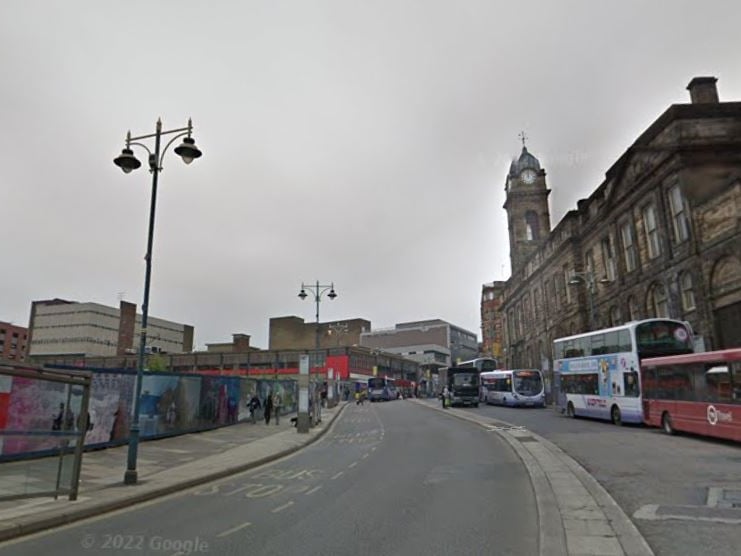
7. Waingate
Waingate is where Sheffield's Castle Market once stood and it is still home to the long-abandoned Old Town Hall. The name simply means 'the wagon way', or the road fit for carts. | Google
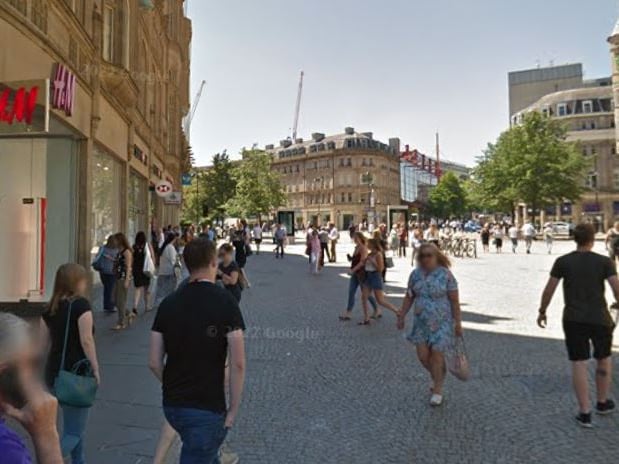
8. Fargate
Fargate was for many years Sheffield's premier shopping street, though that honour now probably belongs to The Moor, with Fargate currently undergoing a multi-million pound transformation. Its name simply means 'the further way', as it was the road beyond Sheffield, which was built up on either side over the years. | Google