
Sheffield allotments bans beekeeping after rising number of attacks, stings and hospitalisation

The allotment trustees say members have felt a “palpable sense of relief” since the change came into effect
An allotment has banned beekeeping entirely after claims that people were hospitalised due to stings.
Beighton Allotments on Orchard Lane informed members in May that they had until the end of June to remove hives from the site after what they describe as failed attempts to resolve ongoing matters of harassment from domesticated bees.
The trustees at Beighton Allotments Association told The Star: “Over the past few years, our members have been subjected to an increasing number of incidents involving domesticated bees located on our site, including harassment, attacks, stings and in some extreme cases, hospitalisation.
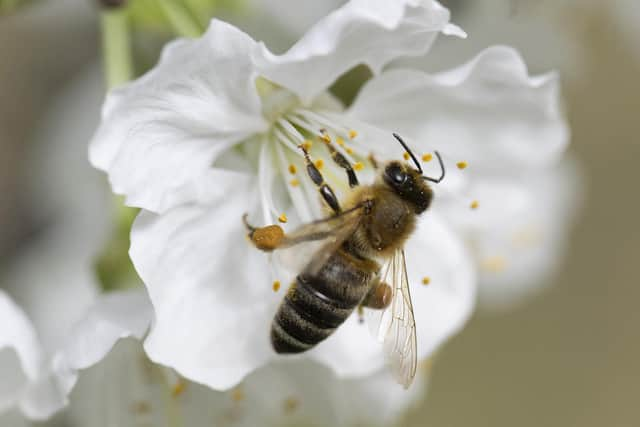

“These were attributed to the increasing number and size of bee hives that were allowed to grow unrestricted across our site, especially during the summer months as the colonies naturally expanded and were not responsibly controlled.
“The situation became critical during May 2025 when members were persistently attacked, chased off their gardens and repeatedly stung, again in some cases hospitalised as a result.
“We asked our beekeepers to take urgent remedial action and were disappointed when none was forthcoming from some of them, especially in the main areas of complaint, which we identified on a map of our site, matching the incidents to the location of their hives.”
The decision received critique online, with some members raising concerns over the ecological impacts this loss of pollinators will have.
Nevertheless, trustees said they are not expecting this to have any effect on crop yield, referencing research that “only five to 15 per cent of pollination is carried out by domestic honeybees.”
The trustees said that they implemented stricter rules for beekeepers last November, in an attempt to mediate concerns from other users of the site, but claimed that “some beekeepers followed it to the letter, others largely ignored them.”
“We were grateful for the support and understanding from the majority of our beekeepers, who recognised the potential threat posed by their bees and had no wish to alienate themselves from their fellow gardeners,” they went on to say.
“They responded quickly and responsibly to our initial requested changes and when permission was subsequently withdrawn, they again responded swiftly to remove their bees from site.
“There is now a palpable sense of relief amongst our members, many expressing their gratitude that they are now able to enjoy their gardens, once again bringing their families, children and friends, without the looming threat of being attacked by aggressive domesticated bees.
“During the period since the removal of beehives from our site, which actually started in April 2026, prior to withdrawal of permission, many of our members have commented favourably that they are seeing many more pollinators on their gardens.
“These include honeybees, bumblebees, butterflies and other insects, probably due to the fact that they are no longer being bullied by the domesticated bees that were previously on site - which is a known behavioural trait.
“Furthermore, the number of reported incidents and complaints has now reduced to zero.”
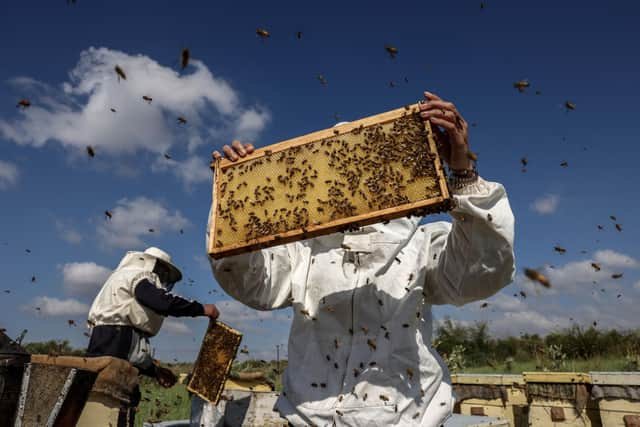
The committee intends to continue providing services to the community, adding: “We have not taken this decision lightly, but we have a duty of care to safeguard our members, visitors, contractors and especially the children and vulnerable adults that enjoy the facilities of our ‘B6 community garden’.
“Our community garden facility was established in 2024 and through dedication, hard work and the support of some of our members, several local tradespeople and national organisations, including NGS (National Garden Scheme), Asda Community Grants and the National Lottery, we have been able to create a fully-accessible garden that allows visitors of all ages and abilities to get involved with gardening, growing fruit and vegetables and developing social and life skills in an inclusive environment.
“We are a private allotments association and after a thorough consultation process with our members and our residential neighbours, we have dealt with this matter in accordance with our constitution.
“From the overwhelming positive feedback we have received from our members, we are confident the correct decision has been made and we will continue to act in their best interests.”