
Peak District at 75: The tragedy that helped create the National Park on Sheffield's doorstep

The personal tragedy that helped create the National Park on our doorstep
It’s been right there on our doorstep for generations, acknowledged as one of the most beautiful landscapes in Britain.
But the heartbreaking grief of a Sheffield widow had a little known role in motivating her to become one of the most important figures in the creation of the Peak District National Park, which celebrates its 75th anniversary this week.
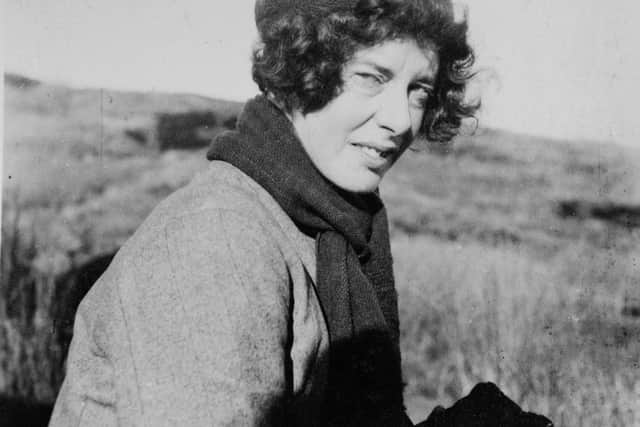

Ethel Haythornthwaite was left in the depths of despair in 1917, by the loss of her first husband, Henry Burrows Gallimore. He was killed in France at the age of 31, fighting in the First World War. She was aged just 22 when he died.
Ill with grief, her family encouraged her to take walks in the countryside and moorland around Sheffield - starting her lifelong love of the city’s green belt which led her to become one of the driving forces in the creation of the Peak District National Park in 1951.
In the years that followed she become a campaigner who fought to look after the countryside near the city, and prevent its development. Among her big achievements were raising money to buy part of the Longshaw Estate from the Duke of Rutland in 1927, given to the National Trust in 1931; and persuading a city benefactor to buy the Blacka Moor Estate, handing it over to the city of Sheffield in 1933.
She was invited to serve on the Hobhouse Committee by the new Labour government in 1945, and their report, published in 1947, led to the founding of the first four National Parks - including the Peak District.
There is now plaque remembering Ethel at the site of her family’s former home - Endcliffe Vale House. It is now demolished, but the site is now occupied by Sheffield University’s Endcliffe Student Village. Dame Fiona Reynolds, president of the Campaign for the Protection of Rural England’s Peak District and South Yorkshire Branch said Sheffield would not have a green belt without Ethel and her second husband, Gerald Haythornthwaite.
She added: “Similarly, the national park would not have happened without Ethel campaigning at national level and being part of the national lobby for national parks, and also Gerald’s map making and drawing the boundaries.”
With its foundations set by a group of pioneering ramblers including Ethel, some 20 years before the national parks were created, and the work of campaigners, the Peak District eventually paved the way for what would become a UK network of 15 national parks enjoyed today.
Peak District is thriving
Set just outside Sheffield’s western border the Peak District National Park is now home to around 38,000 residents, and attracting 13 million visitors a year – its proximity to countless towns and cities often finding it regarded as the most ‘accessible’ of the national parks in Britain.
Bradfield, which is part of Sheffield and part of the Peak District is regarded by many as being home to the city’s most beautiful beer garden, at the Old Horns pub.
It is also home a living landscape of ecological, historic and cultural significance.
The moorlands play a role in capturing carbon, preventing flooding and providing clean drinking water.
Its 3,000 farms feed the nation. The woodlands, wetlands and wildflower meadows provide vital habitats for nature. The historic buildings and landscapes tell the story of our nation from neolithic burial mounds, Roman invasion, Norman conquest and medieval farmsteads, to the mills, factories and cottages that gave rise to the birth of the industrial revolution.
And as well as Bradfield, it boasts beautiful villages including Castleton, Hathersage, and Bakewell.
Phil Mulligan, Chief Executive said: "The Peak District National Park has been here for the last 75 years and we intend to be here, going from strength to strength, for the next 75.
“This National Park is not just a great place to visit, its critical for national infrastructure, for national security and national health and wellbeing. Over the last 75 years hundreds of millions of people have experienced the awe and wonder of this special place whilst we have helped create nature rich habitats, restored moorlands, reduced flooding, provided clean drinking water and preserved important aspects of the cultural heritage of the nation.
“I’d like to thank all the staff, volunteers, farmers, land managers, business owners and local communities who have helped make all this happen. It's a happy birthday for all of us."
Great Peak District gems
Derwent Dam
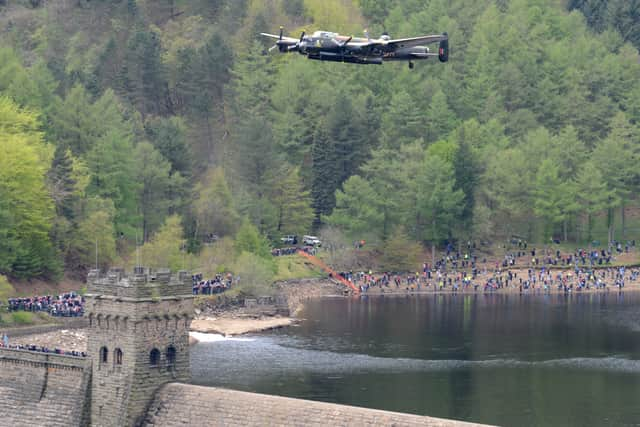
Derwent Dam, part of the sprawling Derwent Reservoir is famous as the location where the RAF’s Dambusters squadron, 617 Squadron, practised for their famous aid raids which broke two German dams during World War Two, using bombs designed to bounce on the surface of the water. Bikes can be hired nearby and there is a car park.
Eyam
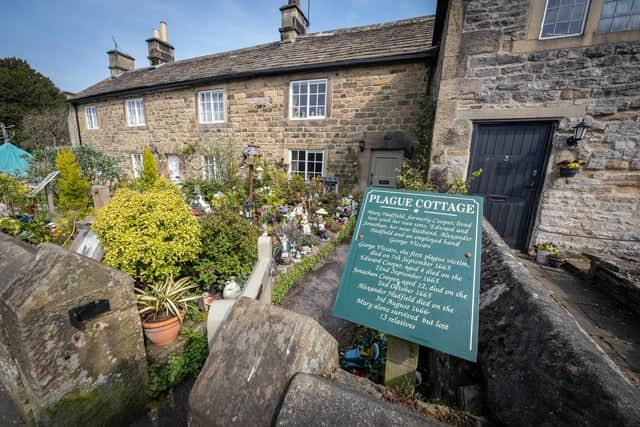
It is home to the famous ‘plague village of Eyam, where 42 villagers died of plague between September and December 1665. Believing it to be their duty to prevent the plague spreading to the nearby towns of Sheffield and Bakewell, the village puts itself into quarantine.
Castleton
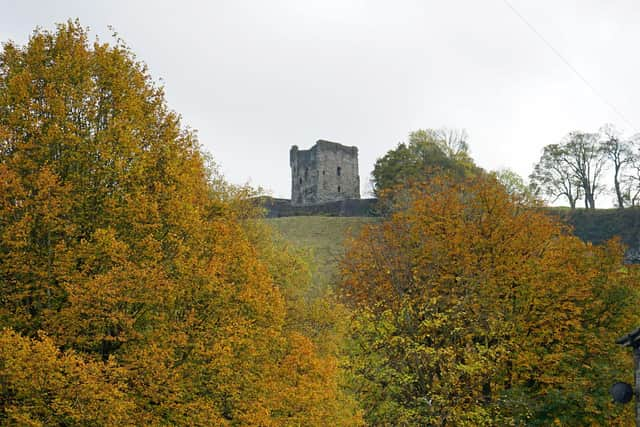
Home to the historic Peveril Castle, a Norman landmark, it also boasts the beautiful Mam Tor hill. It is also the site of three famous underground caverns. Treak Cliff Cavern and the Blue John Mine are open for the public to visit, as is the flooded Speedway Cavern, which is toured by underground boat trips. Castleton also boasts beautiful pubs and tea shops in the village.
Bakewell
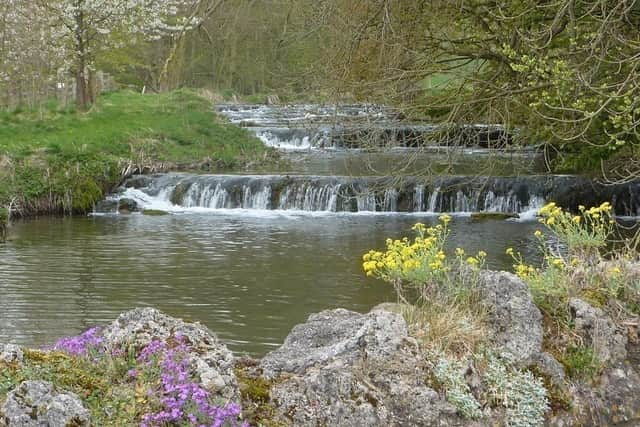
Famed as the home of the Bakewell Pudding, it is now a popular village among daytrippers who take advantage of its range of cafes and tea shops.
Longshaw estate
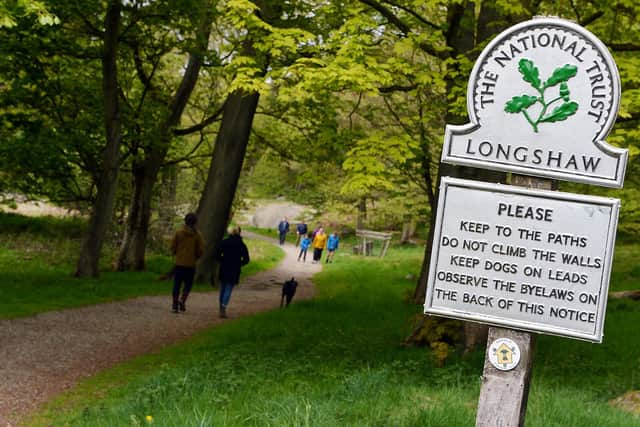
Saved from development after a campaign by Ethel Haythornthwaite, Longshaw estate now has a tea room, shop and a learning facility called the Moorland Discovery Centre, which is a joint venture between the National Trust and the Peak National Park.
Also staff and volunteers run many events throughout the year on the estate relating to wildlife and the estate itself