
Ughill Farm: Sheffield & Rotherham Wildlife Trust wins race to raise £1.2m for wildlife haven near Sheffield

"We have been overwhelmed by the support from our community."
A Sheffield farm is set to become a model of nature-friendly farming after a campaign raised more than £1.2m.
Sheffield & Rotherham Wildlife Trust plans to buy Ughill Farm, near low Bradfield, and show how ‘commercially-sound, sustainable farming can also enhance wildlife and natural resources’.
The trust secured the land with the support of the Esmée Fairbairn Foundation when it went up for sale last year. But it had to raise £1.2m by the end of November to repay the foundation and prevent the farm going back on the open market.

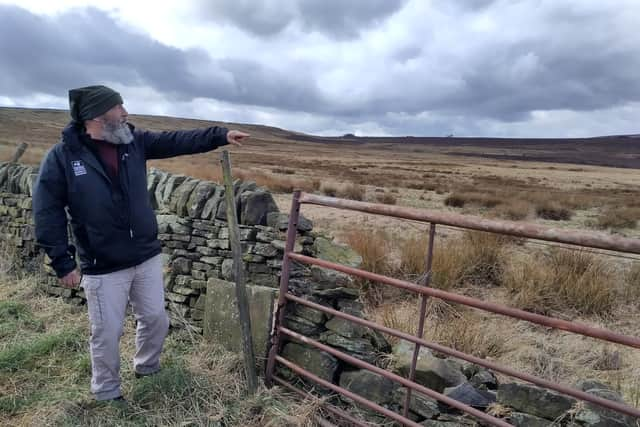
The 320-acre farm on the moors to the west of Sheffield is already an important breeding site for nationally-threatened wading birds including curlews, lapwing, golden plover. Elsewhere in the area, curlew habitat has declined as a result of more intensive agriculture, the trust says.
In total, 63 species of birds have been recorded at the site, which is also home to brown hares, badgers, stoats, weasel, butterflies and wildflowers.
The trust received 550 donations.
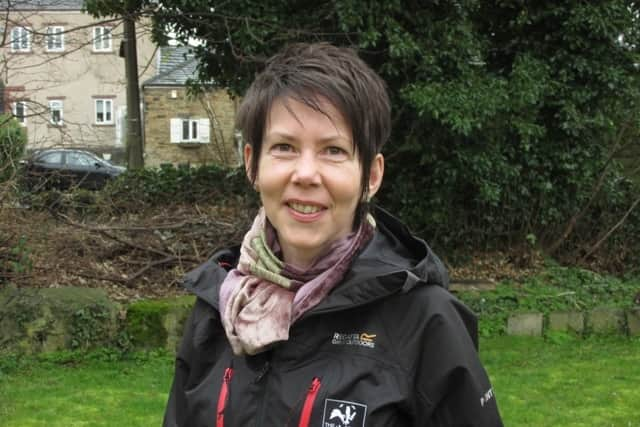
Chief executive Liz Ballard said they were overwhelmed by the support.
She added: “This is an incredible achievement for Sheffield & Rotherham Wildlife Trust. We have been overwhelmed by the support from our community.
"I would like to extend my thanks to everyone who has contributed to this project and offered their support. Taking ownership of this land gets us a step closer to achieving our aim of ensuring that 30 per cent of land and water is great for nature by 2030.”
Hundreds of individuals donated, typically between £25 and £100 the campaign website shows.
Larger sums included £500,000 from FCC Communities Foundation, £350,000 from Veolia Environmental Trust, £100,000 from Ecological Restoration Fund and £90,000 from The Banister Charitable Trust.
Martin Reed, BASIS environmental adviser, said the first job was to ‘stock proof’ the site to allow low density cattle and sheep grazing to start food production and support biodiversity.