
Ughill Farm Sheffield: Race against time to save 'special' wildlife haven home to curlews and golden plovers

Sheffield & Rotherham Wildlife Trust must raise £1.2m by the end of November to secure the land and protect the wildlife living there
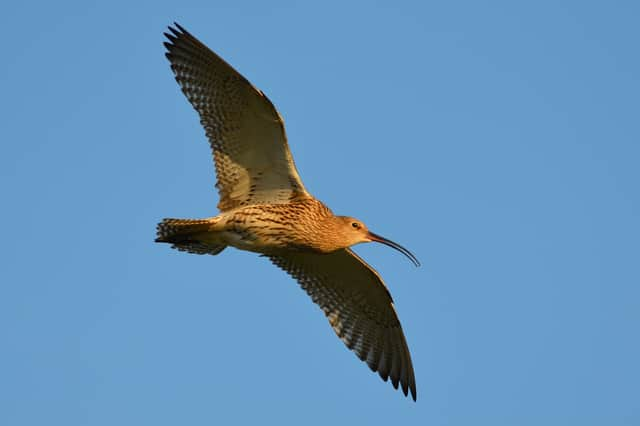

Time is running out to save a 'special' wildlife haven on Sheffield's western fringes, which provides a vital home for curlews and other birds.
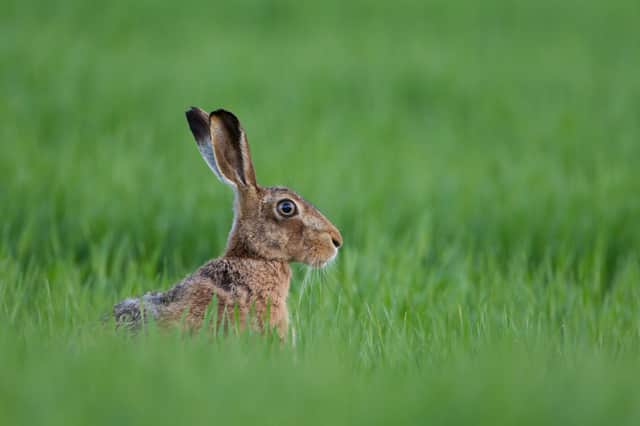
Ughill Farm is one of the few surviving areas of 'marginal' farmland where nature and agriculture live in harmony. As well as the curlews, lapwings, golden plovers and brown hares are all flourishing there, among an abundance of flora and fauna.
But Sheffield & Rotherham Wildlife Trust fears that delicate balance could be thrown out of kilter and the land destroyed for good if it is used for more intensive farming, with overgrazing and damaging fertiliser and pesticides introduced to squeeze maximum profit out of the 132-hectare plot.
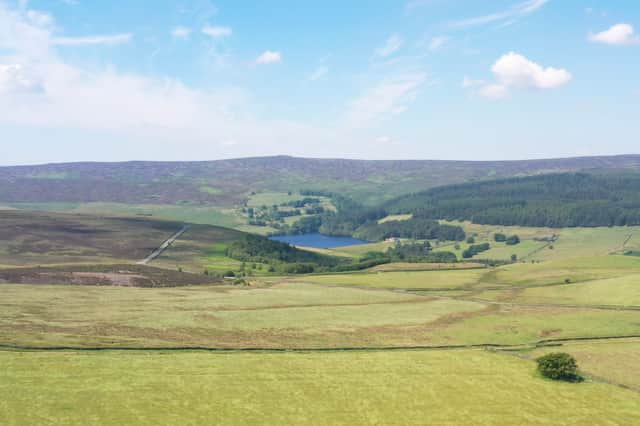
The trust secured the land, with the support of the Esmée Fairbairn Foundation, when it went up for sale last year. But it must now raise £1.2 million by the end of November to repay the foundation and prevent the farm going back on the open market.
Why is Ughill Farm so important for wildlife in Sheffield?
Liz Ballard, the trust's chief executive, told The Star: "It's a fantastic marginal upland farm, which means it's right on the edge of the really important moorlands of the Peak District, and part of it falls within the Eastern Moors Site of Special Scientific Interest (SSSI).
"It's a special site for wildlife which is why we really want to look after it. We want to use the farm as a test and work with farmers to see how we can manage a farm in such a way that food production is happening in harmony with wildlife, in an economically sustainable way.
"In other parts of the country, the curlew is rapidly disappearing from the landscape, so we're really lucky to have a pretty good curlew population in the west of Sheffield. It's important to look after that population at places like Ughill Farm."
The plan is to have a relatively small number of cattle, of a breed well-suited to thrive in the harsher conditions, grazing on the land, which will provide all the food they need.
But that's dependent on hitting the trust's fundraising target, and, although Ms Ballard says the response so far has been amazing, she adds: "We're up against the clock."
To donate, visit: www.wildsheffield.com/ughill.