


Football is today a global sport, played and watched by billions of people, but the beautiful game as we know it was forged in Sheffield.
The Steel City boasts the world's oldest club, Sheffield FC, and its oldest ground, Hallam FC's Sandygate stadium.
Without Sheffield, football as we know it probably wouldn't exist. It was the set of laws formed in the city which provided the foundation on which modern football was built.
The Sheffield Rules of 1858, approved in a meeting at the Adelphi Hotel, long since demolished to make way for the Crucible Theatre, provided the blueprints for the game enjoyed the world over today.
They marked the move towards the dribbling, passing game and away from the rougher, literally more hands on version widely played up until that point.
Under those first rules, handling was forbidden, though 'pushing' or 'hitting' the ball with your hands was still permitted, as was a 'fair catch', where the ball is caught from another player without it having touched the ground. 'Hacking', tripping or holding opposition players was also banned, though 'pushing' or 'charging' was allowed.
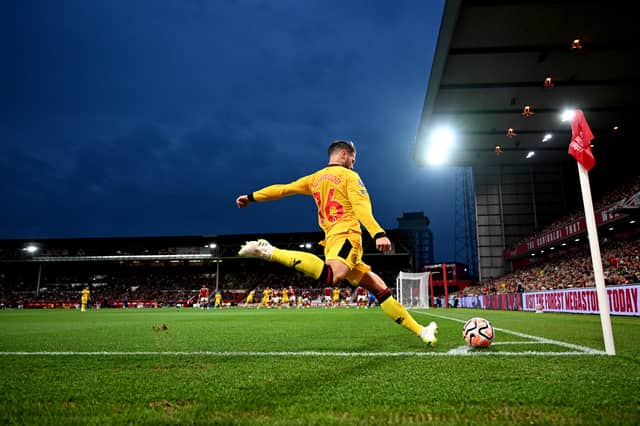
Free kicks, throw-ins and goal kicks were all included, with later additions including the introduction of referees, linespeople and corners.
It was not until 1863 that the London-based Football Association was formed and published its own rules, with the rival codes existing together and influencing each other until the FA laws were eventually adopted by the Sheffield FA.
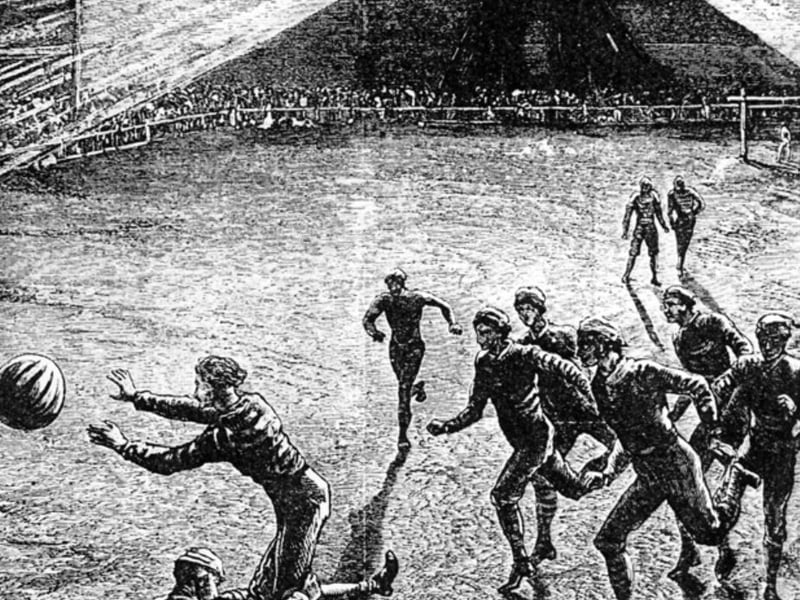
Sheffield would continue to influence the game with more firsts, including the first game played under floodlights, which took place at Bramall Lane.
Despite this, Sheffield often doesn't get the credit it deserves, which is why the Sheffield Home of Football charity was set up to change that and create a museum celebrating the city's sporting heritage.
John Clarke, the charity's secretary, urged people to show their support by visiting its website at sheffieldhomeoffootball.org, where you can take a look at the virtual museum being created, find out about the many events taking place and make a donation to the cause.
Below are just some of the many key aspects of the modern game for which football is forever indebted to Sheffield.
5. Assistant referee/linesperson
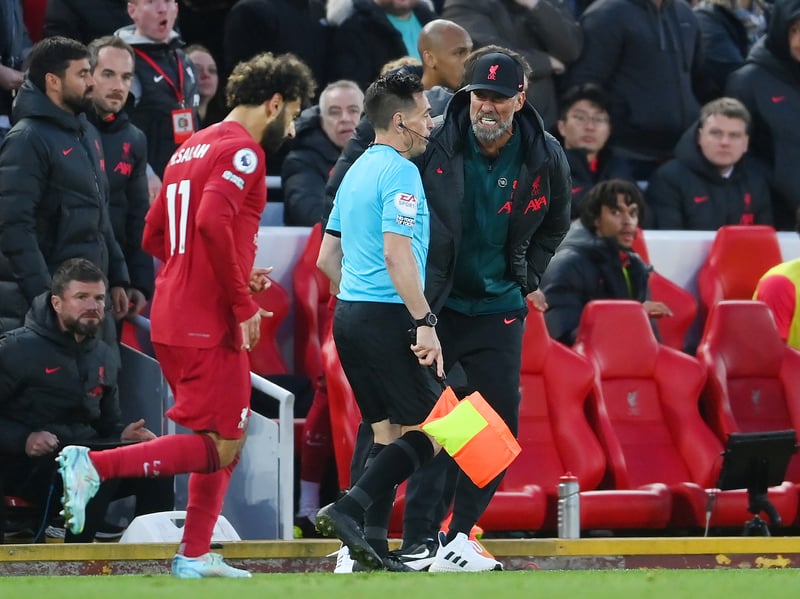
The assistant referee, or linesperson as they used to be known, is yet another of Sheffield's contributions to football. They were first known as 'umpires', with one from each club appointed. When the off-field referee moved onto the pitch, the umpires became linesmen. The umpire's flag, as it was then, was first suggested at a Sheffield FA meeting in 1874 by Charles Clegg. Photo by Laurence Griffiths/Getty Images | Getty Images
6. Floodlights
The first football match to be played under floodlights took place at Bramall Lane in Sheffield on October 14, 1878. It involved two representative teams, the Blues and the Reds, made up of leading players of the day, with the Blues winning 2-0. This picture is believed to show that match. Image: Picture Sheffield | Picture Sheffield
7. Fixed crossbar
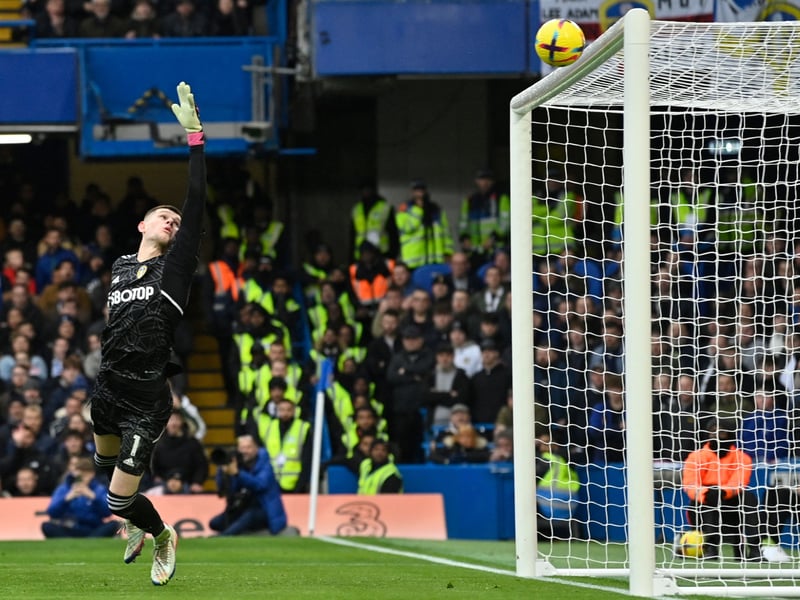
Sheffield was the first to introduce a fixed crossbar instead of tape to mark the top of the goal, something the FA only adopted in 1882. Photo by JUSTIN TALLIS/AFP via Getty Images | AFP via Getty Images
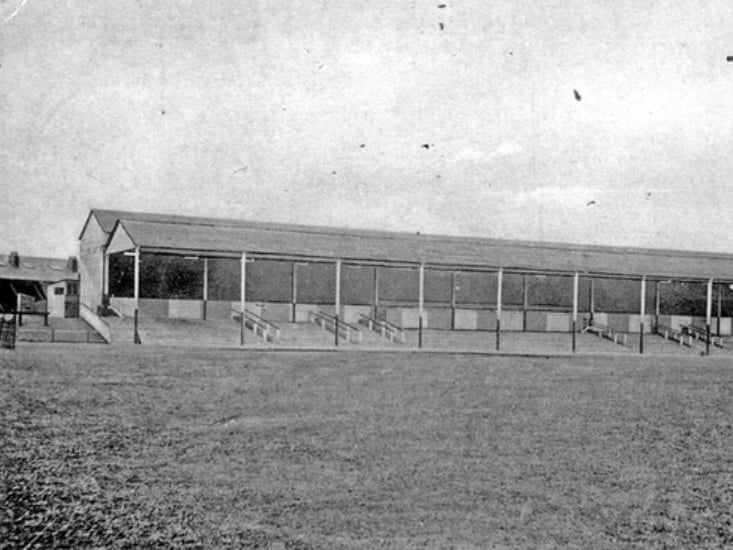
8. Professional footballers
Long before the days of multi-million pound contracts, when the game was still amateur, Sheffield paved the way for the first footballers to be paid. The first professional footballer is believed to the Scottish player James 'Jimmy' Lang, who was invited to play for Sheffield Wednesday in 1876. He was not technically paid by the club but was put on the payroll of a company owned by one of the club's directors, without any duties, meaning he was free to play football whenever required. This is one of the earliest photos of Sheffield Wednesday's Hillsborough ground, taken in around 1904. The stadium was not built until 1899, long after Lang played for the club. Photo: Picture Sheffield/W. H. S. and S., Sheffield. Royal York Series | Picture Sheffield/W. H. S. and S., Sheffield. Royal York Series