
Sheffield families urged to be vigilant over illegally imported pets

Families looking for new pet are being warned to stay vigilant after Sheffield City Council received nearly 70 reports of illegally imported animals.
The council’s revelation that it had received 69 reports of illegally imported pets over the last five years has pushed dog adoption and sale website Puppies.co.uk to issue a new appeal.
The data shows a stark contrast to other metropolitan councils, with Leeds and Manchester councils logging only 14 in the same time, while Liverpool reported only two.
Of the 69 cases in Sheffield, there were three confirmed incidents of dogs being brought into the country unlawfully.
Puppies.co.uk have said that the figures ‘likely only scratch the surface of a much wider problem’, as illegally imported pets lack health testing and can lead to the spread of infectious diseases.
They are calling on potential pet buyers to be vigilant, warning of increasingly deceptive scams where sellers rent out Airbnbs to create the illusion of loved animals that grew up in a caring home, when the reality is often that they are ripped from their mothers at a young age and kept in squalid conditions.
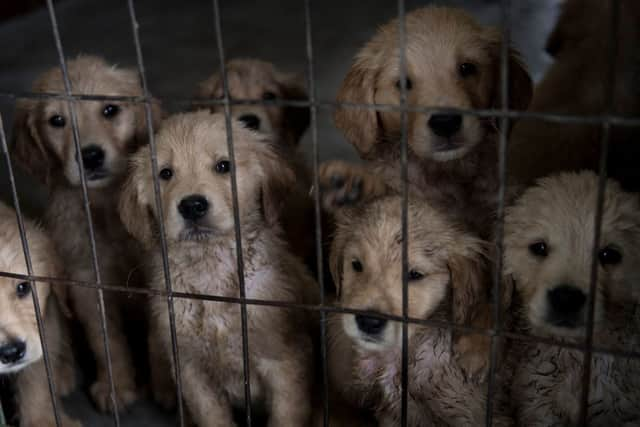

A spokesperson for the company said: “We know most people just want to give a dog a loving home, but it’s really easy to be misled. Before you even visit a seller, take five minutes to do some basic checks. Google their name, copy and paste the phone number into a search engine, and look at their other adverts. If they’re advertising lots of litters from different breeds, they should usually be licensed and listed with their local council.
“It’s also wise to check the puppy’s age. They must be at least eight weeks old before they can be legally sold. If someone’s selling a six-week-old pup with a pet passport, it’s a big red flag. It could mean they’ve been brought in illegally, without the right vaccinations.
“When you visit, never agree to meet in a car park, a service station, or an empty shop. It is the law to be able to see the pup with its mum in a home environment. If the seller makes excuses like ‘mum’s asleep’ or ‘at the vet’, you should walk away. It’s also crucial to be wary of ‘fake mums’ put there just to give the impression of a family setting, but who clearly aren’t bonded with the litter.
“We’ve even seen pups labelled as ‘rescues’ but sold for huge price tags, with no rescue process or background checks in place. If something feels off, trust your gut, and never let anyone rush you into handing over cash. A healthy pup will never need to be sold in a hurry.
“At the end of the day, a bargain pup may seem like a great deal. But sadly, many come with hidden health issues that can lead to heartbreak and expensive vet bills down the line. Buying responsibly helps protect you and your new pet, and makes it harder for unethical sellers to continue.”
While Scotland requires dog rescues to be licensed, there are no equivalent laws in England, Wales, or Northern Ireland, though Puppies.co.uk are calling for a change.
“While rescuing an animal is noble, it isn’t always the right fit for every family, especially those with young children or limited time to rehabilitate a potentially traumatised dog,” the spokesperson added.
“Responsible, traceable breeding ensures that families can still give a dog a loving home without compromising safety or welfare.
“We continue to advocate for strict standards around both breeding and rescue, and believe that ethical home-matching, with full transparency around a pet’s health, temperament and history, must be the baseline, not the exception.
“But the issue doesn’t end there. There are a number of problems within the UK’s breeder licensing system. Although having a licence can be a helpful sign that a breeder is doing things properly, it’s not a guarantee.
“The system behind breeder licensing just isn’t consistent or strong enough. Some councils don’t have the time, funding or training to carry out proper checks, while others simply don’t have the right knowledge to assess animal welfare properly.
“The problem is that standards vary from council to council. One breeder may be inspected thoroughly and regularly, while another barely gets checked at all, even though both are technically licensed.
“Not to mention, some councils don’t share inspection results or ratings publicly, so even if a breeder has a licence, buyers have no way of knowing how well they’re really doing. That makes it really hard for people to make informed, safe choices.
“We’re not asking for more licences. What we need is proper licensing reform. That means a national system with clear rules, high and consistent standards for raising a litter responsibly, a new regulatory body to ease the burden off councils, and more public awareness of what a licence means.”