
Campaigners hopeful for Local Plan re-think to save Sheffield green belt from housing

It is a year since green belt housing plans were unveiled - this is what could happen next
Protesters are hoping for a re-think over proposals for 3,500 houses on green belt land in Sheffield.
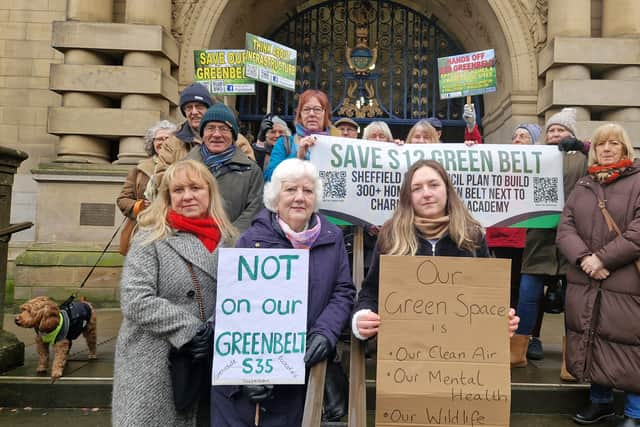

They hope the city’s controversial Local Plan will go back to the drawing board after the local elections.
It is a year since Sheffield City Council unveiled a shock blueprint for development called the Local Plan.
It contains a government target of 38,000 new homes, and 654 acres for business, by 2039.
Sheffield City Council says 89 per cent - more than 33,000 hones - would be on brownfield sites.
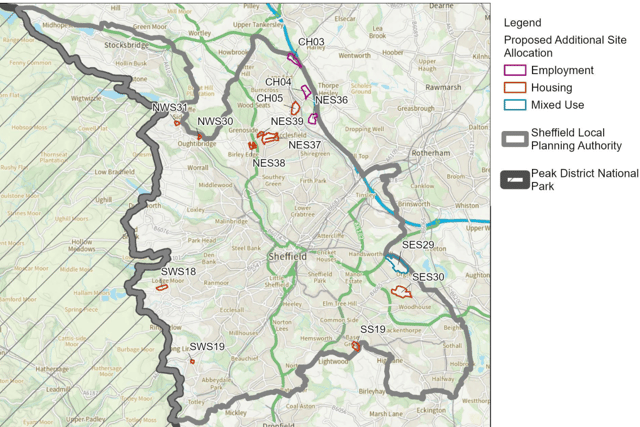
But it is not enough. And this shortfall has led to proposals for 3,529 houses and 130 acres of employment land - as well as three schools and two graveyards - on 14 sites in green belt.
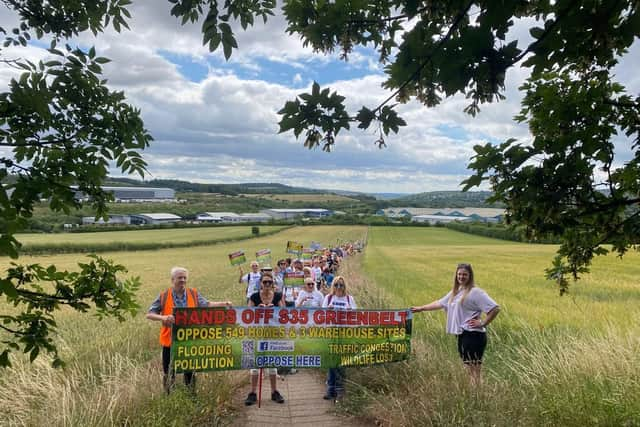
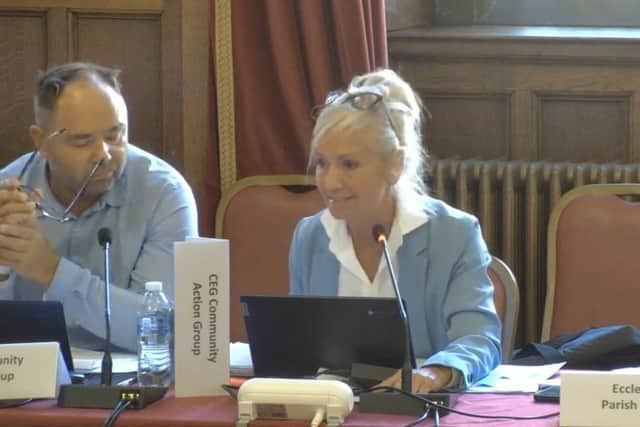
Cheryl Hague, of the Save S13 Green Belt campaign, said: “The big thing is the elections. That is the way people can show how they feel about the green belt.
“We think the Local Plan should go back to the drawing board. There is still a lot to play for.
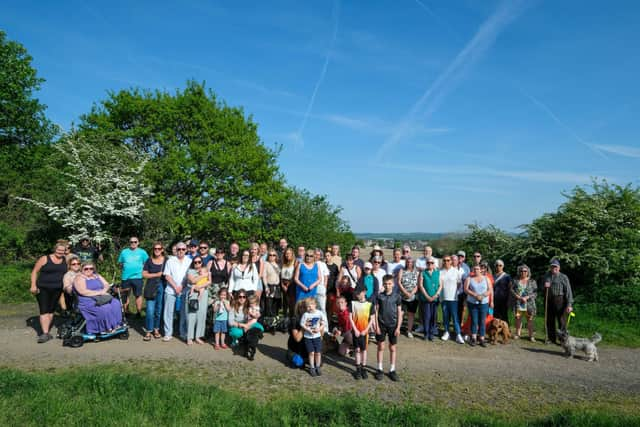
“Inspectors haven’t listened to us at all. I am thoroughly disappointed. But the fight is not over.”
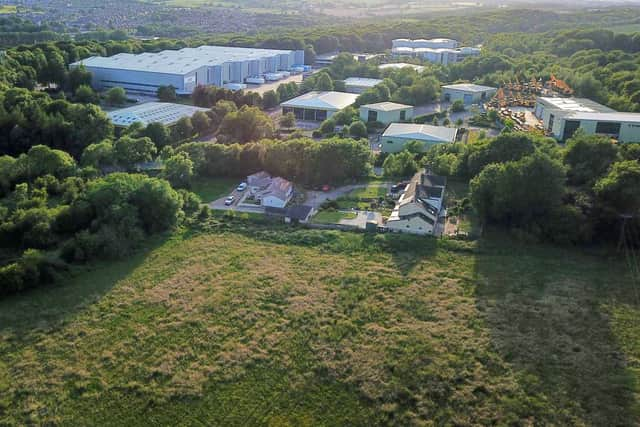
If given the go-ahead, it would be the biggest loss of green belt ever in Sheffield, some 3.6 per cent - 809 acres - of the total 22,390 acres.
But it is not just the loss of protected land, it is the location - with two postcodes particularly hard hit.
In S13, Handsworth is earmarked for 1,638 houses on two sites, 49 acres for business, a secondary school and graveyard.
In S35, Grenoside could see 945 homes across three sites, a secondary school, special needs school and graveyard.

Chapeltown and Ecclesfield, also in S35, would bear the brunt of development for employment land, with three proposed sites - as well as 549 homes.
In contrast, the “wealthy west” of the city will be virtually untouched, with Dore set to get just 82 homes and Lodge Moor 258.
The announcement a year ago mobilised thousands of people who feared the loss of much-loved green space and wildlife, and strain on services and clogged roads.
The protest movement has evolved into a ‘supergroup’, the Green Belt Alliance, with expertise, enough funds to hire a barrister, a petition, and celebrity backing from Sean Bean.

The Hollywood superstar is appalled at the potential loss of fields he used to play in as a lad.
Following public consultations in autumn - which drew more than 3,650 overwhelmingly negative comments - government inspectors said the plan was ‘sound’ apart from minor amendments.
They include 82 fewer homes in Grenoside and a reduction of 41 houses in Handsworth. Public consultation on these modifications closes on May 5.
Sheffield City Council said the inspectors would review submissions before a final report is delivered to councillors. It will be considered by the strategy and resources policy committee before a final decision at a full council meeting.
Adoption of the Local Plan is expected by the end of autumn.
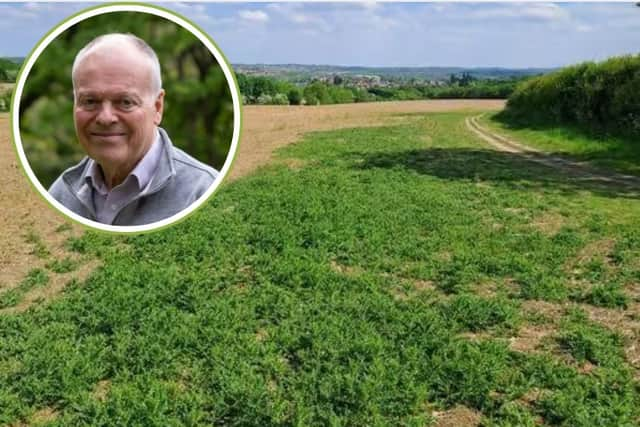
Clive Betts, Labour MP for Sheffield South East, which includes Handsworth, has been an outspoken opponent.
He said the proposals were a “monumental disservice to the communities who will be burdened with yet further development, with no significant improvement to the surrounding infrastructure.”
He added: “At the same time, affluent parts of the city have little to no encroachment on their green belt where many people want to live, but cannot afford to with no increase in housing supply there.
“Let me be blunt. This plan is wrong, it is unfair, and the council must oppose it.”
Once - if - the Local Plan is in place, it is likely proposals from housebuilders will come forward quite quickly. Green belt is easy to develop compared to brownfield, which may be contaminated and still have buildings and foundations.
But it will be years before the first brick is laid and campaigners will get more chances to object.
Last year, Coun Douglas Johnson set out the steps.
He said: “For these big sites, there should be a ‘masterplanning’ stage where it will be important to have community involvement.
“Ultimately, a developer will produce a planning application. Only when that happens will we see exactly what is proposed for the sites.
“This has to include widespread public consultation and another chance for people to object to the specific plans.”