
Atlantic salmon spotted breeding in Sheffield's River Don for the first time in more than 200 years

Atlantic salmon are breeding again in Sheffield’s River Don for the first time in more than 200 years.
The Don Catchment Rivers Trust (DCRT) has confirmed the discovery of a wild-born Atlantic salmon in the Yorkshire river for the first time since the 18th century.
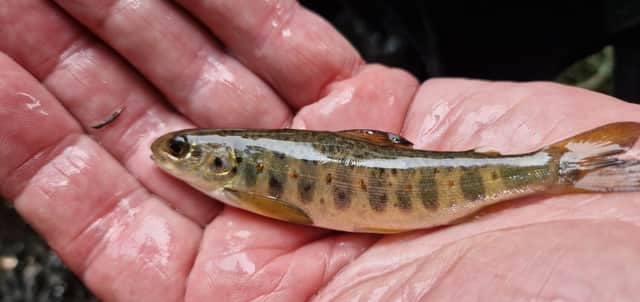

The anadromous fish - meaning they live in both freshwater and saltwater - were wiped out by pollution and manmade barriers in the 18th and 19th centuries.
But now, the young fish, known as a parr, have been found during an electrofishing survey in Sheffield this month by DCRT staff and volunteers, which it is called “one of the most significant milestones for the river’s recovery in living memory.”
“For almost my entire life I had to witness the misery of this once prolific salmon fishery,” said DRCT trustee and co-founder Chris Firth MBE.
“Its recovery is beyond my wildest expectation.
“The discovery of this salmon parr is the culmination of my life's work.”
“This is the culmination of my life's work”
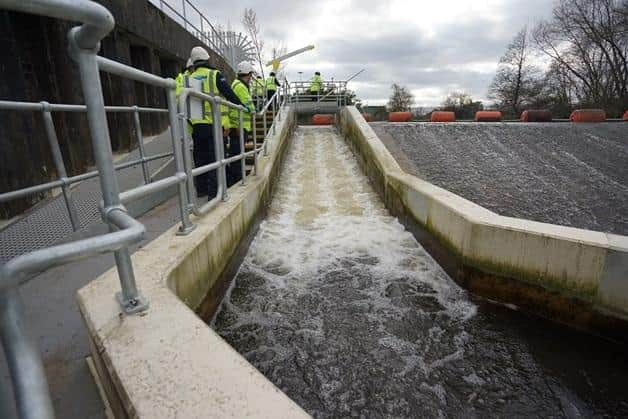
For over 25 years, fish passes have been installed across the Don to reconnect the river and allow salmon to return. Although adult salmon have been spotted making their way upstream in recent years, no one knew for sure if they were managing to spawn - until now.
Salmon need clean, well-oxygenated water and just the right kind of gravel to lay their eggs. The appearance of this young fish shows that the river is now good enough for salmon to complete their full life cycle, which hasn’t happened in generations.
The journey to this point began over 35 years ago. Mr Firth says he witnessed the first signs of recovery when salmon returned to Doncaster’s centre after water quality started improving.
The trust says the River Don used to be ‘ecologically dead’ and filled with pollution or blocked by concrete.
Effort such as the Crimpsall rock ramp in Doncaster and the Masbrough fish pass in Rotherham joined up a whole chain of fish passes built through partnership between charities, government and private organisations.
But there’s still more to do. If young salmon born in the Don are to return in future years to spawn, they must be able to migrate safely downstream to the sea.
Juvenile salmon — called smolts — struggle to pass over shallow-topped weirs, making them easy targets for predators like herons and otters. One key next step is to cut deeper ‘notches’ into weirs, creating safer routes to the sea.
Rivers also need places where fish can rest and hide. At Salmon Pastures in Sheffield, DCRT has added boulders and large woody debris to protect young fish from predators. These features don’t just help salmon but they support all river wildlife.
The Trust is now turning its attention upstream. The next major barriers are two weirs at Oughtibridge. Removing or modifying them will be vital to open up more historic spawning grounds and help secure the long-term recovery of salmon in the catchment.
DCRT will continue surveying the Don to find out whether this is an isolated event — or the beginning of something extraordinary.
A spokesperson from the Great Yorkshire Rivers Partnership said: "This is incredible news and is testament to the many years of hard work with partners to address the barriers on this catchment. It shows that our ambitious plan to address all artificial barriers by 2043 to allow free passage for fish, such as the iconic salmon, is going to have a huge benefit to the rivers of Yorkshire.”
The team will be demonstrating the electrofishing technique that led to the discovery at the Wardsend Bioblitz on August 27, 2025, at a free public event with opportunities to learn more and see river life up close.
Learn more about DCRT or get involved in upcoming habitat projects and volunteer events by visiting www.dcrt.org.uk.