
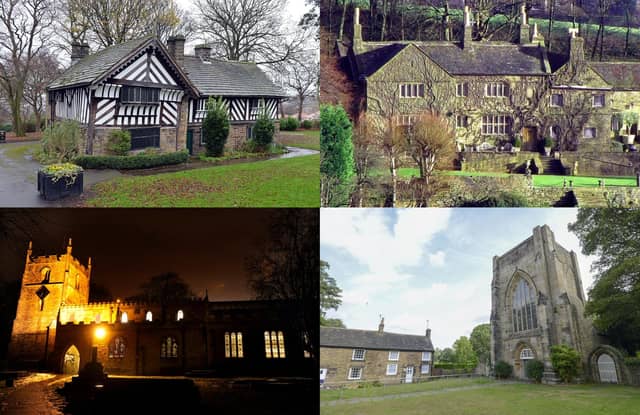

But some buildings in the city have stood the test of time, dating back hundreds of years, and have fascinating stories to tell. We’ve put together this photo gallery showing 10 of the city’s most historic buildings.
It’s hard to state categorically which buildings are Sheffield’s oldest as records get lost and many buildings have been dramatically altered over time, making it tricky to say how much of the original structure remains. It’s generally accepted that Sheffield Cathedral is the city’s oldest building which remains intact and in daily use, with the bulk of what is there today dating back to 1430 and other parts being significantly older.
The other buildings on our list are certainly among the oldest in the city. They include a city centre pub which is the city’s oldest domestic building, dating back to 1475, and a timber-framed house built during the reign of Mary Tudor which today looks down over the city centre from one of Sheffield’s most popular parks.
Below are 10 of Sheffield’s oldest buildings, in no particular order.
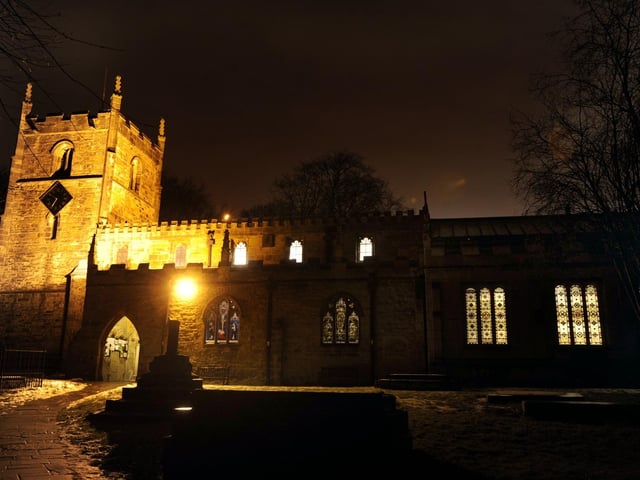
9. St James Church, Norton
St James Church, in Norton, Sheffield, is known to date back to around 1180, though a Saxon church may have stood on the site before that. According to Historic England, parts of the church date back to the 11th, 13th and 15th centuries. The church was restored in 1710 and again in the 19th century. Photo: Steve Ellis
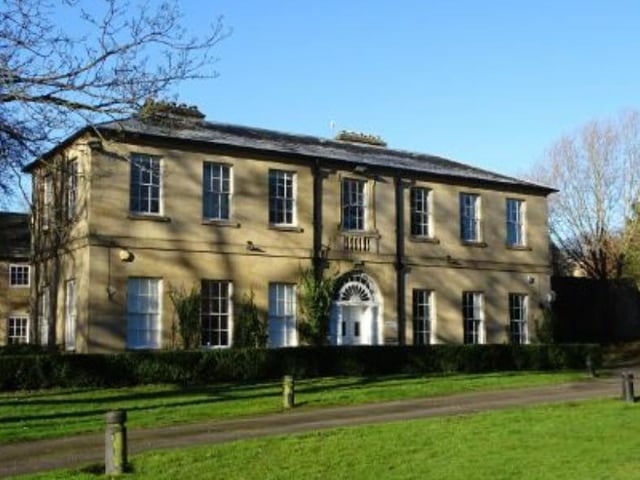
10. Broom Hall
Broom Hall, on Broomhall Road, Sheffield, is a Grade II*-listed building, which was built as a house but is now used as offices. According to Historic England, the earliest parts date from around 1500, with other parts built in the early 17th and late 18th centuries, with late 19th century alterations. It was restored in 1988. Built for the de Wickersley family, it was later home to the Jessop family and between 1973 and 1990 was the home and workshop of the acclaimed cutlery designer David Mellor. In 1791, when the reverend James Wilkinson owned it, the house was attacked and set on fire by a mob rioting against the enclosure of land act. Photo: Picture Sheffield/Vin Malone
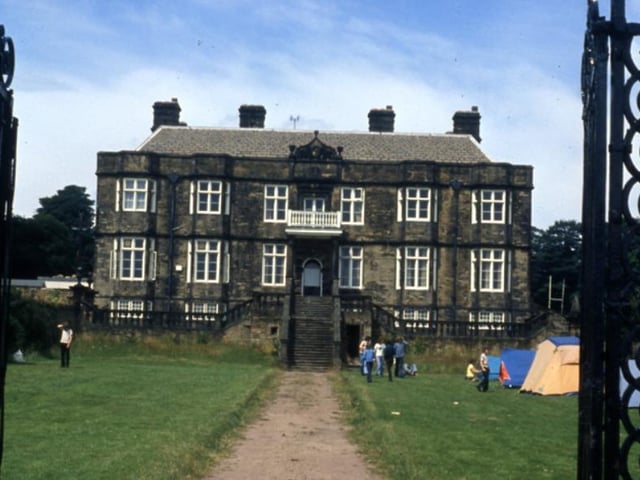
11. Beauchief Hall
Beauchief Hall dates back to 1671 but was remodelled in 1836 and restored in 1989. The three-storey stone building was built by Edward Pegge as a country house and the Grade II*-listed property is today used as offices, according to Historic England. Photo: Picture Sheffield/David Cathels