
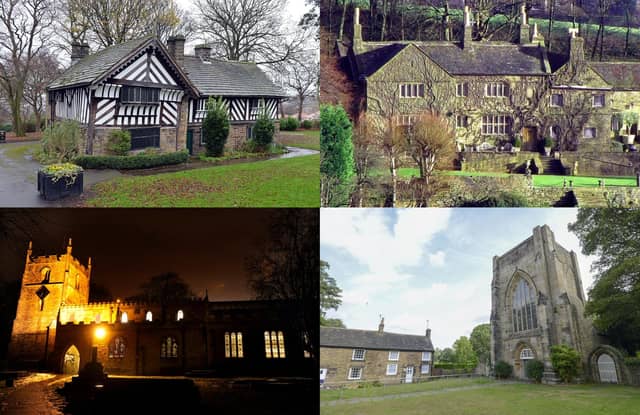

But some buildings in the city have stood the test of time, dating back hundreds of years, and have fascinating stories to tell. We’ve put together this photo gallery showing 10 of the city’s most historic buildings.
It’s hard to state categorically which buildings are Sheffield’s oldest as records get lost and many buildings have been dramatically altered over time, making it tricky to say how much of the original structure remains. It’s generally accepted that Sheffield Cathedral is the city’s oldest building which remains intact and in daily use, with the bulk of what is there today dating back to 1430 and other parts being significantly older.
The other buildings on our list are certainly among the oldest in the city. They include a city centre pub which is the city’s oldest domestic building, dating back to 1475, and a timber-framed house built during the reign of Mary Tudor which today looks down over the city centre from one of Sheffield’s most popular parks.
Below are 10 of Sheffield’s oldest buildings, in no particular order.
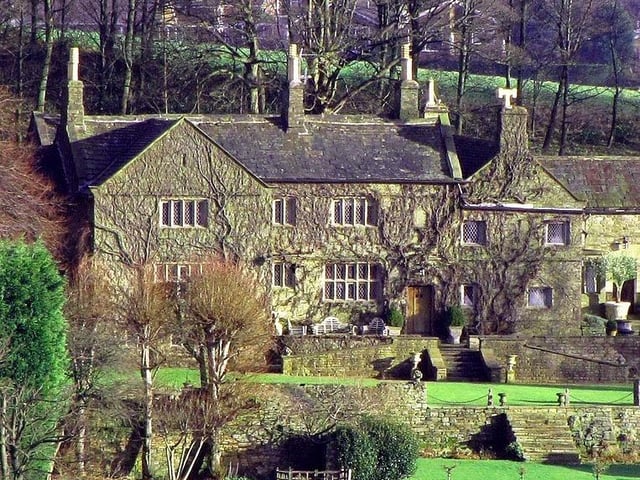
5. Fulwood Hall
Fulwood Hall, on Harrison Lane in Sheffield's Mayfield Valley, dates back to 1620 in its current form, though Historic England states that it may incorporate parts of a 16th century building, and a hall is believed to have existed on the site in the late 15th century. It was home for many years to the Fox family until they were forced to give it up in 1707 after George Fox squandered their wealth with his extravagant lifestyle. It then passed into the hands of a John Fox, who is not believed to have been connected with the previous Fox family, and in the early 19th century was acquired by the Greaves family. In 1942, the hall was reportedly purchased by Morgan Fairest, who owned the machinery manufacturing firm Morgan Fairest Ltd on Carlisle Street. Photo: Vin Malone
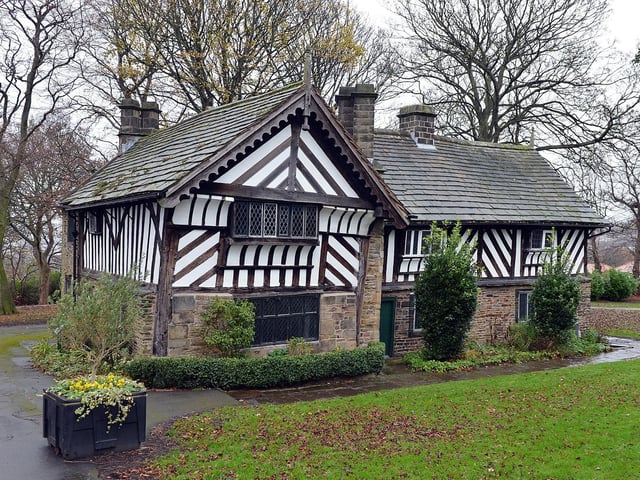
6. Bishops' House
Bishops' House in Sheffield's Meersbrook Park was originally built as a yeoman's house in 1554, during the reign of Mary Tudor. It is believed to be the last surviving building from that time of Norton Lees, which was then a tiny village in the Derbyshire countryside, with Sheffield a small town some two miles away. The estate containing Bishops' House was bought in 1884 by Sheffield Corporation and became Meersbrook Park. The house was occupied until 1974, when it was restored and opened as a museum. Despite the name, no bishops are believed to have ever lived in the house. Photo: Brian Eyre
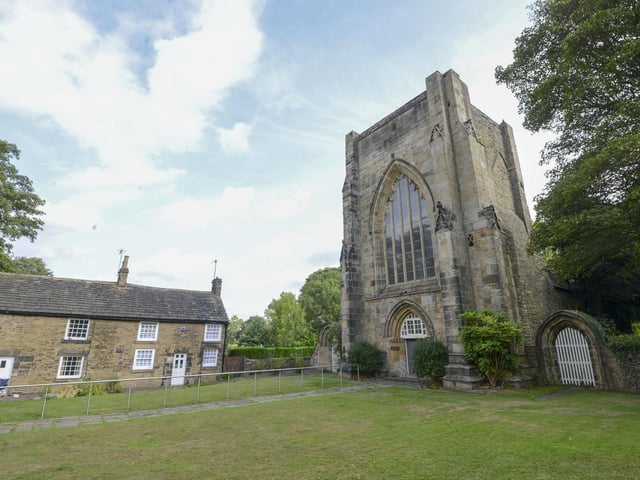
7. Beauchief Abbey
Beauchief Abbey was founded in 1176 and became an important regional church involved in farming, coal mining, tanning and lead smelting. The dissolution of the monasteries by Henry VIII in 1536 saw the roof stripped from the building and the windows broken, and it was left to decay for many years. When Beauchief Hall was built further up the hill in 1671, the old Abbey tower was restored and a chapel was added, which remains in place today. The Abbey and grounds were given to the people of Sheffield in 1932. Photo: Scott Merrylees
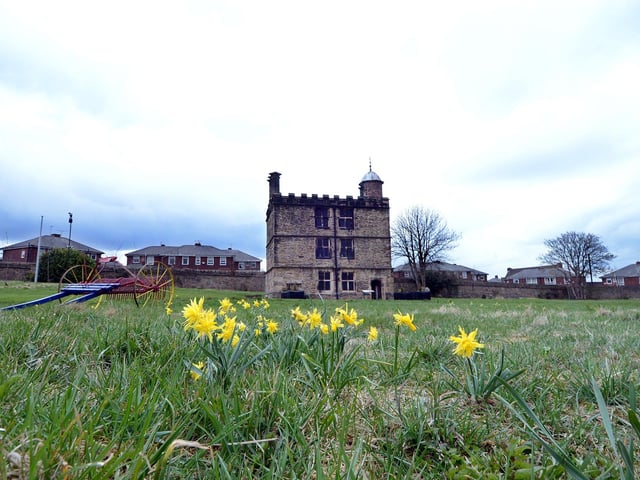
8. Turret House at Manor Lodge
Sheffield's Manor Lodge was once a grand Tudor manor house, where Mary Queen of Scots famously spent much of her time in captivity. Sadly, little remains of the manor house today but the Turret House, built in 1574, remains intact. The site is today a popular visitor attraction, which holds regular events, including historical reenactments. Photo: Steve Taylor