
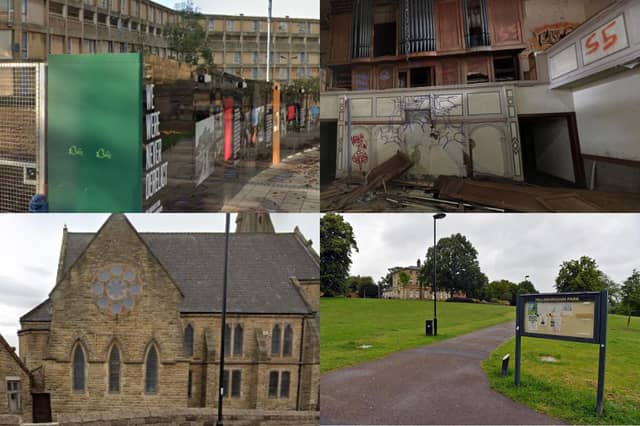

The register is the yearly health-check of England’s most valued historic places and shows those most at risk of being lost forever.
There are a total of 23 places in Sheffield – including parks, conservation areas and buildings – that have made the list this year.
Over the last year, 17 historic buildings sites in Yorkshire have been removed from the register. Many have been saved thanks to the hard work and dedication of local communities and owners, who have come together with public funders to rescue places despite the challenges wrought by the Covid-19 pandemic over the past 18 months.
Over the past year Historic England has awarded £1.8 million in grants to historic places in Yorkshire, more than £800,000 of which came from the Government’s Culture Recovery Fund.
None of the places on the list in Sheffield have yet been removed, although some have been bought by developers and are currently being worked on.
Trevor Mitchell, Regional Director for the North East and Yorkshire at Historic England said: “Our heritage is an anchor for us all in testing times. It provides beautiful places that make us feel good. This year’s register shows that looking after our historic places can contribute to the country’s economic and social recovery as well as bring communities together to enjoy their surroundings.
“The 17 sites saved this year in Yorkshire show what’s possible with strong partnerships investing together to secure public benefits. Agencies such as Natural England, the National Lottery Heritage Fund and Historic England recognise the importance that historic places have for their local communities.
“Whether it’s an overgrown pleasure ground, an abandoned anti-aircraft site, or the forgotten cradle of Leeds’ trading power, it’s clear that restoring our heritage improves people’s lives.”
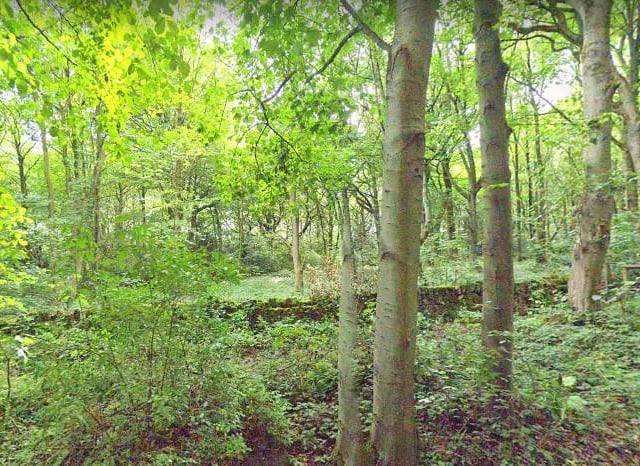
17. Handlands Romano-British settlement, 460m south west of Woodseats Farm, Ecclesfield
Historic England says the condition of this scheduled monument is 'generally satisfactory but with significant localised problems' caused by 'extensive' visitor erosion. Photo: Google Maps
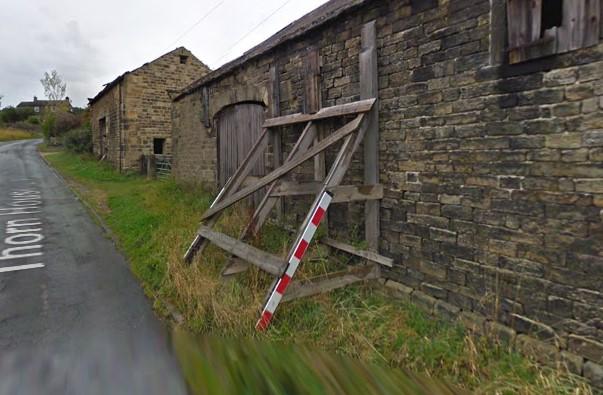
18. Old Hall Farmhouse, Brightholmlee Lane, Bradfield
C15 yeoman house with cruck frame dating to 1484. The original timber framed dwelling was encased in local gritstone in C17 and a two-storey stone extension was added to the west of the original house. In late-C17 a stone parlour block was added to the east. The farmhouse is in very poor condition but has received Planning Permission and Listed Building Consent for a scheme of repair and conversion. Photo: Google Maps
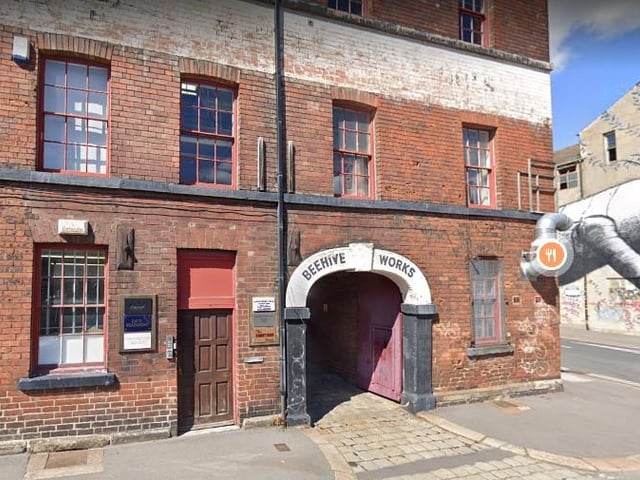
19. Beehive Works, Milton Street
Purpose-built cutlery works, constructed in phases between the late 1850s, or early 1860s, and c1890. Much of the site has been repaired and is now in use as offices, workshops and other commercial operations. The four-storey workshop range to the rear of the second courtyard is only partially occupied and its vacant upper floors are in poor condition having suffered structural movement and water ingress over a prolonged period of time. A Project Development Grant for Heritage at Risk was awarded by Historic England in 2018 and work is largely complete. Photo: Google Maps
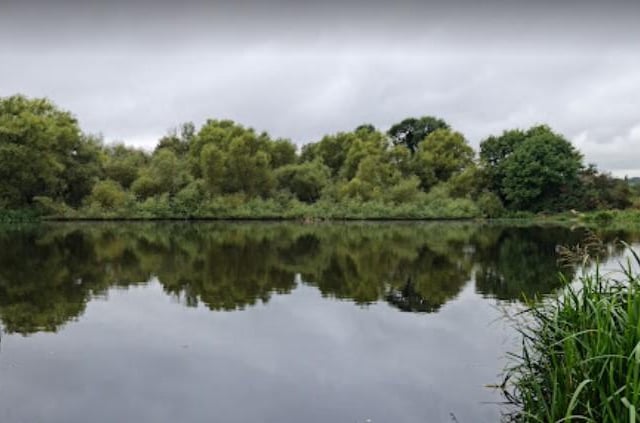
20. Willow Garth moated site and fishpond, Ecclesfield
This scheduled monument is 'generally satisfactory but with significant localised problems' and is declining due to 'scrub/tree growth'. Photo: Google Maps