
Winter Fuel Payment 2025: how geography and the North-South divide affect heating allowance cash across the UK

This article contains affiliate links. We may earn a small commission on items purchased through this article, but that does not affect our editorial judgement.
From seaside winds to city flats, some homes feel the Winter Fuel Payment more than others 💡
- The Winter Fuel Payment offers vital help for older households in winter
- But the impact of the payment isn’t the same everywhere
- Geography and housing can influence how far the money goes
- Some households feel the boost more than others
- A postcode lottery shapes who benefits most from the payment
The Winter Fuel Payment (WFP) is meant to be a simple helping hand for older households facing rising energy bills.
But the reality is far stranger: where you live plays a huge role in whether the payment covers a meaningful chunk of your heating costs, or barely touches the sides.
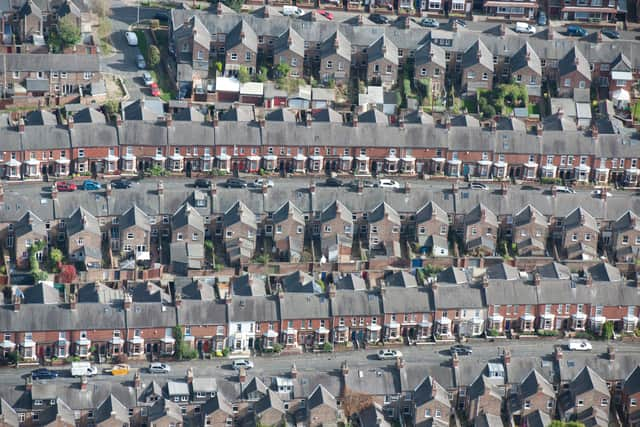
In Yorkshire, coastal cottages, rural villages, northern towns, and older Victorian terraces all mean the same payment can feel like a lifeline in one home and barely a boost in another.
The UK’s geography creates a postcode lottery that shapes how far the help really goes. But where in the country do pensioners feel the benefit the most, and where could support be stepped up?

Coastal vs inland
Coastal living has its charms: big skies, sea views, a calmer pace of life. But it also often means colder, windier winters, and homes on the coast tend to lose heat faster because of higher wind speeds and greater exposure.
Even with good insulation, a strong gust can pull warmth out of a property at a surprising pace. That means boilers work harder and longer, pushing up bills.
Inland homes, particularly those tucked into sheltered towns or valleys, often get a micro-climate advantage. Less wind means less heat loss and fewer hours with the heating cranked up.
It’s one reason seaside areas with large older populations can feel the pinch more sharply despite receiving the same flat-rate payment as everyone else.
North vs South
This is the most widely recognised divide. Northern England, Scotland, and parts of Northern Ireland face colder temperatures for longer stretches of the year.
Households may need heating on from October to April, whereas many in the South can stretch between milder spells.
But the difference isn’t just about degrees Celsius. Energy performance varies too: older housing stock is more common in colder regions, and incomes are often lower, meaning a £200 - £300 Winter Fuel Payment has to stretch much further.
In the South, milder winters mean the same payment can cover a bigger proportion of actual costs, sometimes significantly so.
Rural vs urban
Rural homes often lose out twice. Firstly, they’re more likely to be detached or semi-detached, which naturally lose more heat than compact urban terraces or flats.
Secondly, many rural households aren’t on the mains gas grid. That means heating oil, LPG, or electric heating, all of which tend to be more expensive than gas.
Urban residents, particularly in places with dense housing and smaller floor areas, often heat their homes more cheaply thanks to shared walls that reduce heat loss.
Some city dwellers benefit from communal heating systems as well, which can keep costs relatively predictable. The Winter Fuel Payment therefore represents a higher percentage of winter costs for many urban households than rural ones.
Modern flats vs Victorian semis
Energy efficiency is where the biggest gaps appear. New-build flats can be surprisingly cheap to heat, as small footprints, good insulation and triple glazing, and heat from neighbouring properties all help.
Compare that with a draughty Victorian semi with original sash windows, high ceilings, and solid walls that are hard to insulate.
Even after upgrades, these homes will always be costlier to heat. For older homeowners living in these properties, the WFP can disappear within a week or two of boiler use.
Who feels the payment the most?
It’s not strictly about region, it’s about exposure, insulation, and income. For the following people, the payment may only shave the edge off a tough winter:
- Older homeowners in rural or coastal areas
- Those in colder northern regions
- Residents of older, less efficient housing
- Households off the gas grid
Meanwhile, someone in a modern flat in a mild southern city can see the same payment cover a far larger slice of their seasonal heating bill.
- RELATED: Ice rink closed and sessions cancelled after power fault
- RELATED: Drive-thru restaurant plan ditched near Crystal Peaks - these are the new plans
- RELATED: New coffee shop open to "make a difference" in Burngreave
- RELATED: Pictures give first look inside newly revamped landmark pub after refurb

With household expenses continuing to rise and energy bills still higher than pre-crisis levels, more people are turning to Utility Warehouse (UW) to save money. UW lets you bundle services like broadband, mobile, energy and insurance into one streamlined account—reducing hassle while unlocking multi-service discounts. The more you bundle, the more you save.
Customers benefit from a single monthly bill, up to £400 towards early exit fees, and access to cashback on everyday spending. UW also offers the UK’s cheapest variable energy tariff when bundled, helping shield households from further price hikes.