
World’s oldest walking football club proves it improves fitness, social life and confidence
Taking part in walking football delivers substantial improvements to both physical and mental health, with older men experiencing a vital boost to their sense of community and wellbeing, according to new research.
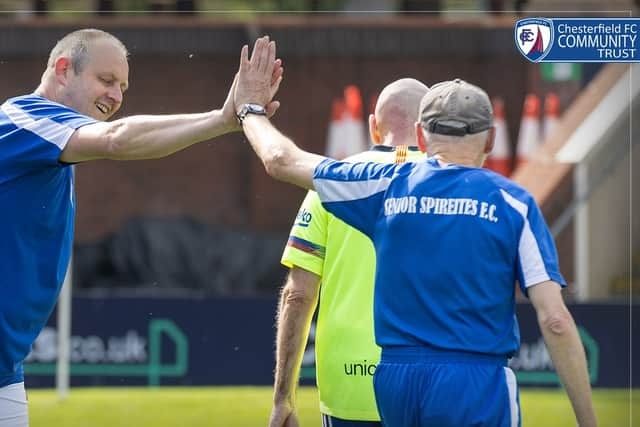

A study conducted by a Sheffield university academic on behalf of the International Urban Symposium looked into players at Senior Spireites Walking Football Club.
The data revealed that 96% of respondents gained a positive sense of belonging to a group, a factor considered crucial for men as they grow older. In addition, 88% reported that playing had enhanced their physical fitness and overall activity, while 86% noted an increase in their social interactions. Participants also recorded high confidence in maintaining a healthy lifestyle, rating themselves an average score of four on a scale of one to five.
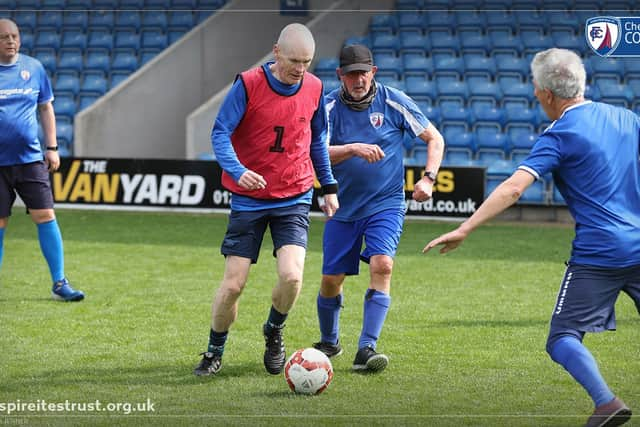
The survey was led by Dr Gary Armstrong, a Sheffield-born author known for his work on football and global sporting cultures. A Senior Spireites player for three years, Mr Armstrong aligned his participation on the pitch with his ongoing academic research into how people can achieve rewarding and fulfilling lives in their later years.
Dr Armstrong said: “The findings of the health survey I’m sure can be used to support the development of activity-based strategies for post-60s people across the globe. The forthcoming edited collection of articles titled For Better Public Health and Healthcare: Grounded Reflections explores how to improve people’s health in all stages of their lives.”
The Senior Spireites holds the distinction of being the oldest walking football club in the world. The sport was originally established in 2010 through an initiative by John Croot, who was then CEO of Chesterfield FC Community Trust and is now CEO of Chesterfield FC, working alongside the club's Community Trust.
Today, the Senior Spireites boasts more than 100 regular players, including several who are over 80 years old, and runs five weekly sessions across Chesterfield and south Sheffield.
Chairman Malc Perks said: “If it were possible to combine all scores under a single conclusion regarding the overall benefit of participating in walking football, it’s a resounding positive. We hoped that the players were benefitting from playing the sport but to see the results of the survey in black and white is very heartening.”