
Sheffield boxing training aiding Parkinson’s and stroke recovery
A new initiative at Sheffield City Boxing Club is using non-contact training to support people with Parkinson's disease, stroke recovery, mobility issues and early onset dementia - expanding the role of the gym beyond traditional sparring and fitness.
Club founder Brendan Warburton began 'Boxing for Brain Health' sessions after a specialist course arranged by England Boxing.
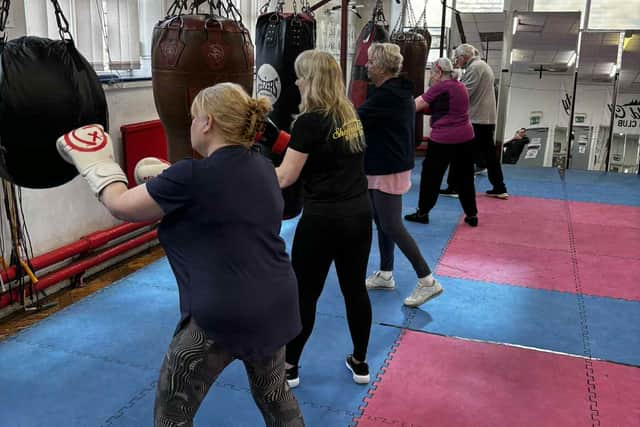

"Studies have shown non-contact boxing training can help people with Parkinson’s by improving their balance, coordination, increasing energy levels and improving mood and wellbeing" he said.
"England Boxing funded us to put on the sessions once a week for three months and we worked with Parkinson’s UK to get the word out."
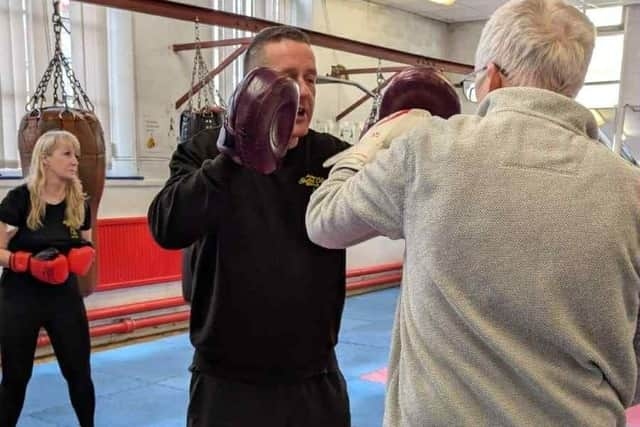
Personal experience has shaped his mission.
"My dad developed dementia, my stepdad had a brain injury and my mother in law had a minor stroke. All I do is adapt the session where possible, don’t judge and make everyone feel welcome" he said.
The sessions have built a regular group of participants and their carers, who are also invited to join in.
Training focuses on adaptable gym drills designed to improve movement and coordination.
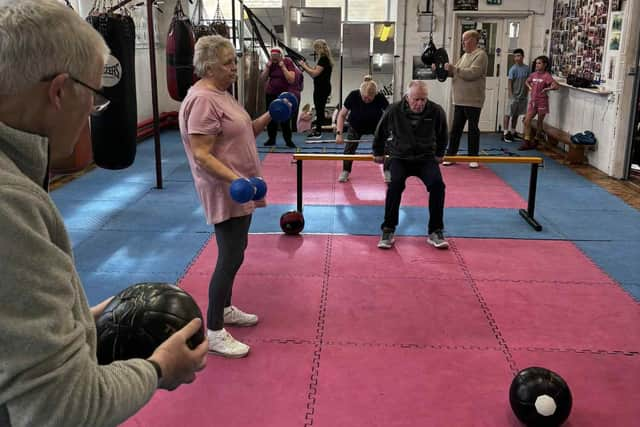
"The sessions use boxing techniques and exercises. We focus a lot on coordination between hands and feet and different drills to improve it."
The social aspect is just as important as the physical benefits, he says.
"Most importantly the sessions are fun and engaging, there is also a social element as every week after training, the group use the onsite cafe for refreshments and a chat."
The response from participants has been striking.
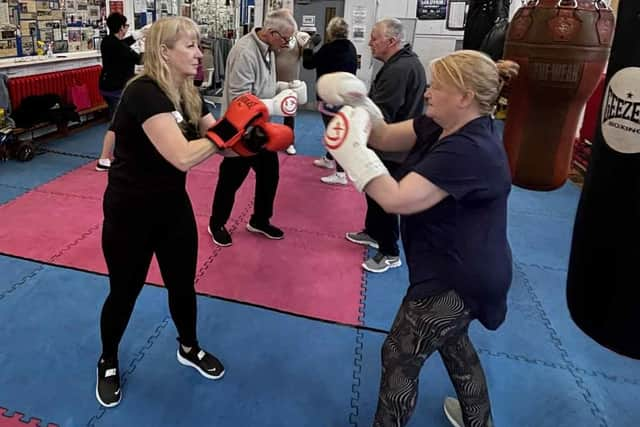
"Some of the feedback from the sessions did knock me backwards, as it was so positive" said the gym owner. "For some members it is the highlight of their week."
He shared one example of how training had helped a member regain confidence.
Brendan said: "One member sent me a video of her husband who is a (military) veteran and also a former Lord Mayor.
"He attends the VE Day commemorations every year but hasn’t felt confident enough to join in the march as Parkinson’s has affected his balance.
"Last year after attending the sessions every week he joined in!"
Warburton said the improvements mirror what he has seen coaching young fighters.
"As a coach I’ve used these drills with young people for many years, and you see the improvements in balance and coordination which is vital for boxers.
"I’d never done it with older people before and to see the improvements they also make is really pleasing.
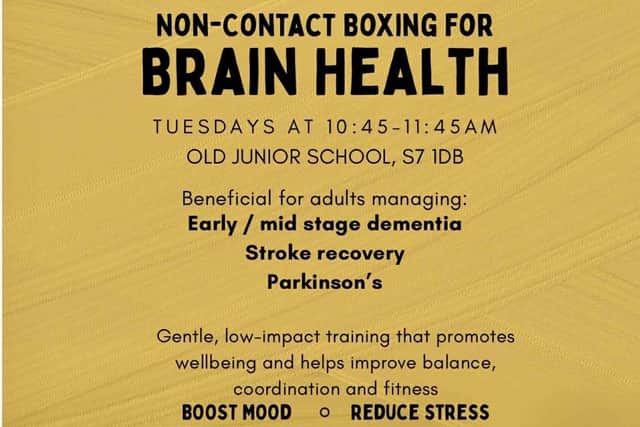
"The weekly sessions (every Tuesday; 10.45-11.45am) are free though we ask for a donation to the club if they can and want."
The programme is now widening its reach.
"I’ve decided to open up the sessions to include people who are recovering from strokes or have early stage dementia as these are also conditions that boxing training could help" said Brendan.
"Anyone who has issues with their mobility and is physically able to take part in low impact exercise is welcome."
Similar non-contact boxing programmes have been introduced at clubs across the UK and internationally, where coaches say structured drills can help improve balance, coordination and confidence among people living with neurological conditions.