
Solar battery systems – Jackery’s smarter way to lower energy bills in the UK
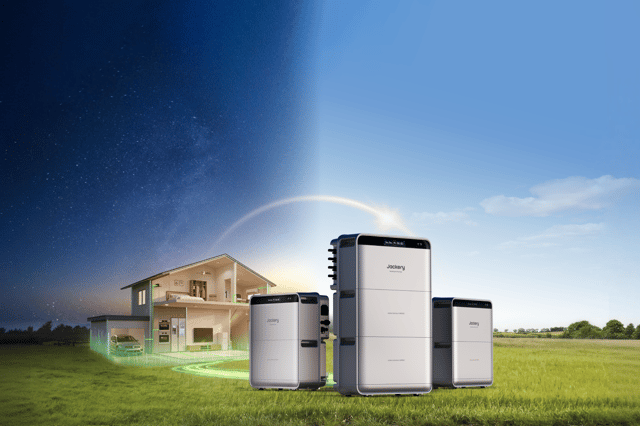

Find out how more UK households are preparing for the future of home energy
The UK's home energy landscape is changing rapidly. With electricity prices remaining a key concern for many households and growing interest in renewable energy, homeowners are increasingly looking for practical ways to reduce their reliance on the grid while making the most of the energy they generate themselves.
At the same time, the UK is moving towards enabling plug-in solar, creating new opportunities for households to adopt more flexible solar solutions. While regulations around battery-integrated solar systems continue to evolve, many consumers are already exploring future-ready technologies that can adapt alongside the market.
One solution attracting growing attention is battery storage. By storing excess solar energy for use later in the day, these systems can help households improve energy efficiency, lower electricity bills and prepare for a smarter, more flexible energy future.
What is a solar battery storage system?
.png?trim=0,0,0,0&width=640&quality=65)
A solar battery system is designed to store electricity generated by solar panels so it can be used when household demand is highest, rather than sending surplus energy back to the grid.
Unlike many traditional home battery systems, which are typically designed around permanent rooftop solar installations, solar battery systems are designed to make battery storage more accessible, while remaining adaptable as regulations develop.
The concept is simple. During sunny periods, solar panels often produce more electricity than a household immediately needs. Instead of letting that surplus go to waste, the battery stores it for later use, such as during the evening when electricity demand usually increases. This reduces reliance on grid electricity and helps households make better use of their own renewable energy.
Why battery storage is becoming more important
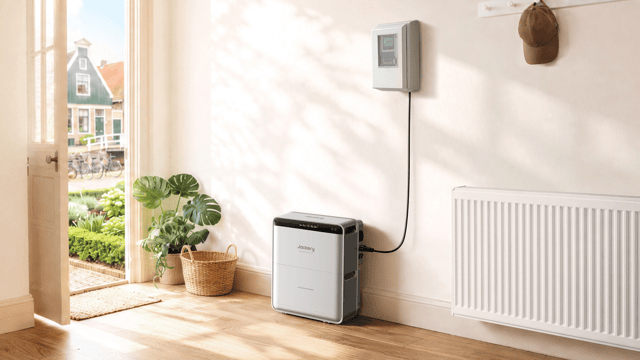
Battery storage helps homeowners use their solar energy when it is most valuable. This can deliver several practical benefits:
- Lower electricity bills through increased self-consumption of solar energy.
- Reduced dependence on the electricity grid, particularly during peak pricing periods.
- Better use of renewable energy that would otherwise be exported or unused.
- Greater resilience as households become more active participants in managing their own energy.
As electricity pricing becomes increasingly dynamic, the value of intelligent energy management also continues to grow.
The role of AI in smarter energy management
Modern home battery systems are becoming far more than simple energy storage devices. Many now include intelligent energy management software that automatically decides when to charge and discharge the battery.
AI-powered systems can analyse solar generation, household electricity usage and dynamic electricity tariffs to optimise energy use throughout the day. Rather than requiring homeowners to manually schedule charging times, the software continuously adapts as household habits change.
Some systems also learn from usage patterns over time, improving efficiency during the first few weeks after installation and continuing to optimise performance through regular software updates.
What should consumers look for?
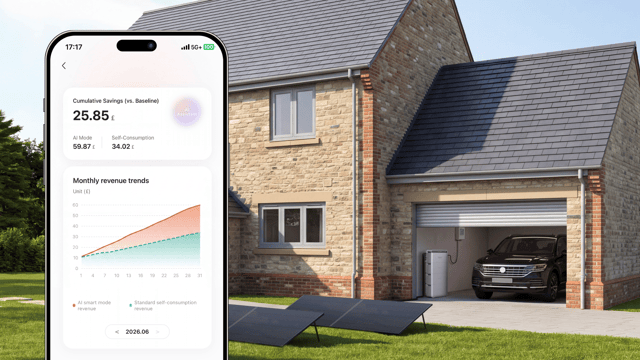
As the market develops, choosing the right battery storage system involves more than simply comparing battery capacity. Consumers should consider several important factors. Some manufacturers are already bringing these capabilities together in integrated home energy systems, including solutions such as the Jackery SolarVault 3 Series.
Energy savings and self-consumption. The primary purpose of battery storage is to maximise the amount of self-generated electricity used within the home. A well-designed system should make this process straightforward and efficient.
Performance. Higher AC output and greater solar input capacity allow the system to support more household appliances while capturing more solar energy. Multiple MPPTs (Maximum Power Point Trackers) can further improve solar generation by allowing different solar panel groups to operate independently.
Intelligent energy management. Systems that integrate AI and dynamic tariff optimisation can automatically charge and discharge at the most cost-effective times, reducing household energy bills without constant manual adjustments.
Safety and reliability. Because battery storage is a long-term investment, consumers should look for robust safety features, comprehensive battery protection, weather-resistant construction and a strong manufacturer warranty.
Flexibility and scalability. Household energy needs often change over time. Modular systems that allow storage capacity to be expanded offer greater long-term value than fixed-capacity solutions.
Looking ahead
The UK's transition towards more flexible home energy systems is gathering pace. As plug-in solar becomes more widely available and electricity tariffs continue to evolve, battery storage is likely to play an increasingly important role in helping households reduce costs and make better use of renewable energy.
Future-ready battery storage systems provide benefits today through improved self-consumption and smarter energy management, while also preparing households for tomorrow's evolving energy ecosystem. For consumers considering how to make their homes more efficient, flexible and resilient, plug-in ready battery storage represents an investment that can continue delivering value for years to come.
A future-ready approach with the Jackery SolarVault 3 Series
As interest in plug-in ready solar storage grows, the Jackery SolarVault 3 Series demonstrates how these technologies are evolving to meet the needs of modern households.
The SolarVault 3 Series is designed specifically for the UK's emerging plug-in solar landscape. Rather than focusing solely on energy storage, it combines flexible hardware, intelligent software and long-term reliability into a complete home energy management solution.
The SolarVault 3 Pro Max offers scalable storage capacities of from 2.52 to 15.12 kWh, up to 2,500W AC output and support for up to 4,000W of solar input through four independent MPPTs, helping households maximise solar generation while supporting a wide range of everyday energy demands.
Purchase is followed by installation by a qualified electrician, app configuration and an initial learning period during which an AI energy management system builds an understanding of household energy habits. Ongoing software updates continue to enhance performance and energy optimisation throughout the product's lifetime.
Jackery also places a strong emphasis on long-term reliability through its Safety-First philosophy, combining multiple layers of battery protection, IP65-rated weather resistance and a 10-year warranty for added peace of mind.
Under typical usage assumptions, the Jackery SolarVault 3 Pro AC can help households save up to £1,435 per year on electricity costs by increasing solar self-consumption and intelligently managing energy usage.
To learn more about plug-in ready battery storage systems and the Jackery SolarVault 3 Series, visit the Jackery UK website.
And to discover all that Jackery offers visit the Jackery UK online shop.
- RELATED: EcoFlow launches pocket-sized power boost for UK solar homes
- RELATED: From toy planes to real aircraft - meet AMRC high-flyer Erica Smith
- RELATED: Yorkshire’s AMRC celebrates 25 years of manufacturing the future
- RELATED: Christmas At Belton returning with dazzling new 2026 light trail – buy tickets now