
Sheffield’s Grand Old Man: steel titan, freeman, philanthropist, and ‘Father of Sheffield University’
Much of his success was due to the Mappin Bros firm’s ability to supply high-quality goods to an increasingly more wealthy Victorian market
There are a few Sheffield industrial families with long-lasting legacies that have left their mark on the city.
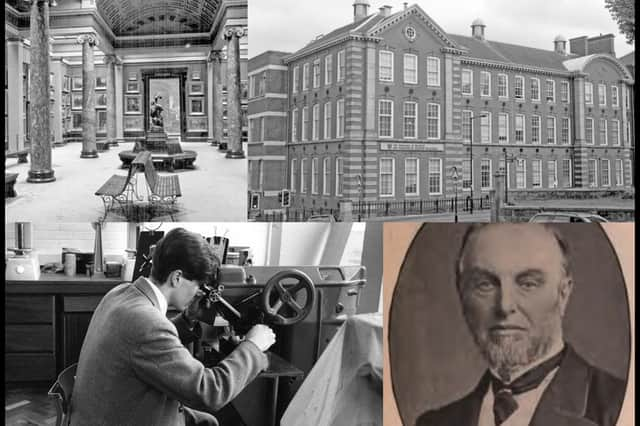

None more so than the Mappins.
The story of Sir Frederick Mappin, a steel magnate, philanthropist, art collector, city benefactor and ‘Father of Sheffield University’ is one of intrigue and interest.
Born in Sheffield on 16 May 1821, Frederick Thorpe Mappin was the eldest son of Joseph Mappin and his wife Mary Ann Thorpe, the daughter of a Bedfordshire land agent.
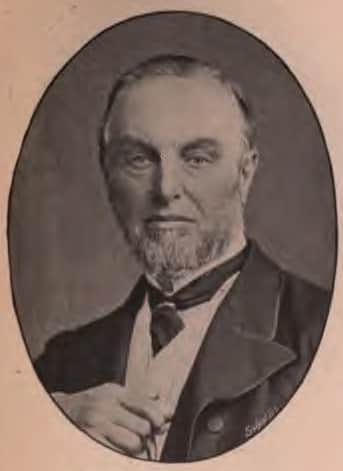
Frederick was educated at Mr Wright’s school at the age of 14 he was called on to leave school and assist in his father’s business, which was based in Fargate. Six-years later, at the age of 20, he was thrust into managing the business when his father passed away.
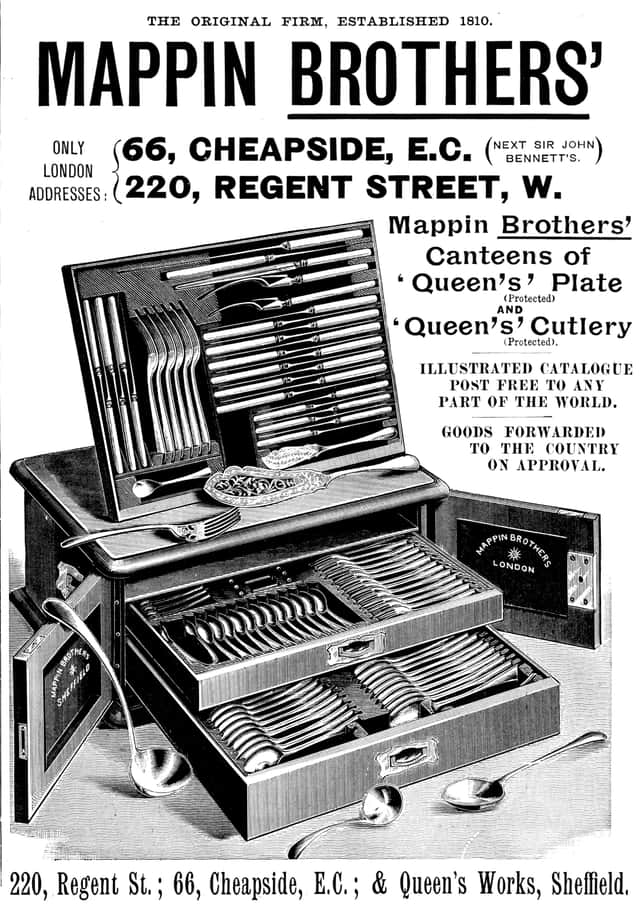
Under his guidance, the firm would become Mappin Bros and it expanded to the forefront of Sheffield’s cutlery trades. As the firm grew so did its workforce, increasing from 100 to 500 silversmiths and cutlers. It would later go on to grow further acquiring London’s largest cutlery warehouse, before developing its own extensive export trade – a result of Mappin’s assiduousness and deft salesmanship.
In 1854, Mappin was elected to Sheffield Town Council as a Liberal, a position he would hold until 1857.
In 1855, Mappin became Sheffield’s youngest Master Cutler at the The Company of Cutlers in Hallamshire. Marking another milestone in what would become not just a successful career but enduring legacy for Frederick and the Mappin family dynasty as it grew further.
Much of his success was due to the Mappin Bros firm’s ability to supply high-quality goods to an increasingly more wealthy Victorian market domestically while expanding interests overseas. But a change was to come for the eldest of the Mappin brothers.
Following a dispute in 1859, Frederick left the firm and redirected his entrepreneurial efforts towards the heavy steels industry in Sheffield. In 1860, he purchased the top-quality steel manufacturer Thomas Turton & Son, the well-regarded file and edge toolmakers.
With Mappin at the helm, Turtons (as it was known) spearheaded the mechanisation of the cutlery industry in Sheffield. However, when the firm introduced the first grinding machine for file-cutting in 1865, it sparked a major strike. This unrest unfolded against a backdrop of severely strained industrial relations, driven by resistance to changes impacting its well-established handicraft trades.
Employers succeeded in overcoming union opposition during this dispute. Nevertheless, the advancement of technology remained slow, leading Turtons to rely heavily on manual labour well into the 1890s.
In 1865 Mappin would move into Thornbury, a new country house he had built in Ranmoor, now an affluent suburb. A year later, he was re-elected to the Town Council, and served as the Mayor of Sheffield in 1877–78.
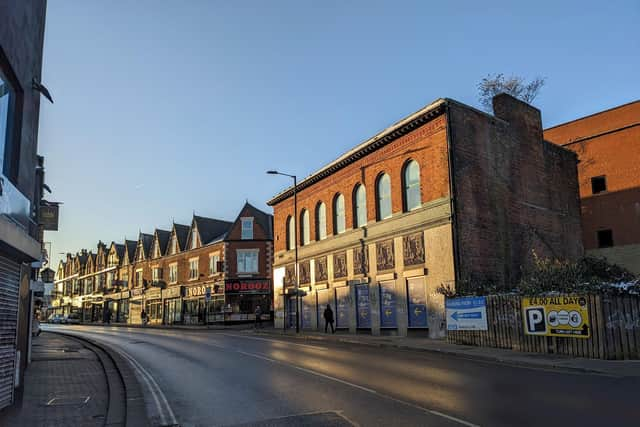
In 1877 Mappin built the Highfield Cocoa and Coffee House to provide non-alcoholic entertainment to the city's working class. This initially proved successful with several more being built, sadly the London Road business closed in 1908.
In 1886, his allegiance to Mr Gladstone's Home Rule initiative earned him a baronetcy. Though officially presented as a public honour, the title was widely regarded as well deserved on broader public merits. In matters of religion, he was initially connected with the Congregationalists before joining the Church of England, remaining a remarkably liberal patron of local church endeavours throughout the Sheffield region across his lifetime.
Mappin added 80 pictures to Mappin Art Gallery which later became Weston Park Museum, which was founded by his uncle, Mr John Newton Mappin.
Sir Frederick Mappin's most lasting legacy in Sheffield stems from his dedicated contributions to technical and higher education. He served as the primary founder of the Sheffield Technical School, now a central department of the University of Sheffield, and donated thousands of pounds to support the school, which in 1897 merged with the Medical School and Firth College to form the University College of Sheffield, and later, by royal decree, the University of Sheffield.
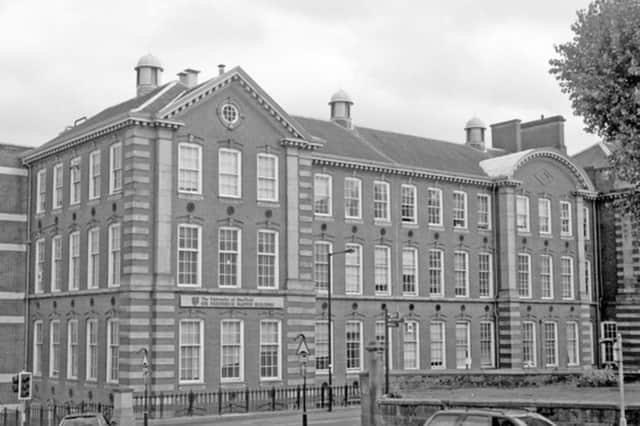
His financial contributions included funding for scholarships and exhibitions, as well as a £15,000 donation to the University Fund. He was appointed as one of the University's first two pro-Chancellors and served as Chairman of the Department of Applied Sciences (formerly the Technical School).
Beyond his educational work, Sir Frederick chaired the Sheffield United Gas Light Co. for over thirty years. He was also a long-standing director of the Midland Railway Company and served on the board of Bridgewater Navigation, among other business roles.
Civic honors followed his service: he chaired the Town Trustees, became one of Sheffield's first freemen in 1900, and frequently had his portrait commissioned by public bodies. He managed his fortune thoughtfully, supporting causes he fully understood.
Mappin died at his home, Thornbury, in Sheffield on 19 March 1910, two years after his wife's death in April 1908. Buried at Ecclesall cemetery, he was succeeded as baronet by his eldest son, Frank, leaving an estate of nearly £1 million despite substantial lifetime donations.
Completed in 1886 as Sheffield’s Technical School, the Grade II-listed Sir Frederick Mappin Building remains a cherished Victorian landmark. Having survived both World Wars, it stands as an enduring monument to the city's educational and industrial legacy.
Sir Frederick Mappin’s vision helped the city become a global leader in steel and technology, a vision that is reflected within the pursuits of the city’s university students to this day.