
Story of Sheffield teen who saw Britain test its most powerful nuclear weapon ever
Sheffield man Derek Glossop, at the time just 17-years-old was a part of the crew that delivered Britain’s most powerful nuclear weapon ever – this is his story
This is the story of a Sheffield teen who was a part of the crew that delivered Britain’s most powerful nuclear weapon ever.
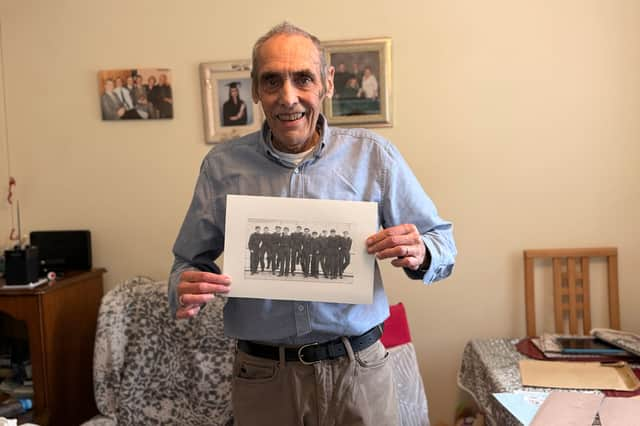

During the Cold War, Britain detonated a series of nuclear weapons on Christmas Island (Kiritimati) as part of Operation Grapple.
Derek Glossop, who was just 17-years-old at the time, was there and saw it all unfold.
“There weren’t many civilians there, apart from the scientists”, says Derek, now 86-years-old, as he discusses Operation Grapple Y, a British military operation that took place at Kiritimati (Christmas Island), over the course of two years from 1957-58.
“We were nearest, we experienced the bomb. Something that no civilian would have.”
Derek’s journey to the Christmas Islands started aboard the Lord Byron.
The MV Lord Byron was a British merchant cargo ship. It was likely chartered by the British military to assist in the nuclear testing program.
“I was in London waiting for the ship, we had to go for a medical first and then they told us we were going to Christmas Island. I didn’t even know where (it) was, never even heard of it.”
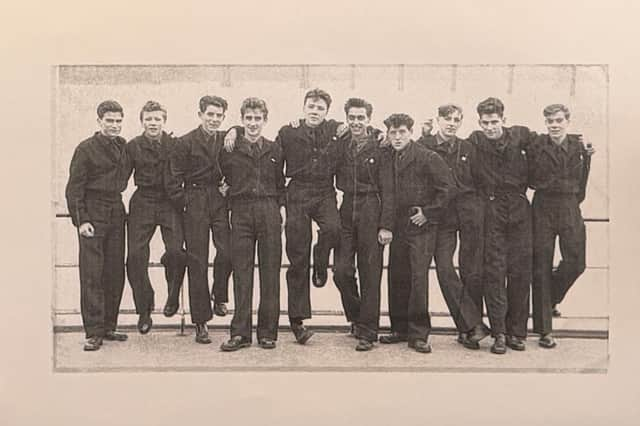
“We set sail around the beginning of March, 1958. We were heading for Panama, stopped for a day and told not to mention what we had onboard.
“The bomb was on the ship. A nuclear bomb, well, it was the hydrogen bomb.”
After a brief stop in Panama, MV Lord Byron continued onwards. Derek saw “all sorts of sights” including alligators and “moths as big as a plate”.
Derek says it took a couple of weeks to reach the island and the Navy sent out a small boat to meet the crew.
“I remember that it was Good Friday,” Derek adds. “Which would have made the date Friday, April 4, 1958.
“I was only a lad at the time, just coming up to 18, it was all exciting.”
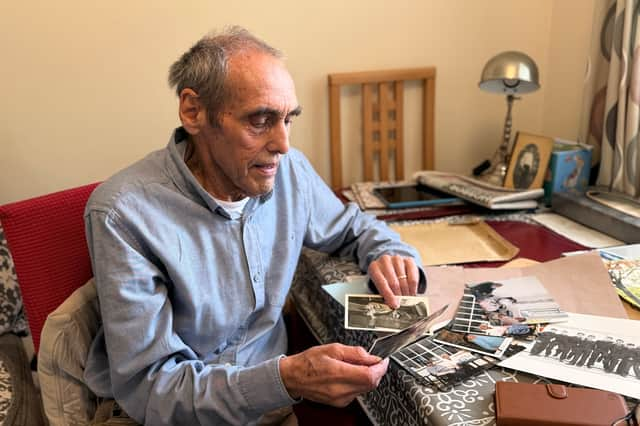
The trip was life-changing for Derek, a teenager who had never previously gone abroad.
“A chap came on board called Derek Musselwhite, he was a diver, and he was from Darnall in Sheffield.
“We’ve been friends ever since, well… we were, he’s passed away now. His ship was the HMS Narvik, we used to go aboard for entertainment at night.”
Despite being used for recreation, HMS Narvik primarily served its deployment in the Christmas Island and Malden Island region as a scientific control and support ship.
The HMS Narvik was also used as a distraction mechanic, hosting the Kiritimati islanders and lavishing them with food, music and films before removing them while tests took place and returning them home to the aftermath.
On the island itself, Derek and his shipmates would go out exploring.
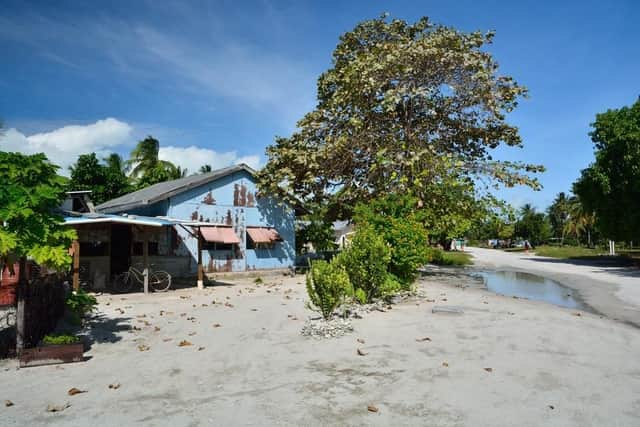
“There was also a village there, for the locals,” he added. “We didn’t interfere or bother them, they wanted their privacy. We respected that.”
Although they weren’t meant to be there during the bomb tests, it was due to the repairs on the ship’s rudder that necessitated a longer stay.
“They were going to move us 40 miles away from the island. But they couldn’t. They sent the naval personnel on board who took us down below deck and we had to sit with our hands in front of our eyes and wait for the blast.
“All I heard really was a loud thud, the ship vibrated. The blast knocked the ship back nine-foot.”
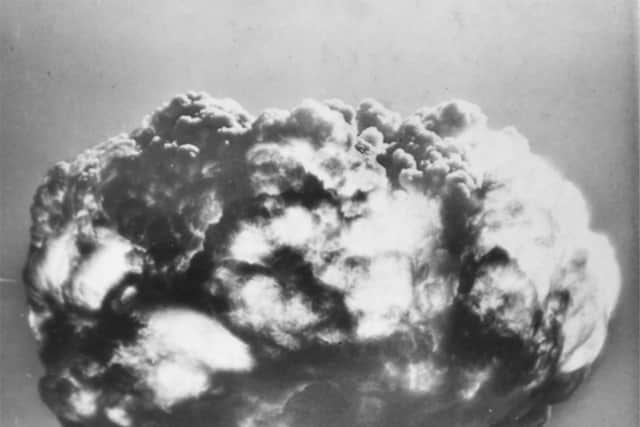
That day, April 28, 1958, Derek was there as the British military executed its Grapple Y thermonuclear detonation.
“We went back up on deck, we were told ‘no photographs’. I looked up and there was a great big ball of fire, it was unbelievable to see it.”
The power of this blast exceeded every test before it with an explosive yield of about three megatonnes of TNT. To this day, it remains the largest British nuclear weapon ever tested.
Derek said they went above deck just after the blast and he saw a plane.
His memory serves him well. The Avro Shackleton maritime reconnaissance aircraft flew into the cloud for experimental reasons.
“There were National Service lads that had been out there a while, some did 12-months out there,” Derek sayd. “They had to sit on the beach with their backs to it. You can imagine what they went through, can’t you?
“It blew palm trees down, it demolished huts. We didn’t see that at the time, we were told afterwards.”
In an extract from another interview, a former Royal Engineer said: “My eyes closed with my hands covering them. I clearly saw the bones in my hand, just like you see them if you look at the results of an X-ray.”
Being so close to such an event is terrifying to anyone. Not least the servicemen who had to sit with their backs to the blast and the Micronesian populace who were subjected to such sustained tests for years, with no recognition or acknowledgement.
“Them lads, they deserve recognition,” Derek says.
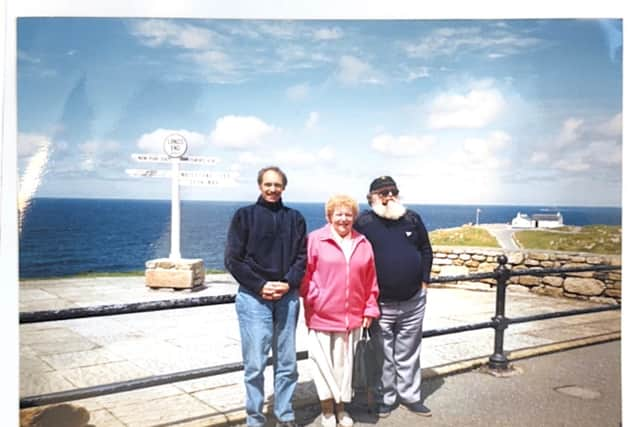
“The only thing I know about is that later Derek Musselwhite had lung cancer, whether it were related to that I don’t know. There’s no proof on that.
“Those lads were fighting for compensation, but they’ll never get it.”
Acknowledgement and restitution is all Derek wants for those who could have been affected by Operation Grapple and the bomb tests at Christmas Island.
He is now 86-years-old, and like the families of those who were at Kiritimati in 1957 onwards, he is still waiting.