


The year 1926 was an eventful one for the city of Sheffield.
It was also the year that Elizabeth II was born (April 21, 1926). The late monarch would become Queen on 6 February 1952 until 8 September 2022, when she passed away.
1926 was also the year of the National General Strike, Britain’s first and only one. The strike stemmed from a long-running dispute over mine owners reducing miners' pay and increasing hours to boost profits. High 1920s unemployment (over 10% in Sheffield alone) and ongoing industrial relation problems which had resulted in strikes in the pre-World War One years (1911-1914) which had not been resolved.
The Sheffield Gang Wars of 1925 had abated somewhat, with the Park Brigade becoming the dominant of the city gangs at that time.
Read more: 'Fire on Furnace Hill' - The tale of a historical gangland shootout in Sheffield's 'Little Chicago'
Furthermore, 1926 marked a historic milestone when Sheffield became the nation’s first major city council to fall under Labour Party control. A political shift that launched a century of strongly socialist local governance and pioneering social housing developments.
Take a look through the this nostalgic gallery to see the city 100-years-ago.
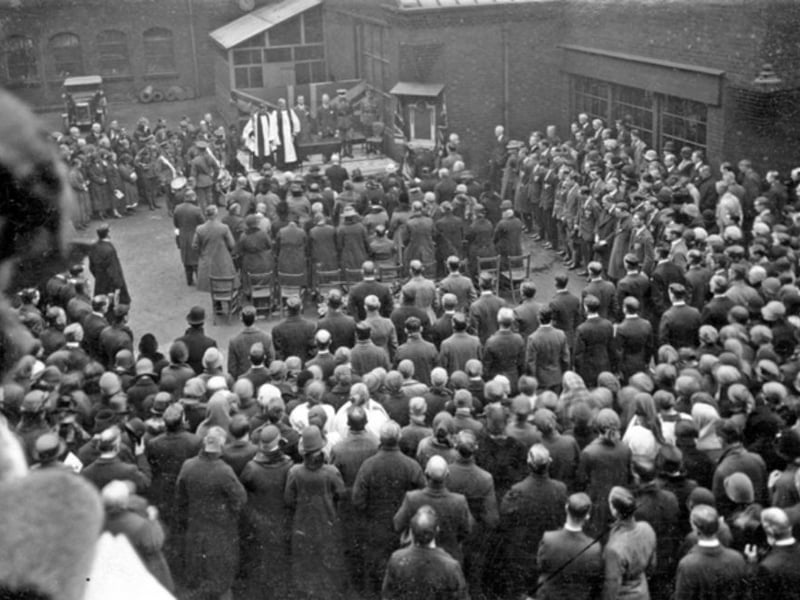
5. Armistice Day
The unveiling and the dedication of a war memorial tablet on Armistice Day 1926 at James Dixon and Sons, Cornish Place Works, Sheffield | Picture Sheffield
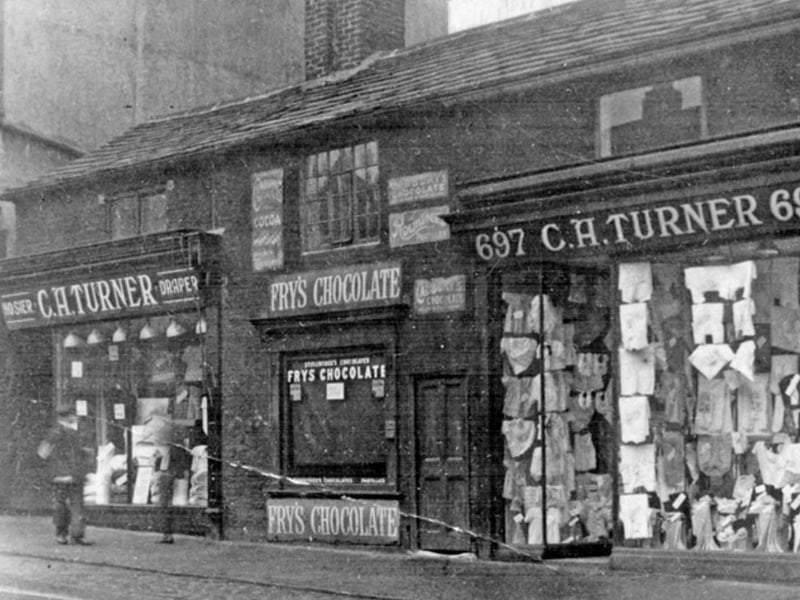
6. 1920s shops
C. H. Turner drapery store and Fry's Chocolate shop on Attercliffe Road, Sheffield, in 1927 | Picture Sheffield
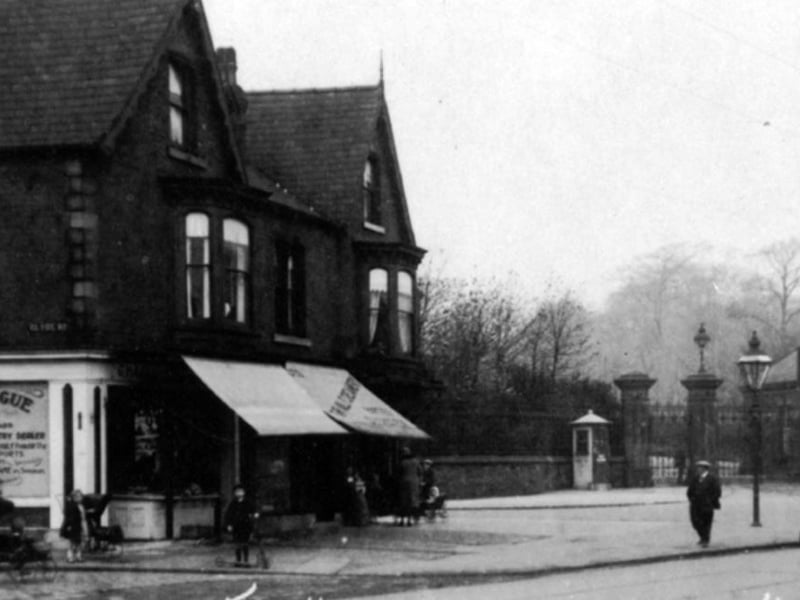
7. Fir Vale
George Hague, poultry dealer and fishmonger, on Barnsley Road, Fir Vale, Sheffield, in around 1926, looking towards the entrance gates and lodge of Sheffield Union Workhouse (later Fir Vale Infirmary and Northern General Hospital | Picture Sheffield/Fir Vale P.O
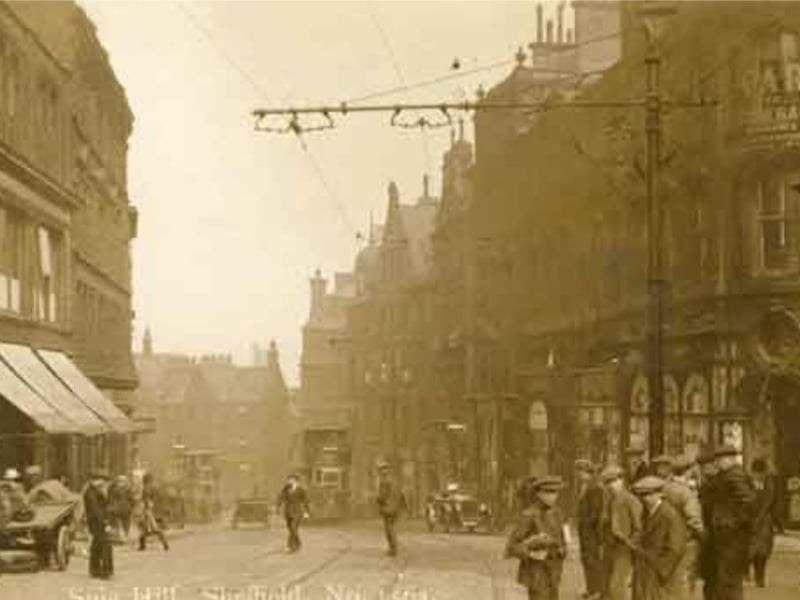
8. Snig Hill
Snig Hill, Sheffield city centre, in around 1926 | Picture Sheffield/C. and A.G.Lewis Ltd, Nottingham