
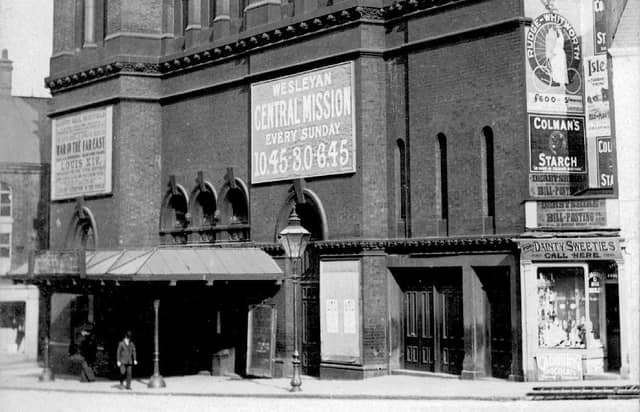

The buildings and monuments featured in this gallery were once prominent features of the city skyline, but they are now lost to history.
Drawing from the archives, we showcase some of Sheffield's most famous Victorian landmarks that were demolished in the decades following an era that fundamentally shaped the city.
From a stunning number of theatres and picture houses that our forebears used to visit for their entertainment to long lost football stadiums that helped shape the foundations of a game that we know (and in many cases follow avidly) today.
In this collection of images from years gone by, we have also included some of the city’s former architecturally striking churches and civic buildings.
🎞️ Did you enjoy this look back to the Sheffield in the years’ past? If you did, then you should sign up to our free retro newsletter
Take a look at the gallery below to see what we are missing and the related backstories from a long-past era which is now bringing forth a whole new wave of high rise buildings across the city.
The pictures provide detailed information on each structure, including when and why it was lost.
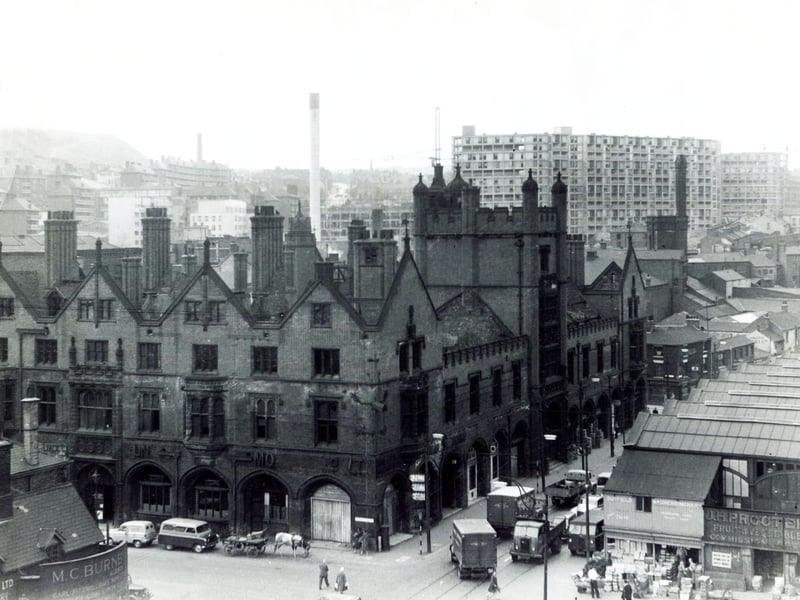
1. Old Corn Exchange
The Corn Exchange, in Sheffield city centre, was built in 1881. Sheffield's population at that time was 335,953. In the background you can see what was at the time the new Park Hill flats, and part of the wholesale fruit market, in 1959.
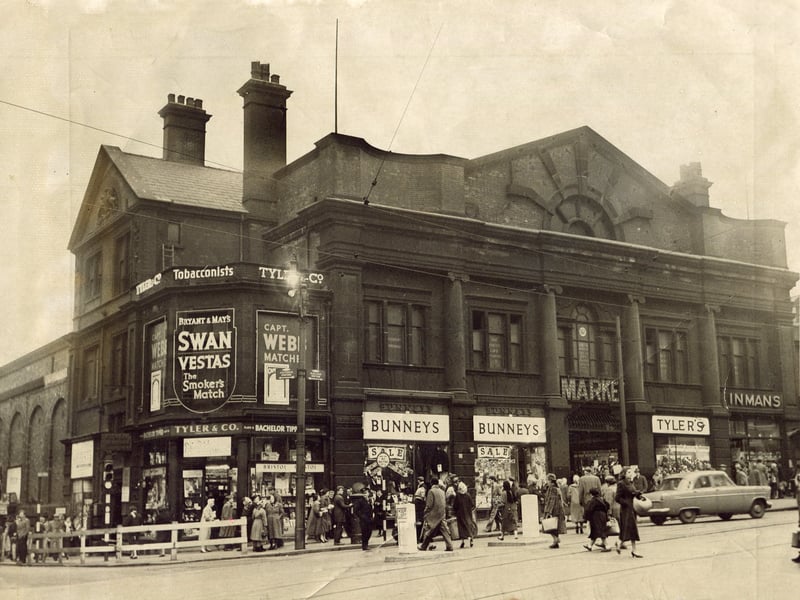
2. The Norfolk Market Hall, Haymarket, opened on Christmas Eve 1851 and closed in 1959. It was built on the site of the famous old Tontine Inn (1785-1849). From right to left the shops are G.E. Inman, pastry cooks, Tyler's, bootmakers, Bunneys (Hosiery) Ltd., drapers, and the popular tobacconists, Tyler and Co. on the corner of Exchange Street.
The Norfolk Market Hall, Haymarket, opened on Christmas Eve 1851 and closed in 1959. It was built on the site of the famous old Tontine Inn (1785-1849). From right to left the shops are G.E. Inman, pastry cooks, Tyler's, bootmakers, Bunneys (Hosiery) Ltd., drapers, and the popular tobacconists, Tyler and Co. on the corner of Exchange Street. | Johnston Press
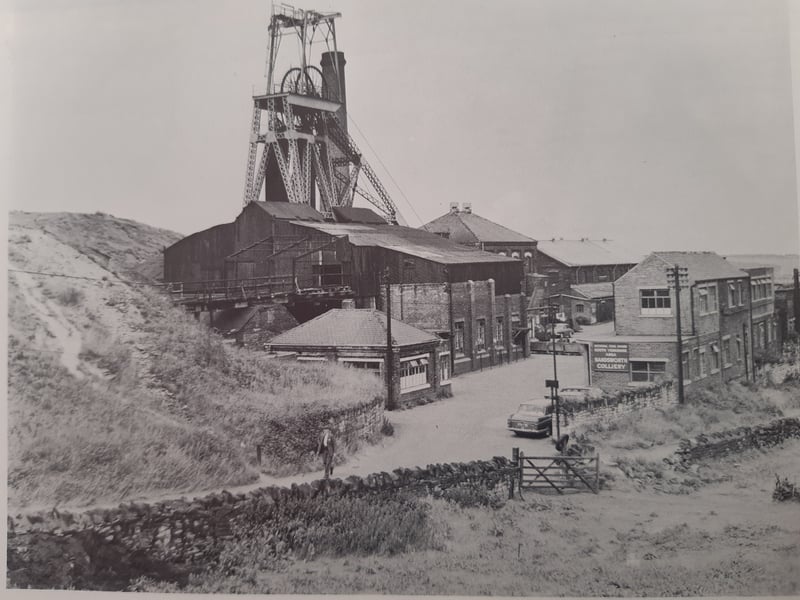
3. Handsworth Colliery
Handsworth Colliery opened in 1901, right at the end of the Victorian era, in 1901, but was a landmark to those in the area for the decades in which it operated, including those late Victorians | Sheffield Newspapers
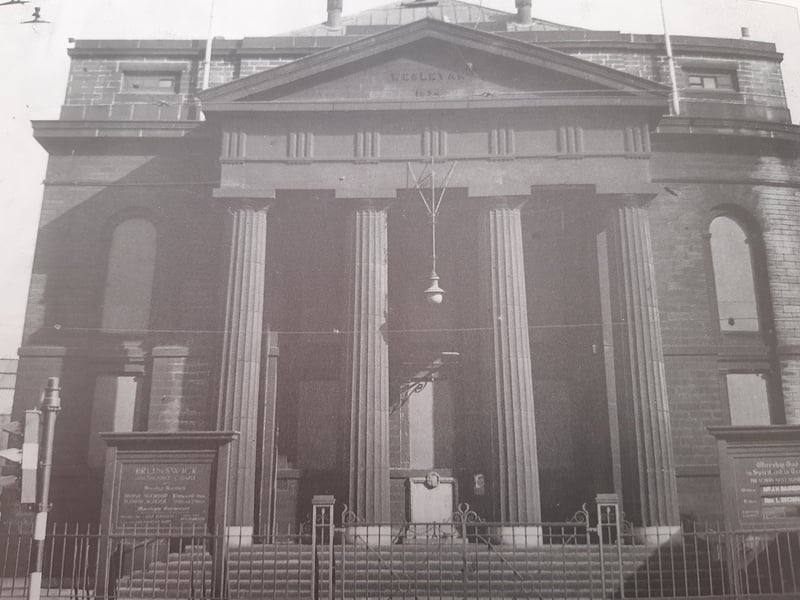
4. Brunswick Chapel
Designed by Joseph Botham and constructed in 1824, this Wesleyan Methodist chapel on Brunswick Street (formerly South Street, where The Moor is now) was built to accommodate the congregation previously based on Albion Street. Built from ashlar with a hipped slate roof, the building features two tiers of round-arched windows along its walls and a three-bay principal northern facade. Originally, the southern end of the chapel possessed an elliptical shape (resembling a flattened circle). | Sheffield Newspapers