
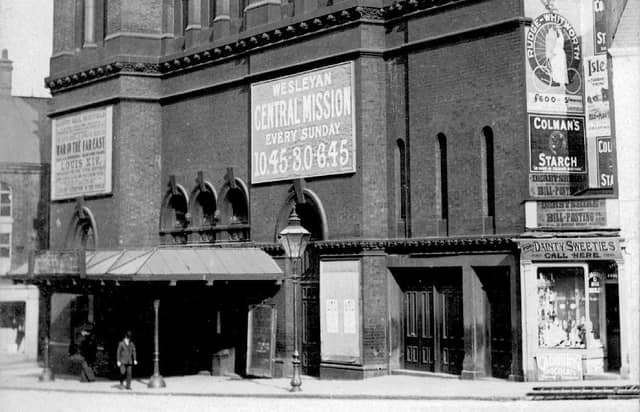

The buildings and monuments featured in this gallery were once prominent features of the city skyline, but they are now lost to history.
Drawing from the archives, we showcase some of Sheffield's most famous Victorian landmarks that were demolished in the decades following an era that fundamentally shaped the city.
From a stunning number of theatres and picture houses that our forebears used to visit for their entertainment to long lost football stadiums that helped shape the foundations of a game that we know (and in many cases follow avidly) today.
In this collection of images from years gone by, we have also included some of the city’s former architecturally striking churches and civic buildings.
🎞️ Did you enjoy this look back to the Sheffield in the years’ past? If you did, then you should sign up to our free retro newsletter
Take a look at the gallery below to see what we are missing and the related backstories from a long-past era which is now bringing forth a whole new wave of high rise buildings across the city.
The pictures provide detailed information on each structure, including when and why it was lost.
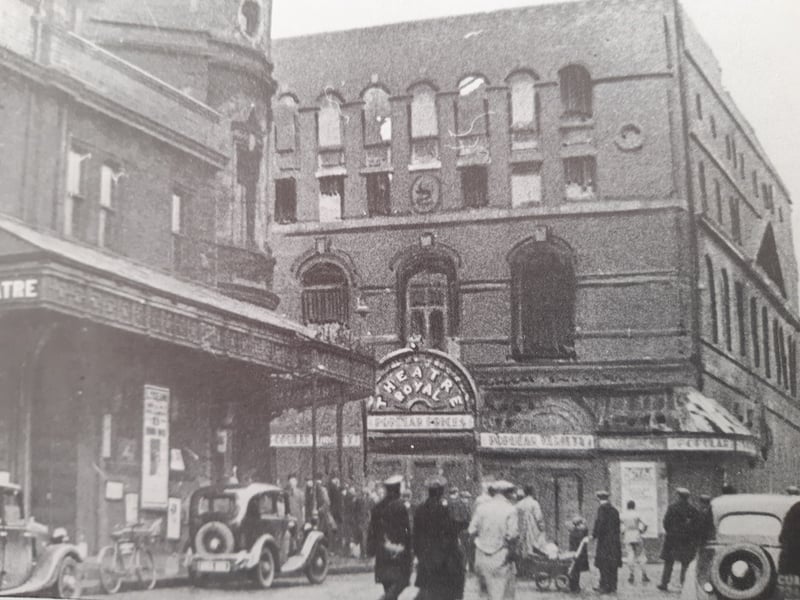
5. Theatre Royal
The Theatre Royal stood across the road from The Lyceum on the opposite corner of Tudor Square. It was opened in 1773, but almost entirely rebuilt in 1855. It was destroyed by fire in 1935 and demolished in 1936. If the theatre had survived to now it would have been Sheffield's oldest theatre by far. | Sheffield Newspapers
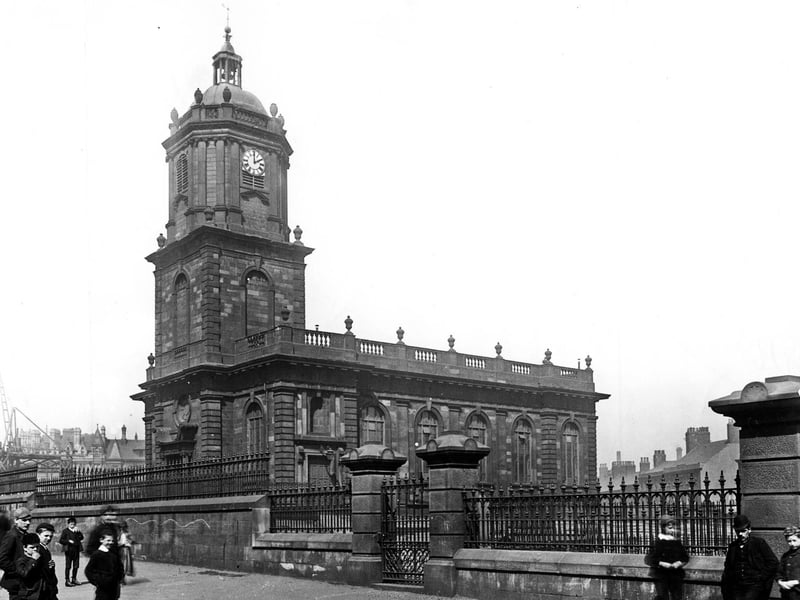
6. St Paul's
St Paul's Church, Pinstone Street, Sheffield, was built in 1720/21. The church was demolished in 1938 and St Paul's Gardens were laid out on the site next to the Town Hall, with the site later becoming known as the Peace Gardens. The bodies in the graves were exhumed and reinterred at Abbey Lane Cemetery.
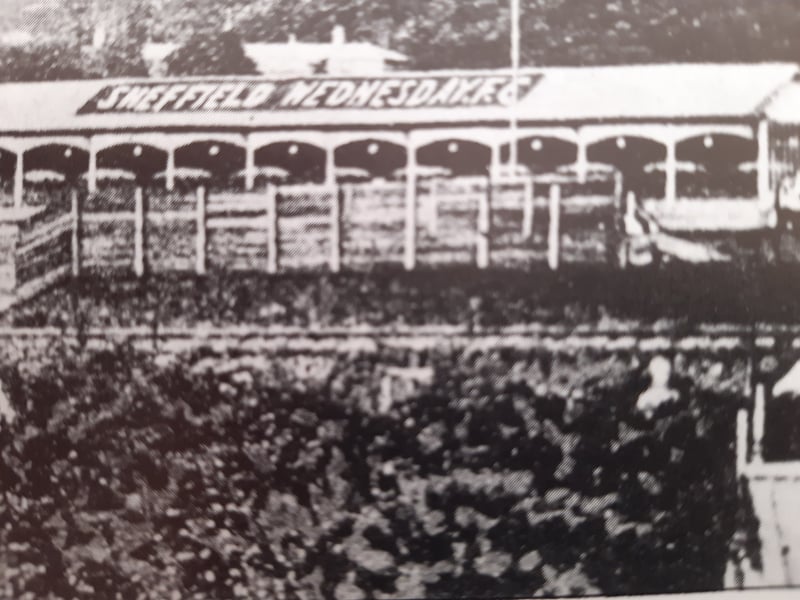
7. Olive Grove
Olive Grove was the ground Sheffield Wednesday built in 1887. They remained there until 1899 when the site was taken over by the Midland Railway Company for an extension to their lines | Sheffield Newspapers
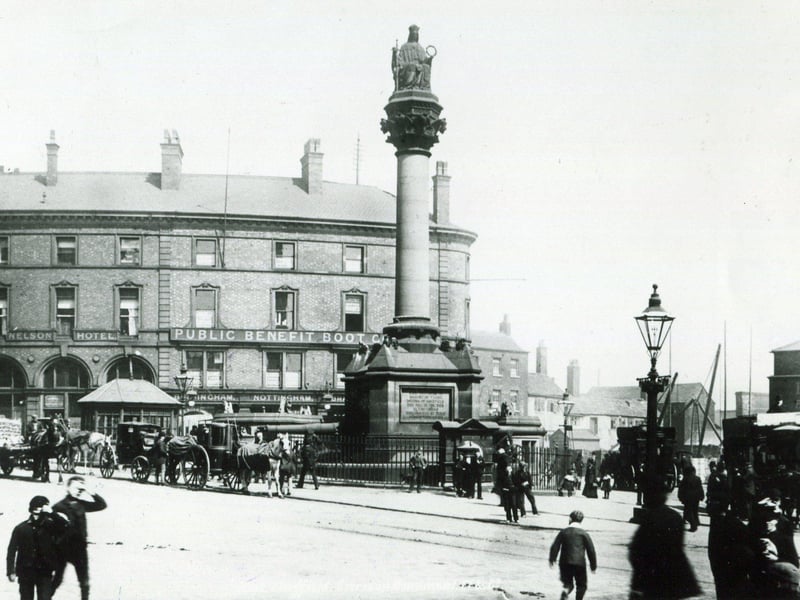
8. The Crimean War Memorial at Moorhead, Sheffield, erected in 1863 in memory of Sheffield men killed in the war. In 1960 the monument was moved from Moorhead to Sheffield's Botanical Gardens, without the column, where it stayed until 2004. The Grade-II listed monument was removed by Sheffield Council when the gardens were restored and has remained in storage ever since.
The Crimean War Memorial at Moorhead, Sheffield, erected in 1863 in memory of Sheffield men killed in the war. In1960 the monument was moved from Moorhead to Sheffield's Botanical Gardens, without the column, where it stayed until 2004. The monument is now kept in storage by Sheffield Council.