

But many may be unaware of the story and the tragedy that led to the construction of Sheffield’s Hole in the Road.
We have put together a gallery that explains the story of how the city came to have the famous Castle Square subway, and how it was finally lost to the city less than 30 years after it was opened.
These photos, taken from The Star’s archives and from pictures courtesy of Sheffield Council’s Picture Sheffield archive, aim to bring the Hole in the Road’s story to life.
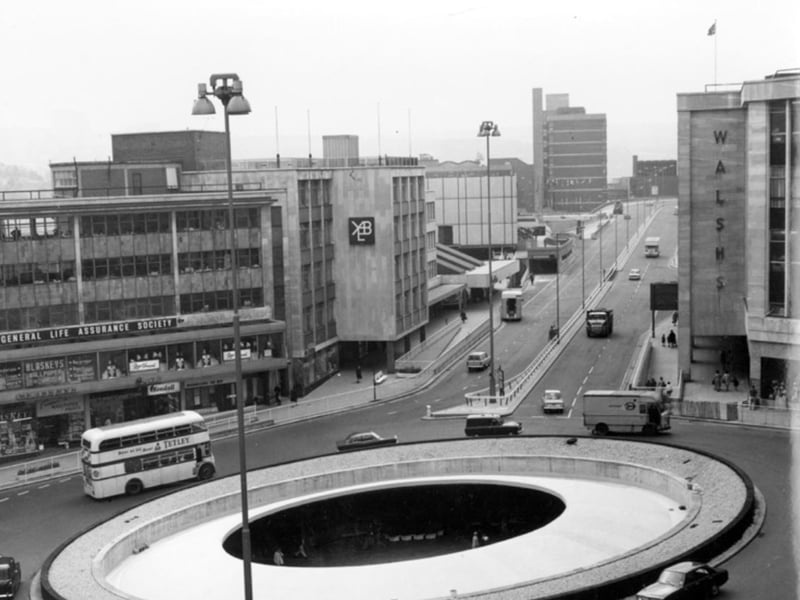
1. Hole in the Road
Sheffield's Hole in the Road, pictured in 1969. Here is the story of a landmark which still lives on in the memory of many Sheffielders. Photo: Picture Sheffield | Picture Sheffield Photo: Picture Sheffield
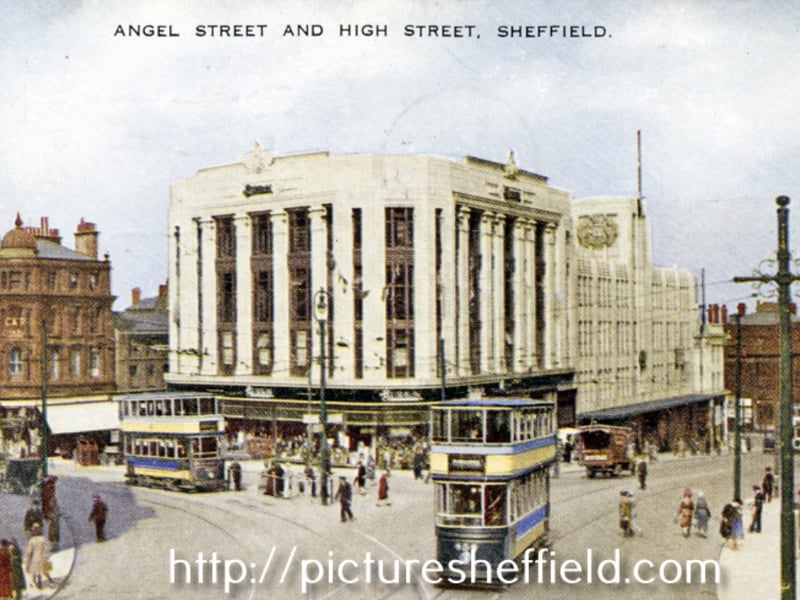
2. Pre war
Before World War Two, the site which later become the Hole In The Road was a busy junction, and part of a tram route at the junction of Angel Street, High Street and Market Place. Photo: Valentine and Sons Ltd Valesque Series / Picture Sheffield | Valentine and Sons Ltd Valesque Series / Picture Sheffield Photo: Valentine and Sons Ltd Valesque Series / Picture Sheffield
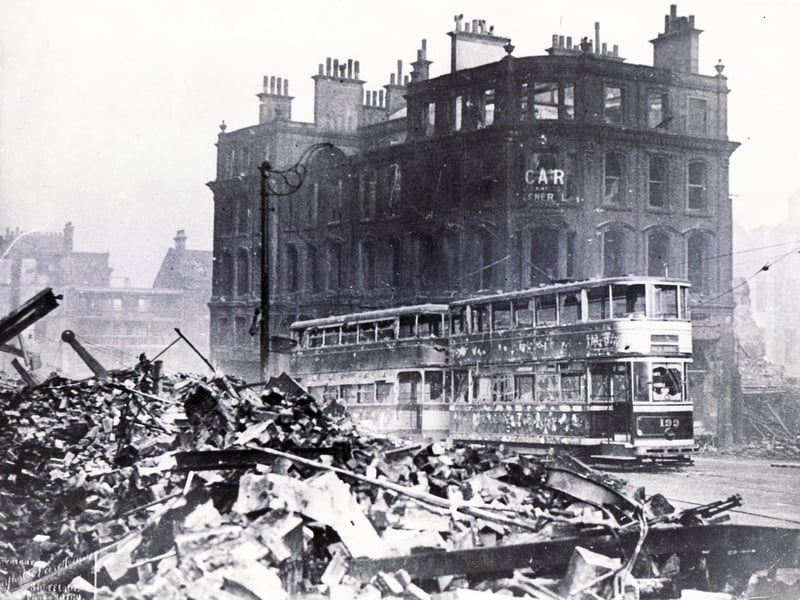
3. The Blitz
During the early years of World War Two, Sheffield was hit by Nazi bombing air raids. Among the worst hit parts of the city were those areas around High Street, and Angel Street, pictured here. Dozens died when a popular hotel, The Marples, on the corner of High Street and Fitzalan Square, was hit. Photo: Sheffield Newspapers | Sheffield Newspapers Photo: Sheffield Newspapers
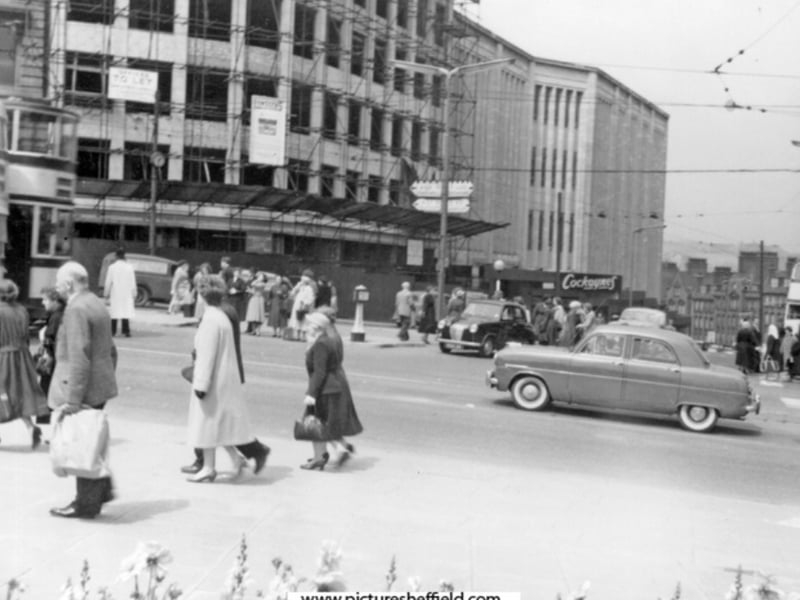
4. The 1950s
It meant there was need for major rebuilding after the war. By the 1950s, some rebuilding had taken place, and cars and trams were back on the roads at the junction. Plants and small 'cabin' shops made up part of the area. But there were grander plans. Photo: Picture Sheffield. | Picture Sheffield Photo: Picture Sheffield