
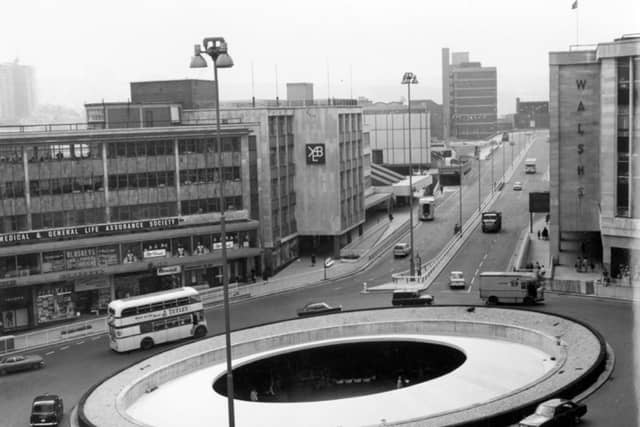


But many may be unaware of the story and the tragedy that led to the construction of Sheffield’s Hole in the Road.
We have put together a gallery that explains the story of how the city came to have the famous Castle Square subway, and how it was finally lost to the city less than 30 years after it was opened.
These photos, taken from The Star’s archives and from pictures courtesy of Sheffield Council’s Picture Sheffield archive, aim to bring the Hole in the Road’s story to life.
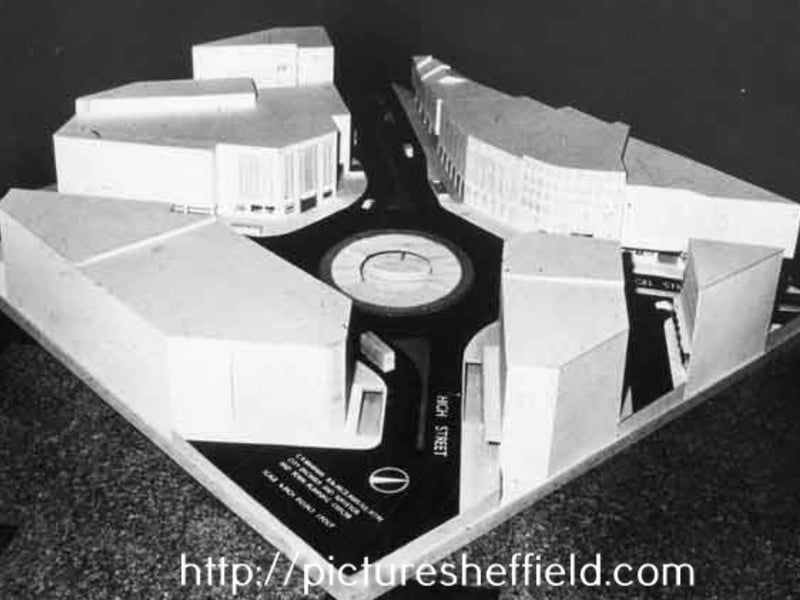
5. Architects model
Plans were drawn up for the future of the site, many looking to base this around the growth in cars. Castle Square roundabout was to be the end of a new dual carriageway at Arundel Gate, with underground passages linking beneath for pedestrians, making it easy for them to get about. Architects created a model of their vision for the Hole in the Road, pictured here. Photo: Sheffield Council / Picture Sheffield | Sheffield Council / Picture Sheffield Photo: Sheffield Council / Picture Sheffield
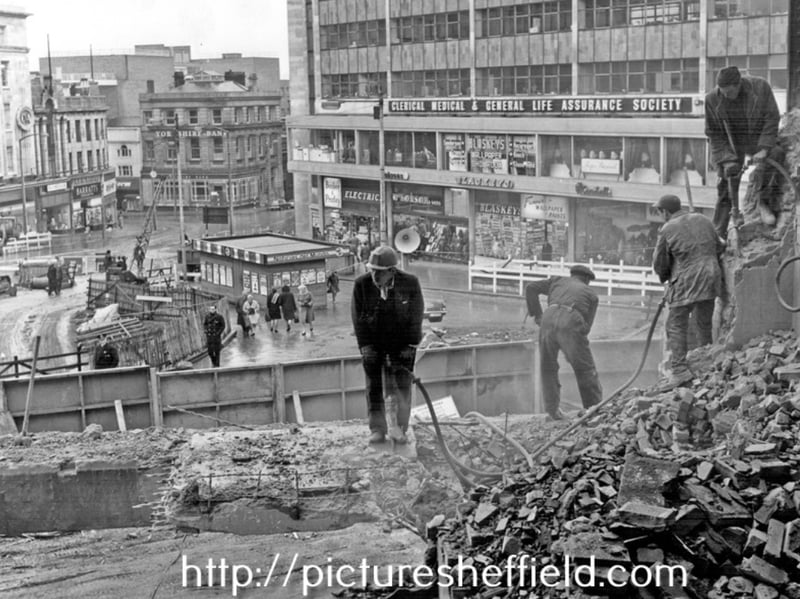
6. Road widening
Roads had to be widened to fit in with the plans that were drawn up. This picture, taken by The Star, shows work to widen the roads for the new roundabout. Photo: Sheffield Newspapers / Picture Sheffield | Sheffield Newspapers / Picture Sheffield Photo: Sheffield Newspapers / Picture Sheffield
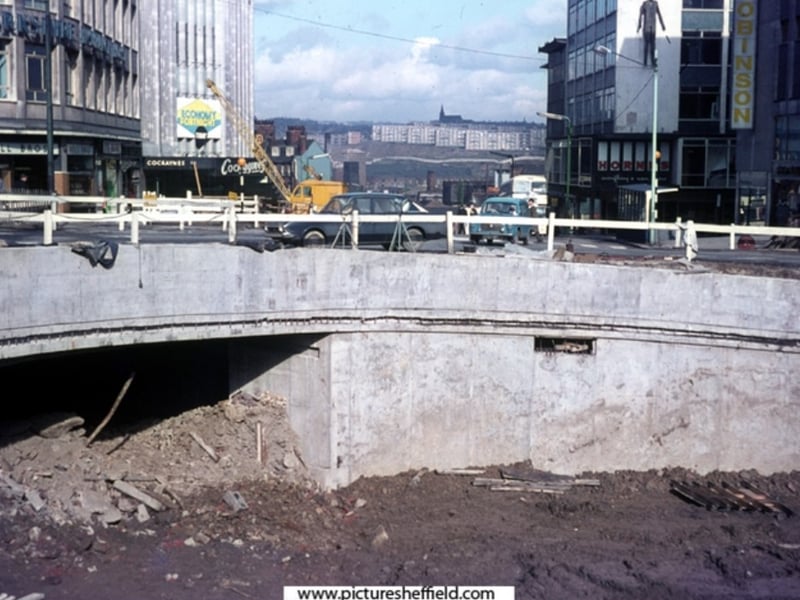
7. Under construction
Construction was soon underway of the main 'Hole in the Road'. Photo: Brian J Armstrong / Picture Sheffield | Brian J Armstrong / Picture Sheffield Photo: Brian J Armstrong / Picture Sheffield
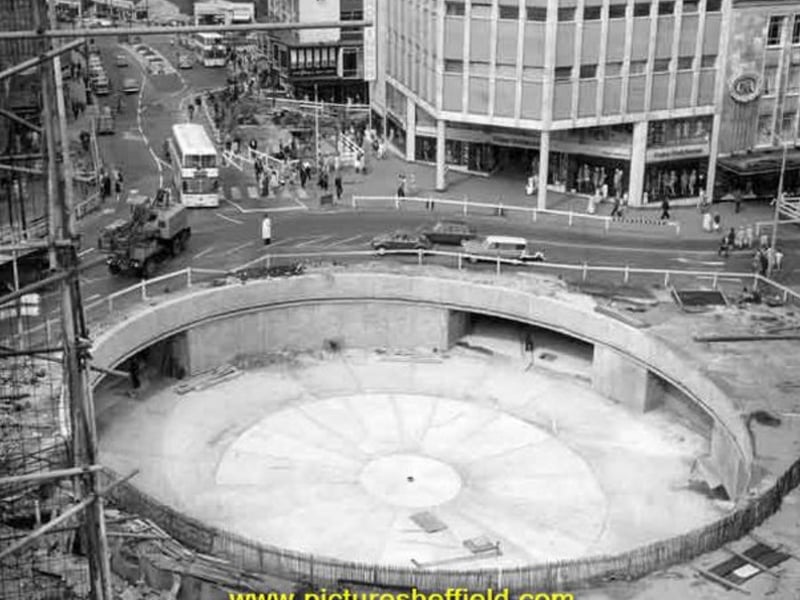
8. Taking shape
The Star took this picture of the site under contruction in July 1967, showing the tunnels taking shape. Photo: Sheffield Newspapers / Picture Sheffield | Sheffield Newspapers / Picture Sheffield Photo: Sheffield Newspapers / Picture Sheffield