

If you have grown up in Sheffield, you will be familiar with these streets and places but may have wondered what the story is behind them.
We’ve picked out some of the South Yorkshire city’s most famous places and streets to give context as to why they are called what they are.
Don’t miss out on the city’s biggest stories with our daily newsletter, which highlights the latest news. From breaking news to crime, business, local politics, sport and more.
Here are nine famous Sheffield street and place names and the history behind them.

1. Famous Sheffield places
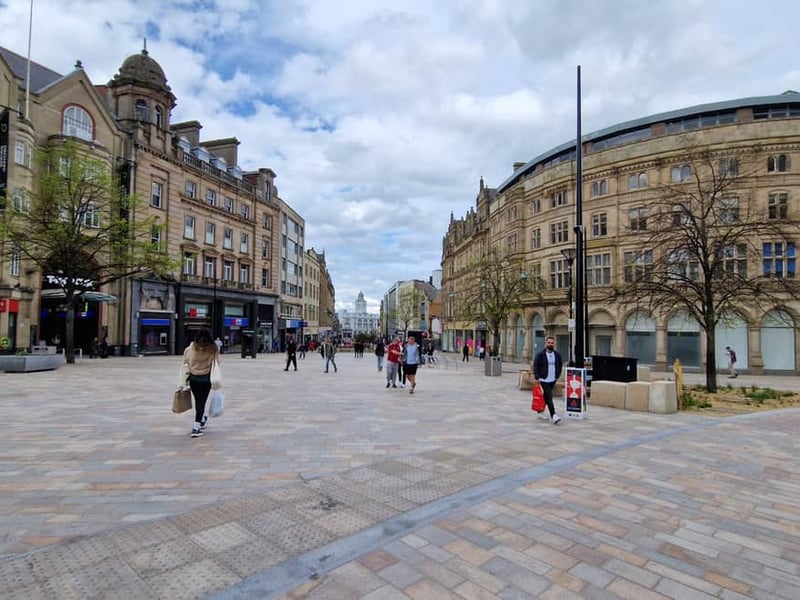
Ever wondered where some of those Sheffield street and place names, like Fargate, pictured here, come from? Here are some of the answers | Picture Sheffield Photo: Picture Sheffield
2. Fargate
Pedestrianised in 1973, Fargate was for years the pedestrianised retail heart of Sheffield city centre, home of big chains. But references to the famous street date back to 1832, when Joseph Woolhouse, in A Description of the Town of Sheffield, described a building called The Lords House, at the junction with Norfolk Row, which he described as the birthplace of the then Duke of Norfolk. More recently, it was famous for Coles Corner, once home to a Cole Brothers Department store then the Burger King now is, and for the Goodwin Fountain, which stood at the top of the road from from 1961 until 1998. It is believed to be called Fargate because it was home of the gate furthest from Sheffield castle. | NW Photo: DW
3. The Moor
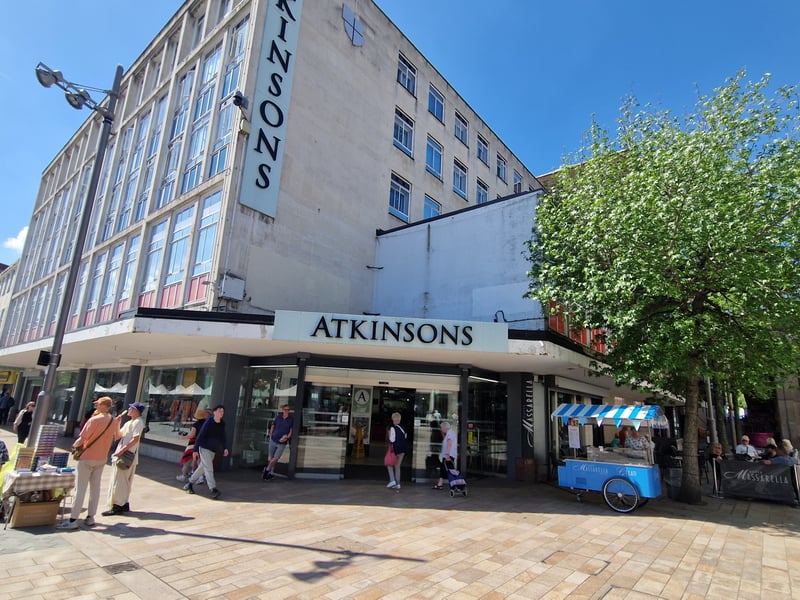
The Moor has been pedestrianised since 1979, and has for years been another of the city's main shopping streets. It remains home to the city's Atkinson's department store. Much of it was re-built in the 1950s because of bomb damage caused in World War Two, and for generations the top of The Moor was home to a towering memorial to the Crimean War. Back in the early 1800s, it is said to have been called South Street, and its present name is said to come from the wild, boggy area once called Sheffield Moor | DW Photo: DW
4. Leopold Street
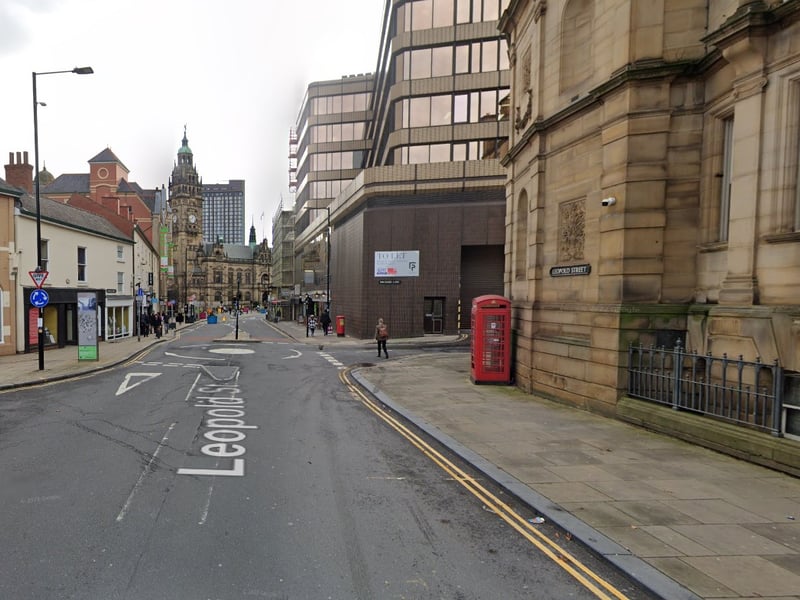
Leopold Street, site of the beautiful Leopold Hotel, dates back to the late 1800s. And the hotel was until comparatively recently used as council offices, and was home the Sheffield's education department. It was named after Prince Leopold, Duke of Albany, who was youngest son of Queen Victoria, who opened Firth College there. | Google