
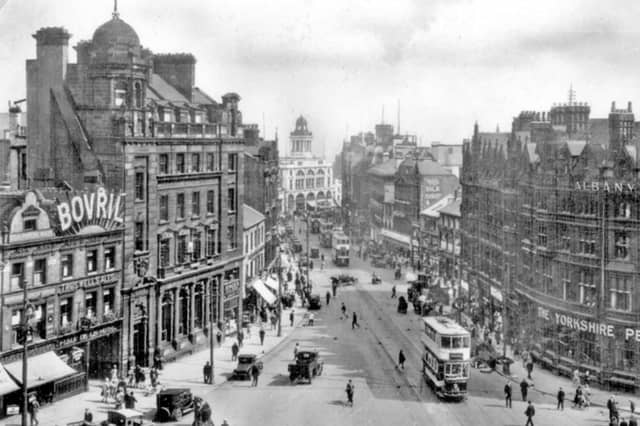


If you have grown up in Sheffield, you will be familiar with these streets and places but may have wondered what the story is behind them.
We’ve picked out some of the South Yorkshire city’s most famous places and streets to give context as to why they are called what they are.
Don’t miss out on the city’s biggest stories with our daily newsletter, which highlights the latest news. From breaking news to crime, business, local politics, sport and more.
Here are nine famous Sheffield street and place names and the history behind them.
5. Haymarket
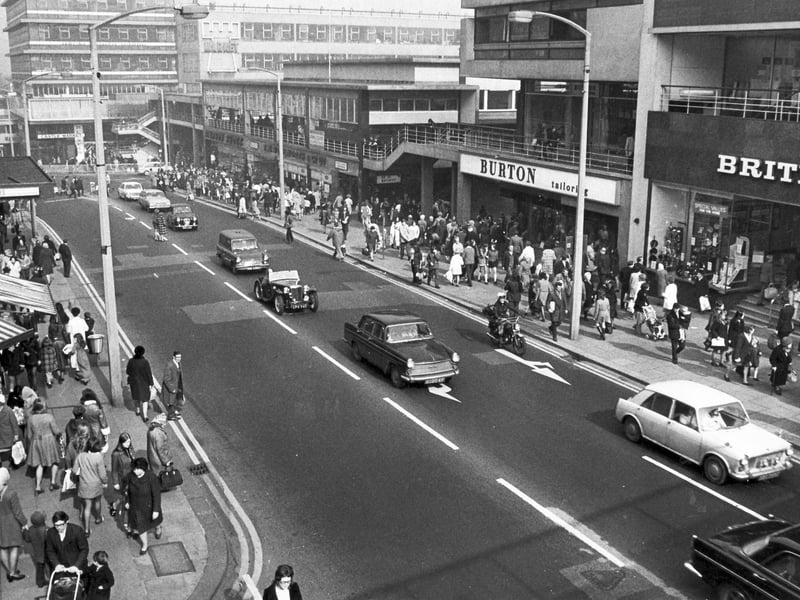
Haymarket, pictured here in the 1970s, was one of the earliest in Sheffield, and the location of the town's markets, first mentioned in 1296, later becoming known for the sale of hay, hence its modern name. It was once home to the beautiful Norfolk Market Hall, which operated from for 100 years until the late 1950s. Photo: Sheffield Newspapers

6. Castle Street
Castle Street, now largely largely dominated by modern looking building gets its name from its position next to the site of the old Sheffield Castle. The far end of Castle Street, near what is now called the Old Town Hall, is where the castle was located. The Old Town Hall itself, on the corner of Castle Street, was once one of the most important public buildings in the city, and was the city's crown court until the 1990s. Photo: Google | Google Photo: Google
7. West Street
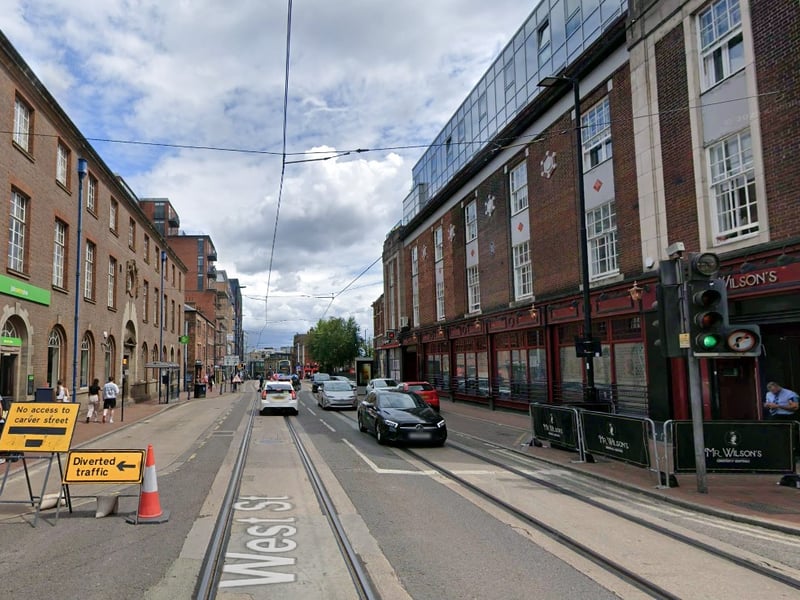
West Street is one of Sheffield's best known streets, and has a place in film history as the location of the job centre which features in a scene in The Full Monty. For decades it has been one of the city's main party streets with its pubs and bars. It was also once home to Sheffield Royal Hospital, before it closed in 1978, with its site demolished in 1981. However it has not always been West Street - it once went by the name of Bow Street. | Google Photo: Google

8. The Wicker
Famed for it's iconic railway arches, The Wicker is one of the most recognisable roads in Sheffield. The first railway station in Sheffield, was Wicker Station, opened in 1838, There are references to The Wicker dating back to the 1500s, when it was an open space used for sports and archery practice. It has been suggested that its name comes from the trees that grew in the area. The English Place Name Society believes the word is from the Old Norse vikir which means a willow. Photo: Google | Google Photo: Google