
From humble beginnings to engineering success: Terry Lee's Sheffield story
"I thought it was the most exciting week of my life."
Terry Lee can remember leaving school with two pairs of trousers, a pair of jeans and two pairs of shoes.

One pair was for knocking about in. The other was kept for best.
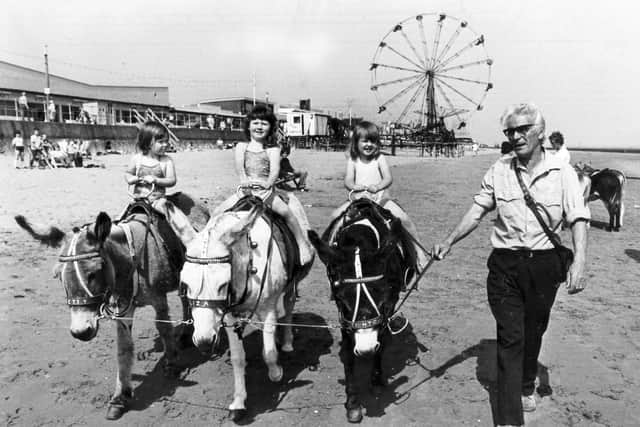
His first proper family holiday came when he was 16. His father loaded the children, cases and a mattress into the back of an Escort van and drove them to a chalet in Cleethorpes.
"I thought it was the most exciting week of my life."
There had never been much money. What Terry insists there had been was everything that mattered.
"We were poor. Really poor, when I look back now. But I never thought we were because I had loving parents.”
Half a century later, Terry is an owner and director of one of Sheffield's long-established engineering manufacturers, having spent his working life moving from apprentice toolmaker to production manager, turnaround specialist and business owner.
Yet the management philosophy he eventually developed owes remarkably little to textbooks.
Treat everybody properly. Surround yourself with people who know things you don't. Listen to them. And never assume the man in the biggest office has the best answer.
"It's not rocket science," he says.
Terry was born in Canterbury, where his Sheffield-born father was serving in the Army.
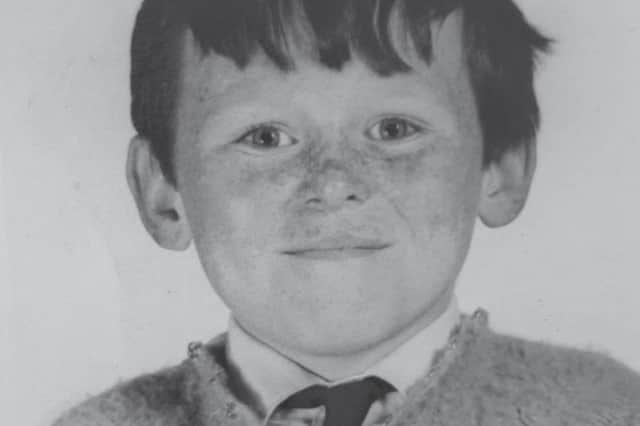
When Terry was about four, the family moved north. At first, Seven of them squeezed into his grandmother's three-bedroom house on Erskine Road, Arbourthorne.
Later came a prefab, then the Wybourn. Five children shared a modest council house.
🎞️ Did you enjoy this fond look back to the Sheffield in the past? Well, why don't you sign up to our free retro newsletter.
Only recently did Terry realise why, as a boy, he had always watched television from the floor.
"There weren't enough chairs. We had a three-piece suite. Mum and Dad had chairs. There were five kids. Somebody had to sit on the floor."
He attended local Catholic schools before winning a place at De La Salle.
"I think I was the only kid there getting free dinners."
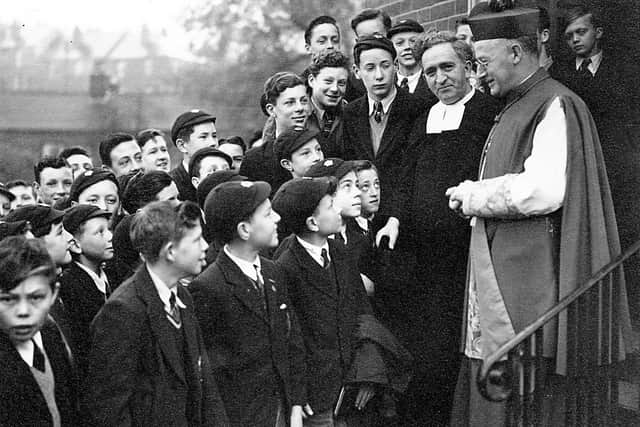
Each year his mother took a council voucher into town to obtain the clothes. Again, there was little sense of embarrassment.
"It was just normal."
His father laboured on building and demolition sites. His mother raised five children and fitted part-time work around them. What the family lacked financially was compensated for in solidarity.
Decades later, when one of Terry's sister moved house, around 15 relatives turned up to help.
"That's just what we do. There's a problem. How are we going to solve it?"
It is not difficult to see where the engineer came from.
At 16, Terry had a decision to make.
Stay at school or take an apprenticeship in Sheffield industry. His father supported the job on one condition.
"He said, 'You can take it as long as they let you go to college'."
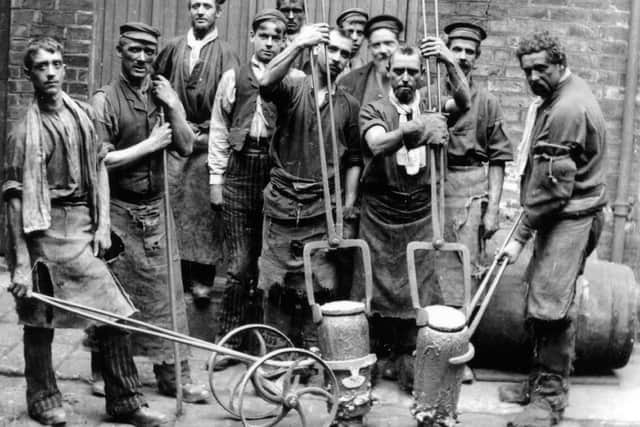
Terry became a toolmaking apprentice and continued studying. At around 21 he won the company's apprentice award.
The works manager, Derek Spencer, asked about the project Terry had completed for his studies.
He had designed a key-cutting lathe.
"Next day he asked me to bring the dissertation for this project upstairs. I was terrified."
When Terry failed to appear, a message came down asking where he was. Eventually he took the work upstairs.
A few days later it came back professionally typed and presented in a leather folder. Spencer had ordered his secretary to prepare it properly for Terry's final submission.
The young apprentice had been noticed.
Six months later Spencer approached him again. A new production area was being established and he wanted Terry to run it.
"I said, 'I've just spent four years learning to be a toolmaker'.
"He said, 'You don't want to be doing toolmaking all your life. You need to spread your wings'."
More responsibility followed. By around 30, Terry says he was managing production and dozens of employees.
"I had no formal management training. I was just learning."
Terry moved through engineering companies, including Thomas Turton, taking on progressively broader management responsibilities.
The work became less about engineering and more about finance, people and strategy.
"I realised I was getting into things where I was out of my depth. And I don't like being out of my depth."
So, at 40, with a young daughter, a new house and a demanding job, he went back into education to study business.
That helped him recognise the value of the experience he had already accumulated.
A subsequent senior role at Microblade gave him the opportunity to test himself.
Terry says the Sheffield operation was losing money when he arrived. Over several years he helped turn it around until it was profitable.
Engineering is only part of the story.
Terry is also a Northern Soul DJ normally billed as "the infamous Terry Lee".
He presents a regular soul show and DJs around Sheffield.His musical memories provide their own Sheffield history.
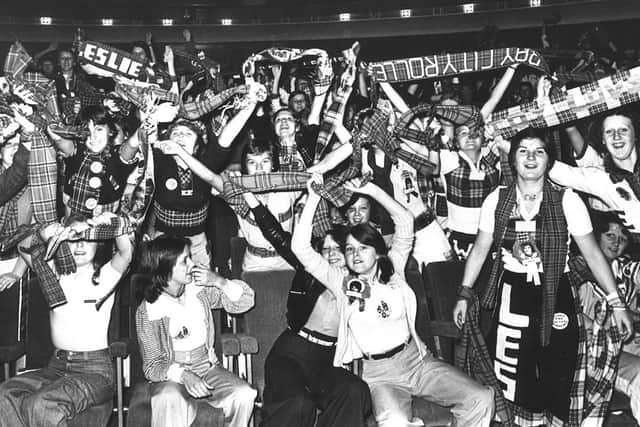
He saw Devo at the City Hall.
The B52s at The Limit.
The Damned. Buzzcocks.
Tenpole Tudor playing to a tiny crowd.
Those nights stayed with him.
So has football.
Terry initially resisted walking football before discovering how technically demanding it could be. He now captains an England over-65s side and recalls lifting a world championship trophy in Malmo in 2025.
He never forgot the people who gave him opportunities.Or the home where children sat on the floor because there were not enough chairs.
"I never felt poor," he says. "We were a happy family. We looked after each other."
His business philosophy is really an extension of the same thing.
- You can read Terry Lee's full story in Neil Anderson's book: How Sheffield Made Itself Again: Steel City Survivors. Profits from the book are supporting youth homelessness charity Roundabout. Visit www.dirtystopouts.com