
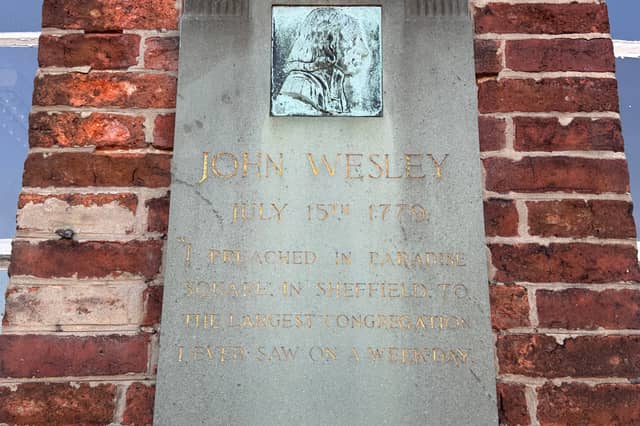

Built between 1736 and 1790, Paradise Square in the city centre is Sheffield’s only surviving Georgian square.
In this gallery we take a look at the site where the founder of Methodism once preached, part of a rich history going back 290-years.
Historically, Paradise Square in Sheffield was not originally a square at all. The adjoining Paradise Street was initially called Workhouse Lane, as it led to the local poorhouse in West Bar.
According to Sheffield City Council's website: "When the square became inhabited by professional men, this clearly would ‘not do’; the street was renamed Paradise Street."
Its first five houses were built on the east side by Nicholas Broadbent in 1736.
In 1771, his grandson, Thomas Broadbent, leased the remaining land and completed the square with Palladian-fronted townhouses inspired by Venetian architect Andrea Palladio.
🎞️ Did you enjoy this fond look back to the Sheffield in the past? Well, why don't you sign up to our free retro newsletter.
Early residents were upper-middle-class professionals, artists, and merchants, including physician David Danial Davis at No. 12 and Derbyshire-born sculptor Sir Francis Chantrey at No. 24.
Chantrey became Regency Britain's leading portrait sculptor, creating monuments of King George III, King George IV, and George Washington.
During the 18th and 19th centuries, the square served as Sheffield's primary open-air venue for diverse political assemblies, religious sermons, Chartist meetings, elections, and public events.
The founder of Methodism John Wesley preached in Sheffield on many occasions in Paradise Square.
An Anglican minister, John Wesley was Christian teacher who founded the Methodist Church with his brother Charles.
Over time, it transitioned into a hub for local pubs, schools, a pot market, and, in 1880, The House of Help for Friendless Girls and Young Women - which inspired Sheffield author Joanne Clague's novel, The House of Hope.
Despite bomb damage during WWII, extensive restoration from 1963 to 1966 preserved these historic Georgian buildings and secured their Grade II-listed status.
Today, the square primarily houses commercial offices and professional firms, and formerly featured the Wig & Pen bar and restaurant.
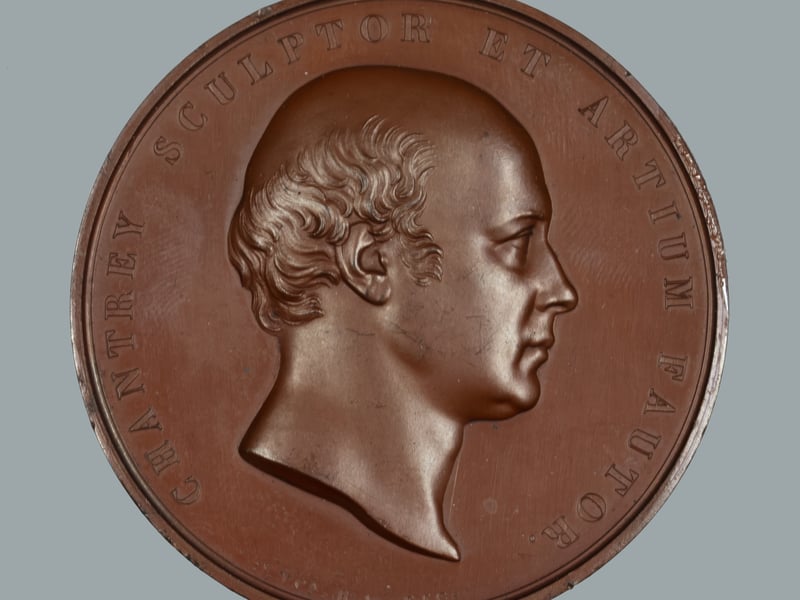
1. Sir Francis Chantrey, Art Union of London medal, 1843.
Profile portrait of British sculptor and painter Francis Legatt Chantrey (1781-1841). Creator: William Wyon. | Getty Images Photo: Photo by Royal Academy of Arts, London/Heritage Images via Getty Images
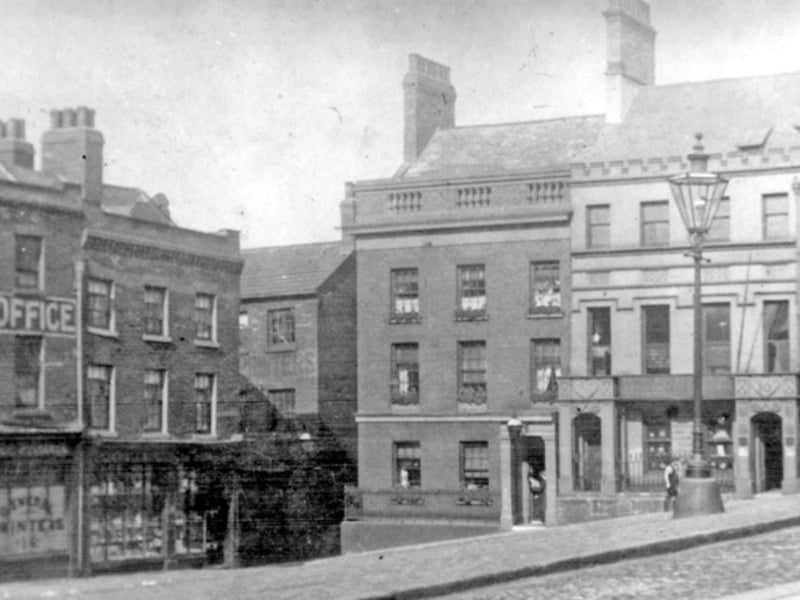
2. Paradise Square
Paradise Square, Sheffield, in 1895, when The House of Help for Friendless Girls and Young Women was located there, This photo shows numbers 10-16 and not number 1, which was the address of the charitable institution | Picture Sheffield
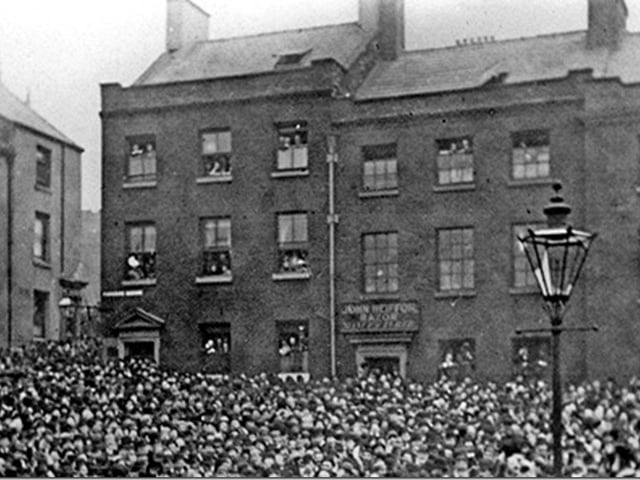
3. Origin and date unknown
Un-dated photo of Paradise Square, likely sometime in the early 1900s
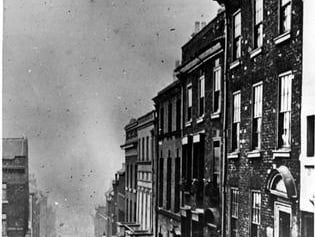
4. Paradise Square was popular for public speaking
Mark believes people can learn a lot from history. Paradise Square in Sheffield was a central site for meetings and demonstrations in the 18th and 19th century, which often called for a more equal society. Pictured: Paradise Street from Paradise Square, 1900-1919.