

Built between 1736 and 1790, Paradise Square in the city centre is Sheffield’s only surviving Georgian square.
In this gallery we take a look at the site where the founder of Methodism once preached, part of a rich history going back 290-years.
Historically, Paradise Square in Sheffield was not originally a square at all. The adjoining Paradise Street was initially called Workhouse Lane, as it led to the local poorhouse in West Bar.
According to Sheffield City Council's website: "When the square became inhabited by professional men, this clearly would ‘not do’; the street was renamed Paradise Street."
Its first five houses were built on the east side by Nicholas Broadbent in 1736.
In 1771, his grandson, Thomas Broadbent, leased the remaining land and completed the square with Palladian-fronted townhouses inspired by Venetian architect Andrea Palladio.
🎞️ Did you enjoy this fond look back to the Sheffield in the past? Well, why don't you sign up to our free retro newsletter.
Early residents were upper-middle-class professionals, artists, and merchants, including physician David Danial Davis at No. 12 and Derbyshire-born sculptor Sir Francis Chantrey at No. 24.
Chantrey became Regency Britain's leading portrait sculptor, creating monuments of King George III, King George IV, and George Washington.
During the 18th and 19th centuries, the square served as Sheffield's primary open-air venue for diverse political assemblies, religious sermons, Chartist meetings, elections, and public events.
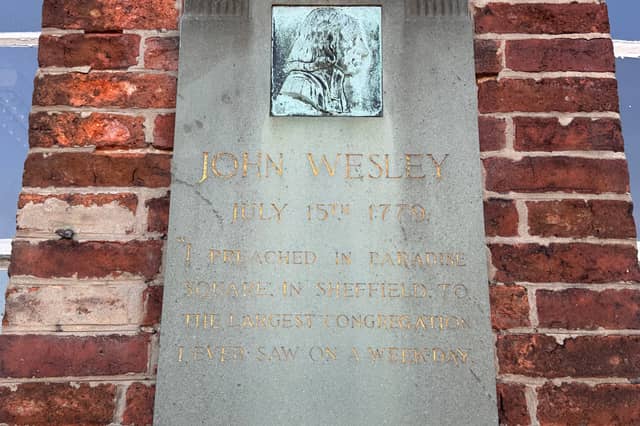
The founder of Methodism John Wesley preached in Sheffield on many occasions in Paradise Square.
An Anglican minister, John Wesley was Christian teacher who founded the Methodist Church with his brother Charles.
Over time, it transitioned into a hub for local pubs, schools, a pot market, and, in 1880, The House of Help for Friendless Girls and Young Women - which inspired Sheffield author Joanne Clague's novel, The House of Hope.
Despite bomb damage during WWII, extensive restoration from 1963 to 1966 preserved these historic Georgian buildings and secured their Grade II-listed status.
Today, the square primarily houses commercial offices and professional firms, and formerly featured the Wig & Pen bar and restaurant.
5. 2026_10_06_15_02_35_626_ASH_E1F4AF201B1A4607B3DD6B61A37451F9.JPG
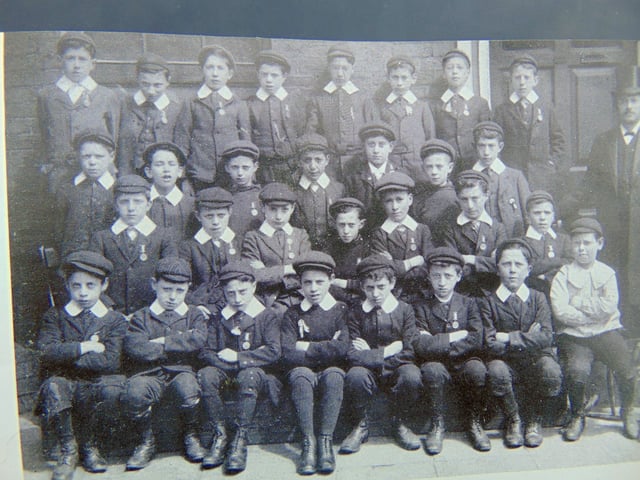
Boy pupils at the Talmud Torah, the Hebrew school in Paradise Square that opened in 1904, dressed in their best with 1910 coronation medals proudly pinned on | Other 3rd Party
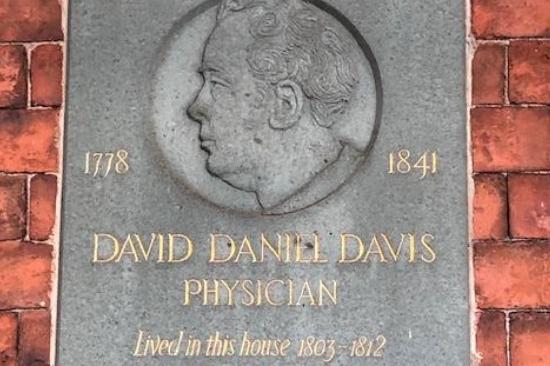
6. Little-known Sheffield physician Daniel David Davis certainly should give the city a reason to be proud
Little-known Sheffield physician Daniel David Davis certainly gave the city a reason to be proud. This man's plaque can be found on Paradise Square, in Sheffield city centre, where he lived between 1803 and 1812 and it commemorates his involvement as an attending physician in assisting in the birth of of Queen Victoria. Dr Davis was also renowned for translating Pinels Treatise on Insanity.
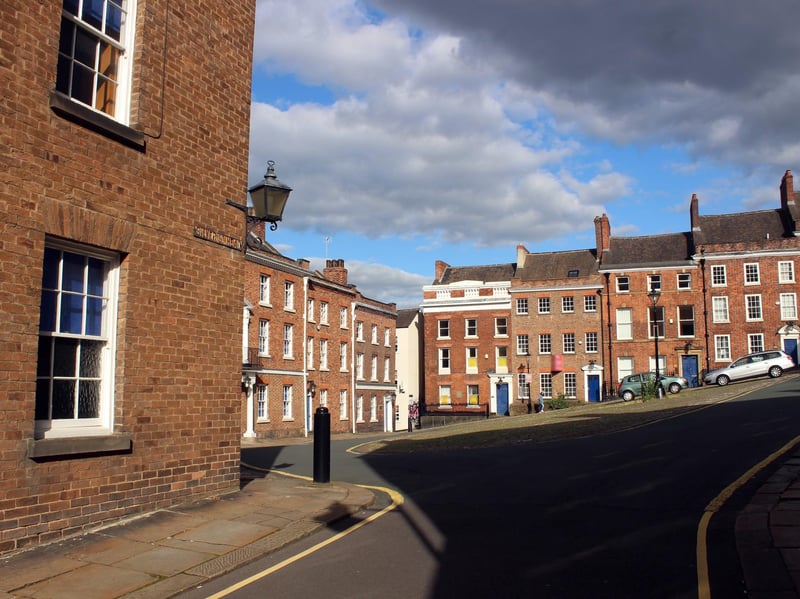
7. Preachers used to convene here
John Wesley preached to one of his largest crowds in Paradise Square, Sheffield
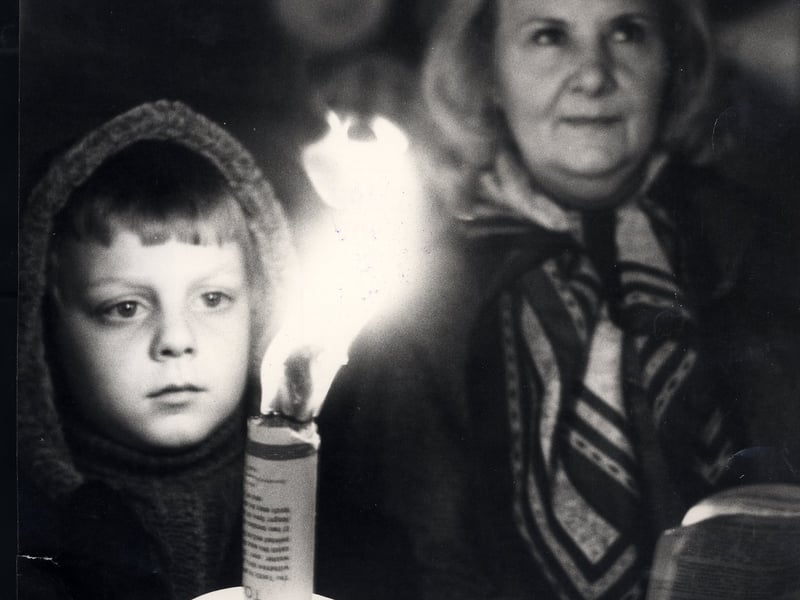
8. Carol service
Eight-year-old Jason Oldale and grandma Muriel Oldale, of Jaunty Way, Gleadless, at the torchlit carol service in Paradise Square, Sheffield, on December 27, 1978 | Sheffield Newspapers Ltd