
Only one in 10 Brits feel comfortable checking in on someone's wellbeing
Samaritans have interrupted people’s days with graffiti designed to encourage them to ‘reach in’ and help those experiencing suicidal thoughts.
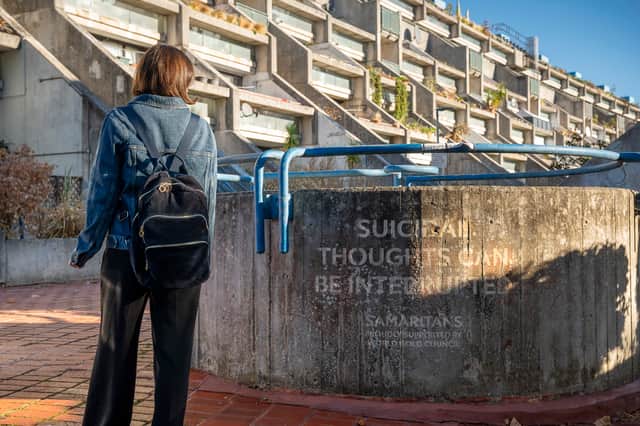
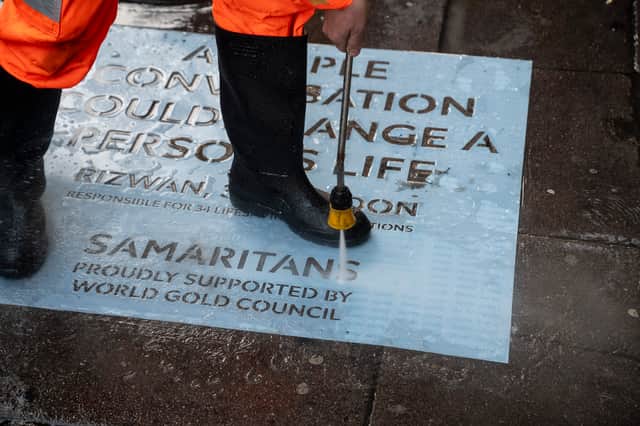
Five quotes appeared in locations across London, featuring a message from someone who was in the darkest of places - but saved by a timely intervention.
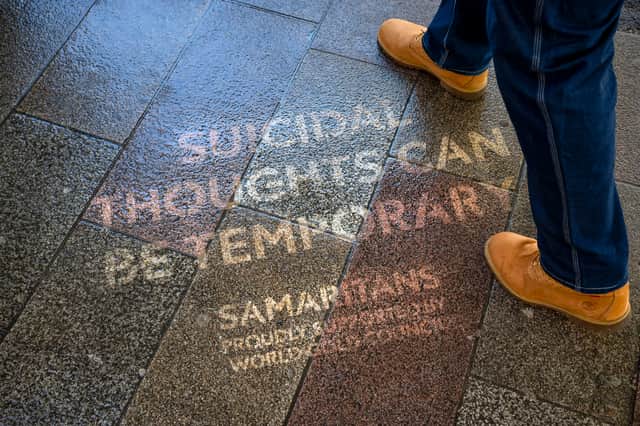

Created using reverse graffiti, the quotes make a striking statement, measuring 1m by 1m on pavements in the likes of Camden High Street and Whitfield Gardens.
One in four people will experience suicidal thoughts in their lifetime and so it’s likely that anyone seeing the messages will know someone struggling.
The new campaign aims to show how a simple act of connection could help save a life, encouraging people to reach out to those they are concerned about to interrupt any possible suicidal thoughts.
It forms part of the World Gold Council's partnership with Samaritans, shining a light on the charity's life-saving work while helping more people understand the role they can play in supporting someone who may be struggling.
It comes after research commissioned by the charity found only one in 10 Brits feel comfortable intervening if they are concerned about someone's wellbeing. Julie Bentley, CEO of Samaritans, said: “Suicidal thoughts can be interrupted, and this is hugely important.
“This campaign is all about reminding people as they go about their daily lives that a small interruption can make a huge difference.
“If you think someone might be struggling or experiencing suicidal thoughts, don’t worry about saying the perfect thing just interrupt and ask if they’re OK, it could be life-saving.
"The study of 2,000 adults found 32 per cent fear they would say the wrong thing, while 18 per cent don't know how to help after reaching out.
But 14 per cent worry about damaging the relationship, while a third fear potentially making the situation worse, and 27 per cent wouldn’t want to invade their privacy.
It also emerged 29 per cent regret not reaching out to someone in need, however, 85 per cent believe a simple conversation can have a positive impact on someone who is struggling.Despite this, 32 per cent wouldn’t be confident recognising signs that someone might be struggling emotionally.
Half would be prompted by a noticeable change in behaviour, but only 15 per cent would reach out based on something the person in question said.
Of those who regretted not offering help to someone who was potentially going through a difficult time, 30 per cent were concerned about how they might react.But 31 per cent admitted they were dealing with their own issues at the time.
The OnePoll.com data also revealed 37 per cent believe, as a society, we have become less caring of others over the past 10 years – compared to 26 per cent who say the opposite.While 79 per cent think British culture can make people reluctant to interrupt or get involved in other people’s personal matters.
Finding the mental health conversation uncomfortable (44 per cent), worrying about offending someone (45 per cent), and assuming someone else will step in (29 per cent) were also among the reasons for not stepping in.
To help people feel more confident supporting someone struggling, 48 per cent believe there needs to be better public education, while 52 per cent would like to see more awareness campaigns.
James Spake, Global Marketing Head for EMEA, World Gold Council, said: “It can be hard to know what to say when we are worried about someone.
“The Interruptions campaign is an important reminder that being there to show someone you care, can make all the difference.“We are proud to support Samaritans in sharing that message.”