
Pennine tunnel plans revived by firm offering to blow a hole in £12bn cost

The firm says Scandinavian tunnelling methods could cut the cost
Plans for a Pennine tunnel have been revived by a start-up offering a cut-price method using explosives.
The firm says Scandinavian tunnelling methods could cut the cost of a proposed dual carriageway connecting Sheffield and Manchester by as much as 90 per cent, The Times reports.
Plans for a Pennine tunnel were dropped in 2021 due to the estimated £12bn cost.

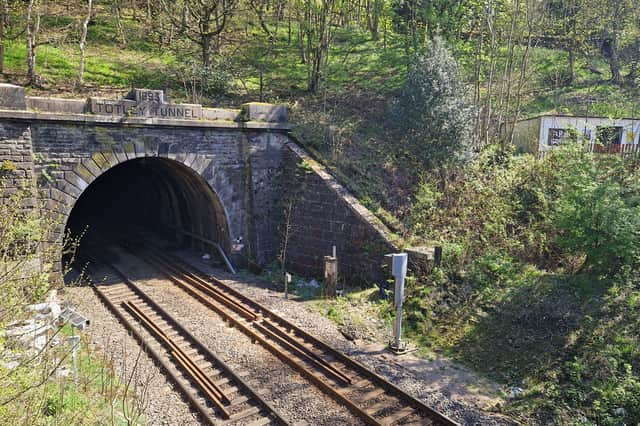
Now, a new company called Future Works claims it could do it 90 per cent cheaper by blasting, not boring. The same method was used in the 19th-century to create rail tunnels in the Pennines that are still used today.
The prize is £500m of annual productivity benefits in Manchester alone, according to the DfT.
Michael Dnes, co-founder of Future Works, said: “The proposition seems genuinely too good to be true.
“It strains credulity to think we can save 80-90 per cent on tunnelling costs. But the fact remains that Norwegians are building dual carriageways 400m under the sea for less than we build them on land — so belief is justified.
“This really is a serious technology that’s been used for building more than a thousand tunnels in Scandinavia, and that from what we can tell from desk research, it can work here and can make a big difference to what it’ll cost.”
The distance between Manchester and Sheffield is about 40 miles.
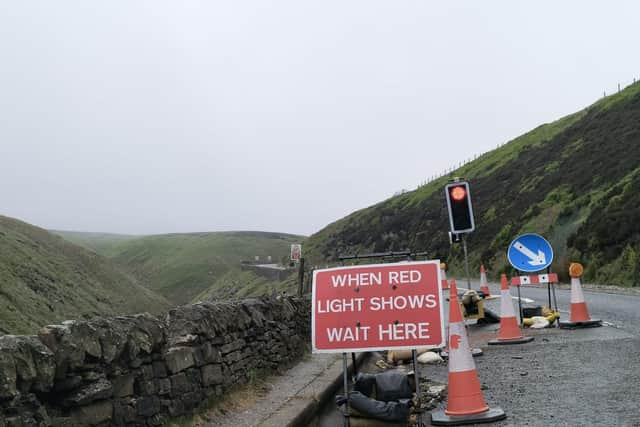
Roads across the Peak District National Park - the Snake Pass and Woodhead Pass - are single lane and frequently closed by bad weather or crashes.
The Snake Pass sees about 30,000 vehicles a week. It currently has two sets of lights, where the road is down to one lane, and a 7.5 tonne weight limit.
Last month, it was closed for 18 days of landslip investigation works.