
FGM survivor who nearly died after being cut by dirty razor says she is “free” after life-changing surgery
A female genital mutilation (FGM) survivor who nearly died after she was cut with a dirty razor says she has taken her "power back" after life-changing surgery.
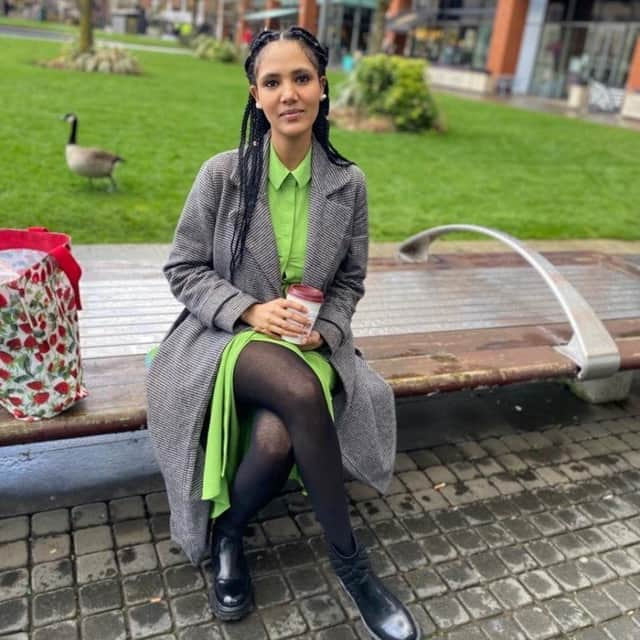
Amani Abdallah, aged 24, was left in agony as a child in Sudan after an FGM procedure.
As an adult, she was left struggling to urinate and in frequent pain, and recently chose to undergo surgery to try and help.
Amani, a student nurse in Sheffield, said: "Having the operation helped me face it. I convinced myself it wasn't my fault. It was out of my control. I have taken my power back.”

She says she remembers, at around six years old, receiving lots of sweets and attention before a group of women took her to some bushes in a field.
She said: "They were sat on my head. I remember them holding me. They were forceful, putting pressure on my arms. I don't remember anything after that at all.
"I remember waking up and my legs were tied with different ropes. I was crying and screaming and I couldn't wee.”
Amani was later told by her family that they had been "preparing for her death" when she got an infection from the procedure.

She said: "Why would you risk a child's life? They think, 'lets cut her genitalia so she can be worthy of marriage'. What kind of human does that?"
"It caused me a lot of pain and pressure.”
She moved to the UK when she was 10 years old, and found out about FGM after a biology class in year seven.
She said: "I remember looking at the textbook at how the vagina looked and I was really confused. I raised my hand and asked 'are all vaginas like that?' They just said, 'yes'."
Amani took her textbook home and started doing research online, where she discovered FGM.
She said: "I watched awareness videos. I was really angry. It brought back a lot of memories. It made me feel less of a woman. It feels like you don't fit in. I felt very isolated. There was a sense of shame.
"I get comments such as 'it's culture'. If you butcher a child, that can't be tradition. Cutting a child's genitals is not culture.
Amani met her partner, Ali, aged 27, a business owner, in 2020, and started looking into surgery options when she fell pregnant with her daughter.
She said: "I didn't let them do physical examinations on me. I didn't let the midwives touch me, as my FGM was done by a woman. They were very cautious with me."
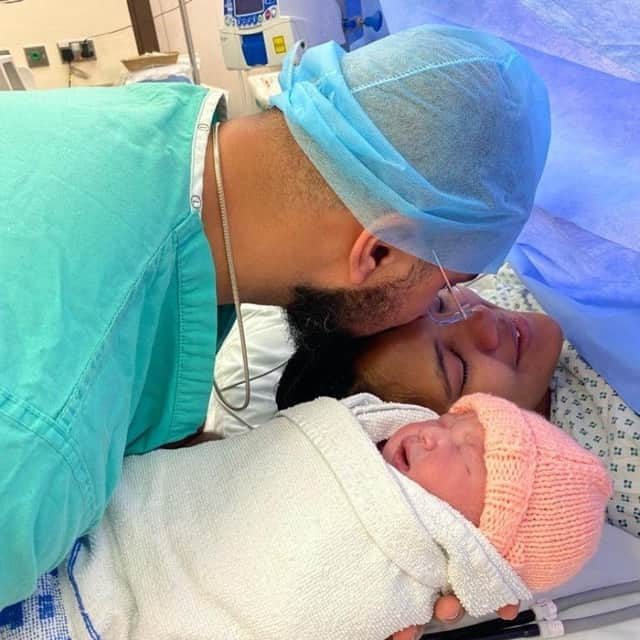
Amani opted to have a c-section on July 4, 2023.
She said: "When I had her I was really emotional.
“I didn't want to be reminded of my childhood anymore. Having my daughter motivated me."
Amani underwent deinfibulation in November 2023, a surgery to reverse some of the narrowing caused by the FGM.
She said: "It was really scary. It was re-traumatising [but] now I feel free.
"I can pee so fast - before, I had to sit there for hours. My relationship is healthier now.
“I don't feel like a victim anymore. I always use the word survivor."
Amani now shares her story on TikTok to help others, and hopes to start a non-profit organisation in the future.