
Sheffield charity shops hit by Vinted boom as donations and quality drop
New research has shown charity shops are struggling as reselling platforms rise in popularity
Sheffield charity shops are seeing a drop in the quality of donations as more people turn to Vinted to make money from their unwanted clothes.
Staff at charity shops in the city say they have noticed a change over the past year, with people increasingly selling their better items online rather than giving them away.

It comes as new research by Rathbones found charity shops across the UK are facing a similar squeeze, with almost two in five charity bosses saying the quality of donations has fallen since the rise of Vinted, eBay and Depop.
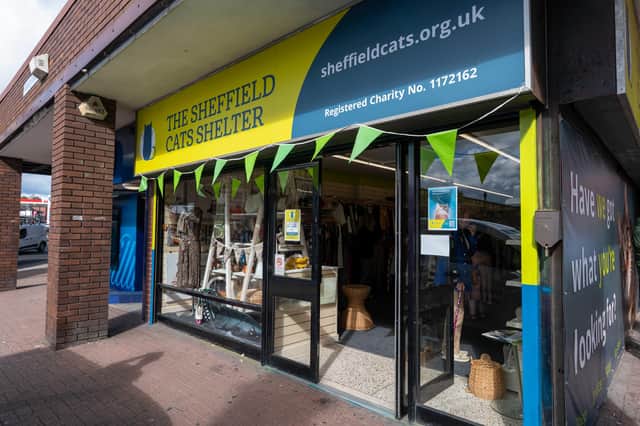
Daveen, who works at Chapeltown Cats Shelter charity shop, said she had noticed the change over the past year.
“It’s probably been the last year we started to notice. I’ve worked in different charity shops, and we noticed a decline and drop.
“Even my old manager at my old charity shop said he sells his stuff on Vinted.”
She believes the cost of living is one of the reasons people are choosing to sell rather than donate.
“I think the cost of living, people now are just trying to bring in more money for themselves - and it is so easy, I’ve done it myself.”
The charity shop also sees people buying items to resell online.
“We also get resellers in. I know some charities are funny about that, but for me, if they’re paying for it and money goes in the till then I’m happy with that. If they want to resell, they bought it, it’s theirs,” she said.
She said the problem comes when people try to drive down prices specifically so they can make more money from reselling.
“It’s only when people come in and try to knock you down for that purpose.”
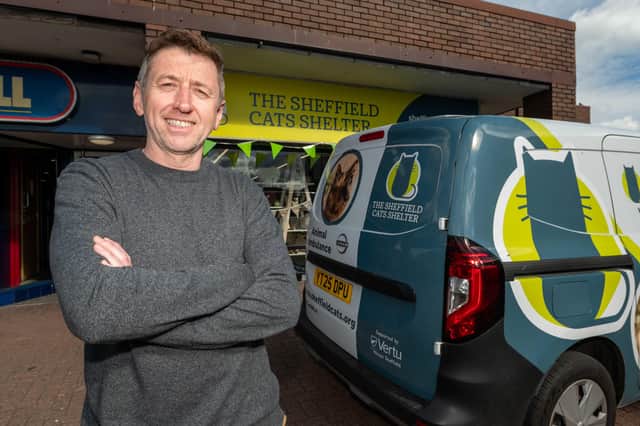
Steven King, fundraising manager at Sheffield Cat Shelter, said he had noticed the change while working in charity shops across the city.
“Unfortunately, the quality of donations has fallen, which I completely understand. There’s a cost-of-living crisis, with people wanting to earn more money, but this is having a negative effect on the charity sector.”
He said the cost-of-living crisis was creating a “perfect storm” for charities, with people having less money to spend, while the cost of running charities continues to rise.
“People have less disposable income, but charity costs are also just going up,” he said.
“We’ve noticed even our boutique shops, in the nice areas where you get good donations, it all came to a grinding halt with Vinted becoming more popular.”
The problem comes as charities face rising costs from several directions.
Daveen said: “Sometimes it is nice to earn that little bit, but remember we are still here and need your donations.”
Steven said even donating some of the items people would otherwise sell could make a significant difference.
“Even if one in five items you sold on Vinted you gave to a charity shop instead, that would make a difference, because we are having to raise more money just to stand still,” he said.
The Rathbones research found 49 per cent of people surveyed said online resale platforms had affected what they donate, while 21 per cent said they now give slightly less because they keep their best items to sell online.
But the rise of Vinted has not been entirely negative for charity shops.
Steven said the popularity of second-hand shopping had helped make it “cool”, particularly among younger people.
“When I was younger, you’d brag about how much you spent. Now it is about how little you can get it for.”
Steven said younger people were also increasingly conscious of the environmental benefits of buying second-hand.
“My daughter, for example, won’t buy anything new. She says someone’s already bought it, so will wait until they’re bored of it and buy it off them – better for the environment and finances.”
The British Heart Foundation said resale platforms had helped grow interest in second-hand shopping, which it said was “positive for the whole reuse sector”.
Mik Parkin, Area Manager at British Heart Foundation, said: “Resale platforms like Vinted have helped grow interest in secondhand shopping, which is positive for the whole reuse sector, and we continue to see strong demand for quality preloved items across our shops.”
He added: “We're incredibly grateful to the Sheffield community for continuing to shop, donate and volunteer with us. Every item donated or bought helps fund lifesaving research into cardiovascular disease.”