
“Seeing cows in fields will be rare” local farmer on drought following heatwaves

“The future of the dairy business was unstable before and this has only made it worse.”
A Barnsley farm owner has said farmers are going to see the biggest effects of the heatwave on their businesses in early 2027.
The latest heatwaves and droughts have brought about discussion on the impact on food security, as intense heat stunts crop growth and stresses animals, causing reduced harvests and lower milk production.
Jimmy Dickinson, owner of Tyers Hall Farm in Barnsley and Longley Farm in Holmfirth, has said they are already feeling the effects of the heat on the business.
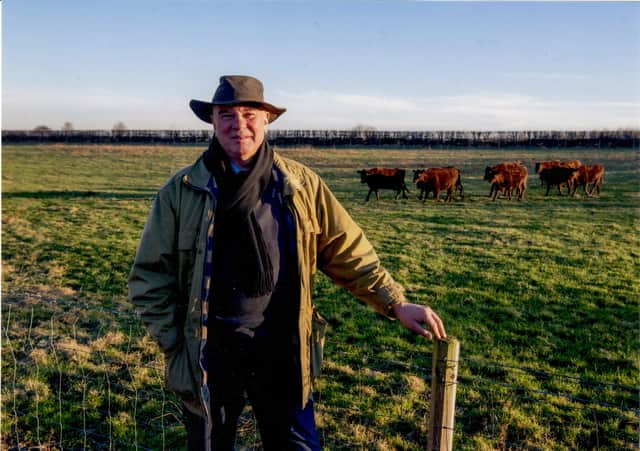

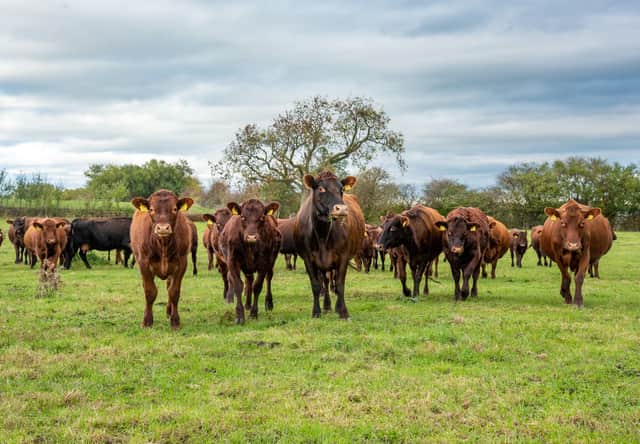
Tyers Hall Farm, a livestock and arable farm, is home to just shy of 200 Jersey milking cows, as well as Red Poll cows.
“We are having to use food stores for the cows which were earmarked for winter,” he said.
“The grass growth has slowed, the fields are dead basically, so milk production has declined.”
Farmers like himself have had to move their cows inside earlier in the season than usual, because the heat is distressing the cows.
He said the current worry from farmers is they may have to buy food to feed their cows, instead of them feeding on grass.

“We’re lucky that enough of our own store is looking okay now. The worry is if we have to buy food in the winter because we’ve used all the stock,”he said.
“We’re going to see the real effects in January and February, 2027 time.
“If we’re going to have to buy from somewhere else, the prices will skyrocket because everyone else will be doing the same; the demand will be higher.”
One option is for farmers to feed more straw to the animals.
“Some farmers may look at changing their rations and using more straw, although there’s not much nutritional benefit to the cows,” he said.
He said other farmers in the area are concerned about the overall future of dairy farming.
“I spoke to a man local who has a farm nearby. He is worried that in three months it could mean the end of his business and he may have to find a new job,” he said.
In April, 2026, the Agriculture and Horticulture Development Board (AHBD) estimated that there were 6,850 active dairy producers, marking a 2.7 per cent decline from the previous year, and a 15 per cent drop in five years.
Mr Dickinson said: “The future of the dairy business was unstable before and this has only made it worse.
“Seeing a cow in a field is going to become a rarity.”