
Revealed: Three South Yorkshire heritage sites saved as Historic England publishes Heritage at Risk Register
The three heritage sites saved from closure in South Yorkshire have been revealed, with the publication of the 2025 Heritage at Risk Register 2025.
The Register, from Heritage England, provides an annual snapshot of the health of England’s valued historic buildings and places.
It helps to ensure they can be protected and continue to be enjoyed in the future.
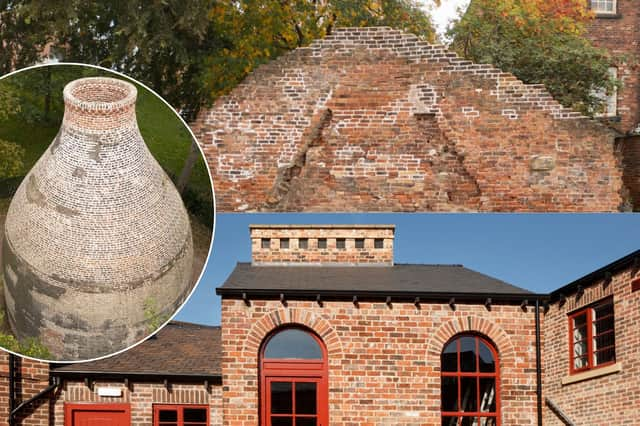

This year alone, 12 sites in Yorkshire, including three in South Yorkshire, have been rescued and their futures secured.
Many buildings and sites have been rescued with the help and commitment of local people, communities, charities, owners and funders including The National Lottery Heritage Fund.
Claudia Kenyatta CBE and Emma Squire CBE, Co-CEOs of Historic England, said: “The heritage we see all around us impacts how we feel about our local places. The annual Heritage at Risk Register gives us the opportunity to celebrate the many benefits of bringing our historic buildings back into use.
“The best way to protect our buildings is to reuse them, turning them into places of local connection and joy. The sites that have been saved and have come off the Register this year really highlight the benefits of working together in partnership, and with communities, to create positive, sustainable change. Together we can safeguard our heritage for future generations.”
Heritage Minister Baroness Twycross said: “We are determined to protect the heritage at the heart of our communities.
“It is fantastic to see so many historical sites saved for communities up and down the country. These are much loved places and it is great to see them being brought back in to use. This year alone our £15 million Heritage at Risk Capital Fund has been key to saving buildings like these.”
The buildings and sites saved in South Yorkshire
SAVED – Rockingham Kiln, Rotherham
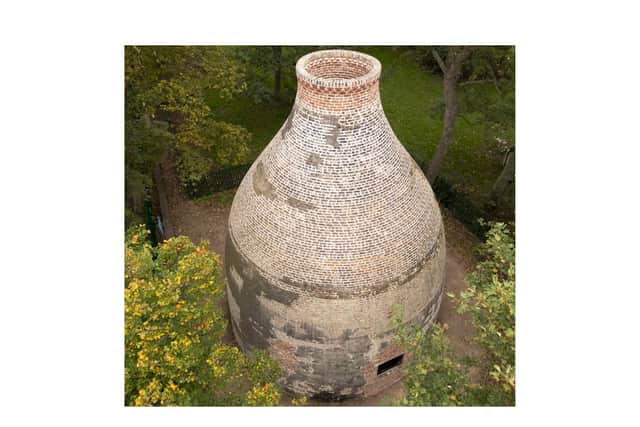
The Rockingham Kiln in Swinton, near Rotherham, is a rare survival of what was once an internationally renowned porcelain works, producing flamboyant items for royalty and aristocracy, including King William IV.
Dating from 1815, the distinctive bottle-shaped building became famous under the patronage of the Earl Fitzwilliam, of nearby Wentworth Woodhouse.
Due to structural issues including decaying brickwork, mortar and timber as well as vegetation growth, the site was added to the Heritage at Risk Register in 2022.
Rotherham Council included the kiln on a list of key community management projects. The site received a £77,000 grant from Historic England in 2024 to support its repair. Management of the wider site and historical information has also been improved and the council has started a programme of community-led events.
SAVED - Well Meadow Street Conservation Area, Sheffield
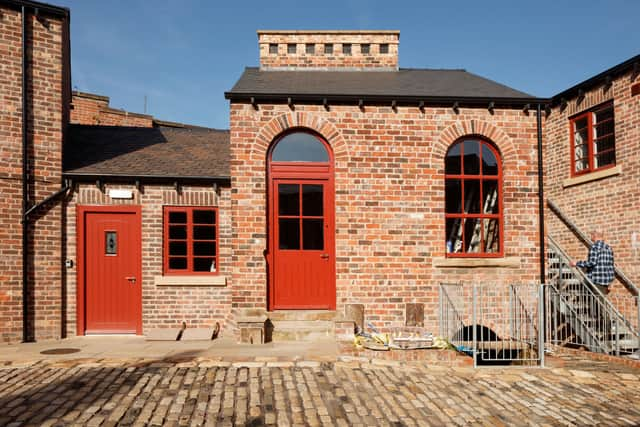
A landmark site for Sheffield’s steel heritage has been removed from the Heritage at Risk Register following support including Historic England-funded repairs.
Situated around 1km west of Sheffield city centre, the Well Meadow Street conservation area includes some of the best surviving examples of the small-scale steel and cutlery works characterising the city’s metal working trades in the early 19th century.
Landmark buildings include St Vincent’s Church, now part of the University of Sheffield campus, and metal trade buildings such as the Grade II* listed 35 Well Meadow Street.
Slum clearance and changing land uses led to more warehouse and general industry uses throughout the 20th century. Due to dereliction and unsympathetic development, the site was placed on the Heritage at Risk Register.
Following grant support from Historic England and other funders for the repair of once-derelict buildings and the redevelopment of empty sites, the conservation area is no longer at risk.
SAVED: Bower Spring cementation furnace, Sheffield

Support from Historic England has helped save a nationally significant monument to Sheffield’s steelmaking.
The Bower Spring cementation furnace was originally added to the Heritage at Risk Register in the 1990s. This scheduled monument in Sheffield is the only surviving site containing both cementation and crucible furnaces, showcasing the development of steel manufacturing processes, but was threatened by collapsing brickwork and vegetation growth.
The extensive repairs included repointing masonry, removing vegetation, consolidating stonework, installing protective cappings and removing recent graffiti. New paving and landscaping were added to make the site easier to maintain.
Made possible with just over £60,000 of funding from Historic England, key project partners included South Yorkshire Industrial History Society and Sheffield Historic Buildings Trust.
The project has also developed local heritage skills by including opportunities for apprentice bricklayers to build conservation expertise. The team hope to hold future buildings maintenance training days on site.