
“We must go further” to get young people into work, Sheffield City Council leader says

“We are making a real difference to young people's lives, with almost 500 young people supported into employment in the last year alone”
Sheffield’s council leader has said the city already has a number of great projects helping get young people into work as a new report has revealed the crisis in youth employment.
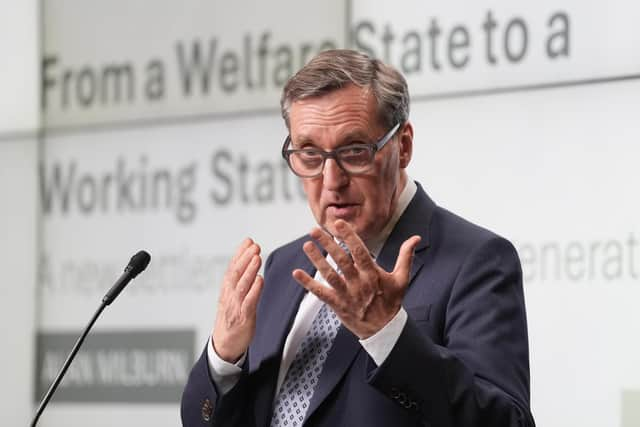
Alan Milburn set out a 10-year plan on Tuesday to reduce the number of 16 to 24-year-olds classified as not in education, employment or training (NEET) from its current level of around 13 per cent – equivalent to about a million people – to 5 per cent.
The former Labour minister called for a shake-up of the benefits system to save £3.6 billion a year, with funding instead going to measures to get 16 to 24-year-olds into jobs or training.

The Government has already said that they are working to offer college places to every young person who wants them, while Prime Minister Andy Burnham is hoping to secure new job opportunities with an EU youth mobility scheme to be agreed in Brussels on Friday, November 20.
In Sheffield, council leader Fran Belbin has said she is pleased the report “recognises both the work already under way here and our ambition to rewire support and opportunity around young people” after Milburn visited the city back in March.
However, she admits that the city’s NEET rate “remains higher than we want it to be” and urgent action will be needed to tackle it.
“What young people have told us, and this report reflects, is that there is rarely one standalone reason someone becomes disconnected from education or work,” Coun Belbin added.
“Mental health, confidence, qualifications, transport and whether the right support is there at the right time can all play a part. That is why we strongly welcome the report’s focus on joining things up and giving places greater ability to shape support around their young people.
“The Young People’s Guarantee is a key part of that ambition. Its success will depend on the systemic change behind it: bringing education, skills, health and employment support together so that young people have a clear route to the right help and opportunities, rather than being expected to navigate a collection of separate systems. A clearer front door matters, but so does making sure the right support is there when a young person walks through it.
“We are also pleased to see the report recognise the ground-breaking work through the Sheffield Policy Campus. We have worked with government to show how sharing data nationally, regionally and locally can help us understand where young people are at risk of becoming NEET and get support to them earlier. Giving places the data and tools to act on that insight really matters.”
Sheffield City Council recently approved a free bus and tram travel pilot for people under the age of 18, and they are also working to expand internship opportunities for young people with special educational needs and disabilities (SEND).
Nevertheless, readers of The Star say that there are still many hurdles that need to be overcome to truly improve opportunities for youngsters.
Sarah Larking has suggested that supermarkets must “set [a] minimum of opened manned tills for a start” to increase the city’s workforce, while Shane Johnson suggested: “I'd identify jobs with skills shortages. When an employee with those skills hits 60, I'd give the employer a decent tax break to help cover an apprentice to shadow and assist the employee until retirement.”
Many others spoke about lowering the retirement age, to ensure that more jobs become available, while others suggested lowering the minimum wage for those aged 16 - 18 and changing tax rates to encourage businesses to hire young people.
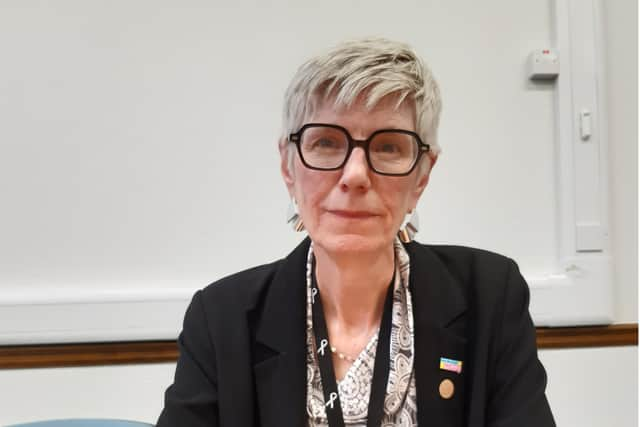
Coun Belbin - who represents the Firth Park ward - has said that more work will be done to ensure that there’s opportunities for the next generation.
She added: “There is already a lot of good work happening here. Through Pathways to Work and our partnerships with the voluntary and community sector, we are making a real difference to young people's lives, with almost 500 young people supported into employment in the last year alone.
“Alongside this, See It Be It is giving young people more opportunities to meet employers and experience the world of work, while our planned pilot of free bus and tram travel for under-18s will help remove practical barriers.
“These programmes show what can be achieved when we work together and provide a strong foundation to build on. But the scale of the challenge means we must go further and faster: providing help earlier, joining support up around young people and creating clearer routes into education, training and good jobs.
“We look forward to the White Paper and to working with SYMCA and other city and regional partners to turn the report’s ambition into action for young people in Sheffield.”