
Council housing chair says austerity created homelessness crisis but long term funding can help
"Some of the people that you see sleeping rough do have a roof and a place to go to, but there are reasons they don't go there”
The chair of Sheffield council's housing committee said the Christmas rough sleeping target is "irrelevant" without more funding and ongoing support.
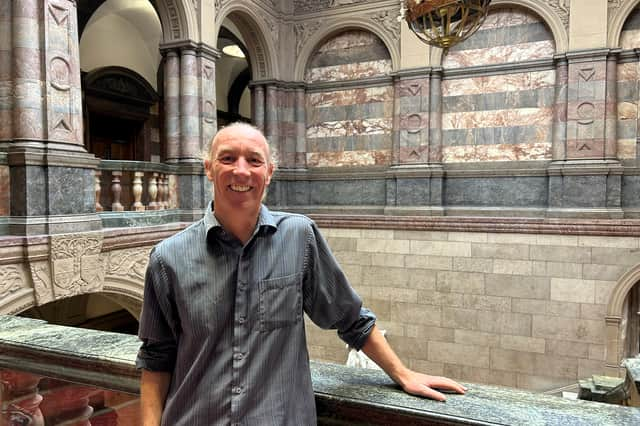

Sheffield City Council’s housing policy committee approved £1.4 million in government funding to get all rough sleepers in for Christmas, on October 22.
This comes after Prime Minister Andy Burnham pledged £442 million for emergency accommodation and "intensive wraparound support" to end rough sleeping in England.
Chair of the housing committee councillor Douglas Johnson said rough sleeping in the city is "not solely down to lack of a roof over their heads".
He said: “You have to look at the extent of trauma that a lot of people have when they are sleeping rough.
“Local charity the Archer Project tell us that 47 per cent of people sleeping rough had a brain injury before.
“It's not including the people who acquire brain injuries after sleeping rough, which can happen with a degree of violence and assaults on them.
“When you know that, you perhaps have a better understanding of how you're not dealing with the usual cohort of people who’ve just been unlucky. It's a really serious situation.
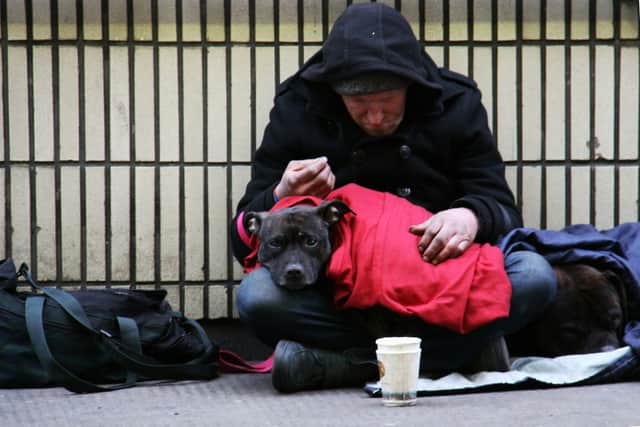
"Some of the people that you see sleeping rough in the city centre do actually have a roof and a place to go to. There are other reasons why they don't go there.
"The big thing there is about some human engagement."
In terms of helping people move away from rough sleeping by the end of the year, Coun Johnson described Christmas as "an irrelevance".
He added: “Christmas is a milestone for the general public who don't want to see people sleeping in shop doorways in the snow.
“It's a very emotive time, but actually, rough sleeping is an all year round issue. It needs sustained action over the long term."
Coun Johnson said he was pleased the government had provided three years' worth of funding - but added that the South Yorkshire Mayoral Combined Authority (SYMCA) receives the money and had only passed the council one year of it even though they are responsible for delivering homelessness services.
“That makes it much harder to plan ahead,” he said, adding that he will ask SYMCA for clarification on plans for year two and year three.
“It's always been a problem if you have short-term funding,” Coun Johnson said.
He explained one of the longer term supports are 'tenancy support workers', who work on a plan of action with council housing residents according to their needs.
“It takes some time to recruit staff, and then they need induction and training and take time to get up to speed in what's quite a difficult job.
“If the funding's only for 12 months, after a few months, you have to start planning for winding down their work. It's really, really inefficient."
He said: “Longer term funding and security is really important, and that's what we really need the government to commit to, and for SYMCA to deliver."
He gave credit to the “good skilled people working front line with very vulnerable people” across the voluntary sector, council, police and NHS.
“We're lucky in Sheffield. There's a lot of really good frontline workers who have human relationships with a number of people who were very dehumanised by society."
He said austerity from 2008 onwards led to these valuable services “falling by the wayside.”
“The reason that we're seeing so many more people sleeping rough now than there were 10 or 20 years ago is not because there is less accommodation now, it's because there are less support services."
He said social support was "dismantled over the course of austerity.
"That's what's led to the homelessness crisis now."
He said most people need support to “hold their lives together” but can take their social networks for granted.
“Whether it's people in a club or a church or a mosque or something like that, when you don't have those support networks, you can be very excluded and isolated.
"And when you come across an everyday problem, it can be magnified if you don't have people to turn to who are reliable who can help you see your way through it.
"That's what a lot of these services do."