
Campaigners call on Sheffield Council to stop using weedkiller destroying "plants and flowers insects rely on"

“We are in a nature emergency and it doesn’t make sense to go around killing plants and flowers that insects rely on”
A campaign group is calling on Sheffield City Council to stop their use of what has been described as a “toxic” weedkiller.
The ‘No Glyphosate Sheffield’ group alleges that the council is damaging local nature and wildlife with their use of glyphosate, as the group calls upon councillors to change the city’s approach at a meeting in November.
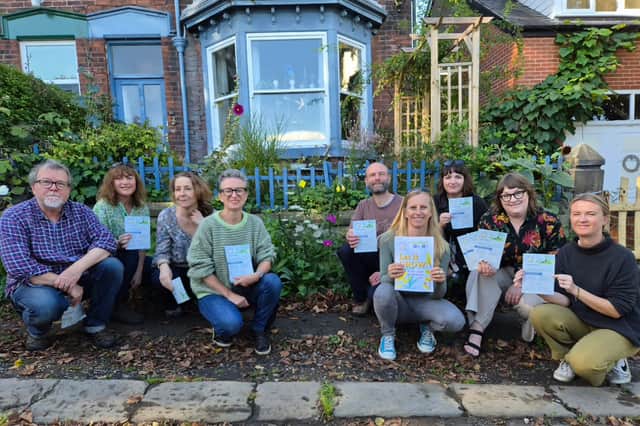

Campaigners claim that Amey - the council’s street management contractors - has been “liberally” using the weedkiller, destroying insects habitats and in some cases it is spreading into residents’ gardens, killing flowers and vegetables in the process.
"I don’t think that Sheffield Council should be paying the contractor Amey to spray our streets with chemicals where it’s not necessary,” Green councillor Marieanne Elliot said.
“We are in a nature emergency and it doesn’t make sense to go around killing plants and flowers that insects rely on.
“They could be spending their time filling potholes instead.”
In 2020, Sheffield Council committed to reducing it’s use of glyphosate, introducing alternative weedkiller options in an effort to provide more environmentally friendly approaches to street cleaning.
Glyphosate would be used reactively, to spot clean certain patches of weeds - rather than sprayed in general areas to prevent weeds growing.
However, at an Environmental Services and Regulation Committee meeting in December 2025, Amey presented data which suggested that the amount of weeds reported has risen, resulting in a higher use of glyphosate as a result.
The committee ultimately voted to alter the council’s approach, allowing proactive spraying around obstacles like lampposts to reduce Amey having to return to the same location multiple times.
Since then, residents have begun complaining about how the “indiscriminate” usage has seen Amey workers spray into people’s gardens and kill habitats in places like grass verges.
When the matter was raised at full council in June, chair of the environment committee, Coun Mark Rusling, said: “Amey is not required to spray over garden walls or into adjacent private property. Where weeds are present on the highway, including alongside private boundaries, these should be removed as part of highway maintenance.
“Residents may also remove such weeds themselves, which may reduce the need for glyphosate treatment by Amey.”
Nevertheless the campaign group is hoping that at an environment committee meeting on November 6 they can show the scale of objections to glyphosate usage, and see changes introduced like allowing streets to opt-out of its use.
However, Coun Elliot admits that at this stage there are still a lot of questions about how use can be cut that still need answering.
“I full support the campaign group because I agree - I agree that this really liberal use of glyphosate is not justified or reasonable,” the Gleadless Valley councillor added.
“But I think we definitely need more answers about the approach.”
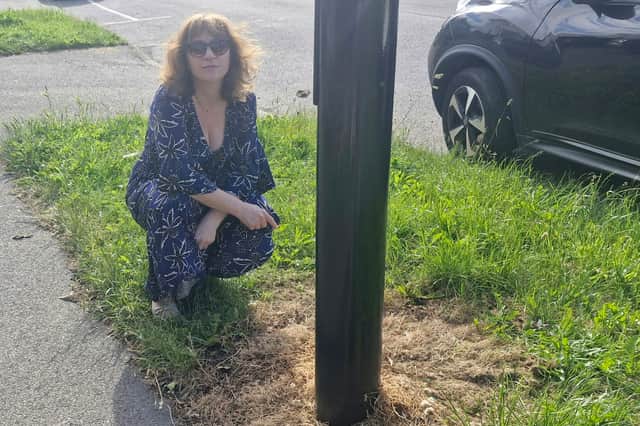
Coun Mark Rusling, chair of Environmental Services and Regulation Policy committee, said: "We understand that some residents have concerns about the use of glyphosate and we take those concerns seriously.
“Glyphosate use on Sheffield's highway network has reduced by more than 65 per cent during 2026 compared with 2025 as part of ongoing work by the council and Amey to reduce reliance on the product through an Integrated Pest Management approach.
“While glyphosate is currently used across a range of council services to help manage weeds and invasive vegetation in public spaces, this approach combines targeted weed treatment with measures such as enhanced street cleansing and the removal of the material in which weeds grow.
“Glyphosate remains one of the tools used to manage weeds on the highway network and is applied in a controlled and targeted way.
“The council and Amey continue to look at ways to further reduce reliance on glyphosate where practical and effective alternatives are available.
“We are aware of concerns about alleged damage to private gardens; however, we have received only one claim relating to weed spraying this year and, following investigation, that claim was not upheld.”