
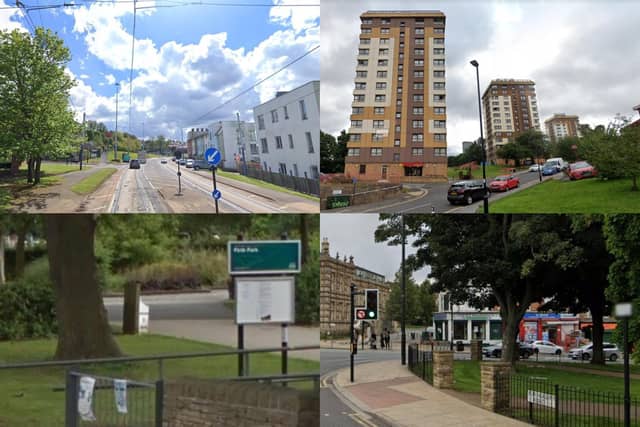

In the least affluent parts of the city, a typical household is earning less than half as much as in the wealthiest areas of Sheffield. The Star has already revealed the richest parts of Sheffield based on estimated average household income, now we have compiled a list of the poorest areas using the same data.
The average household income for Sheffield as a whole is £40,688, which is lower than the England-wide average of £43,966 but higher than in all the other ‘core cities’ other than Bristol (£42,608).
Our list of the Sheffield neighbourhoods with the lowest estimated average household income uses figures for so-called Metropolitan Super Output Areas (MSOA) within Sheffield, of which there are 70 listed.
The estimates were calculated using regional figures from the Family Resources Survey and modelling down to neighbourhood level based on characteristics of the neighbourhood obtained from census and administrative statistics. The statistics are the latest published by the Office for National Statistics in March 2020, and they were shared on the Sheffield Local Insight website run by Sheffield Council.
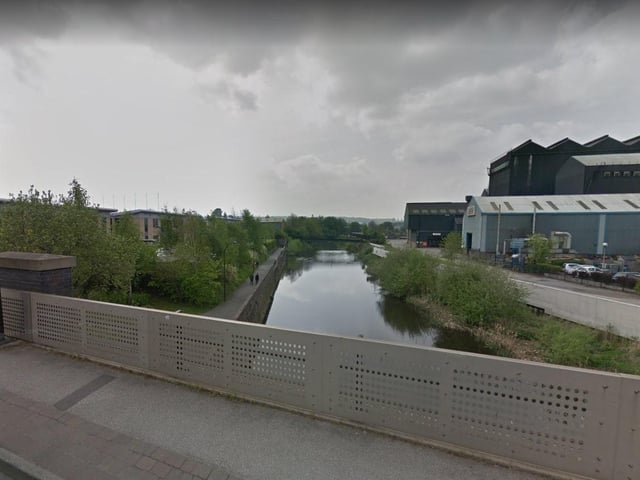
17. Tinsley & Carbrook - £30,200
The average annual household income in Tinsley & Carbrook is £30,200, which is the fourth lowest of all Sheffield neighbourhoods, according to the latest Office for National Statistics figures published in March 2020 Photo: Google
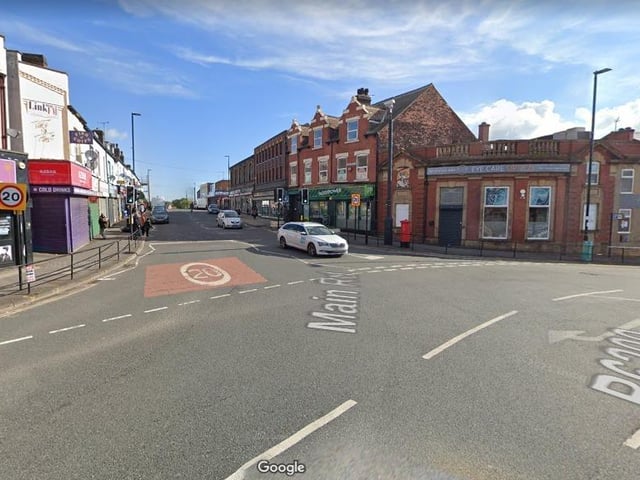
18. Darnall - £29,600
The average annual household income in Darnall is £29,600, which is the third lowest of all Sheffield neighbourhoods, according to the latest Office for National Statistics figures published in March 2020 Photo: Google
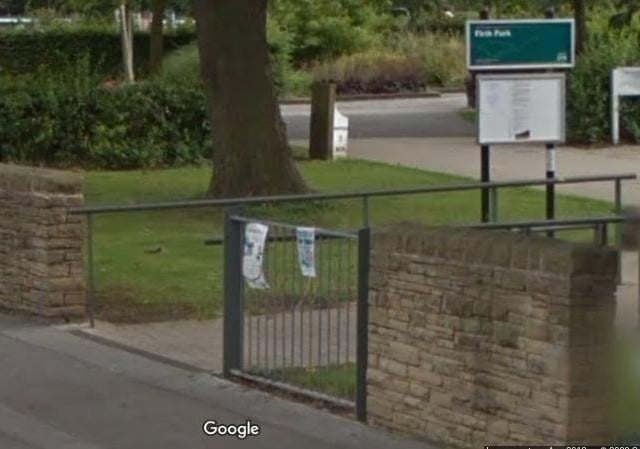
19. Firth Park - £29,300
The average annual household income in Firth Park is £29,300, which is the second lowest of all Sheffield neighbourhoods, according to the latest Office for National Statistics figures published in March 2020 Photo: Google
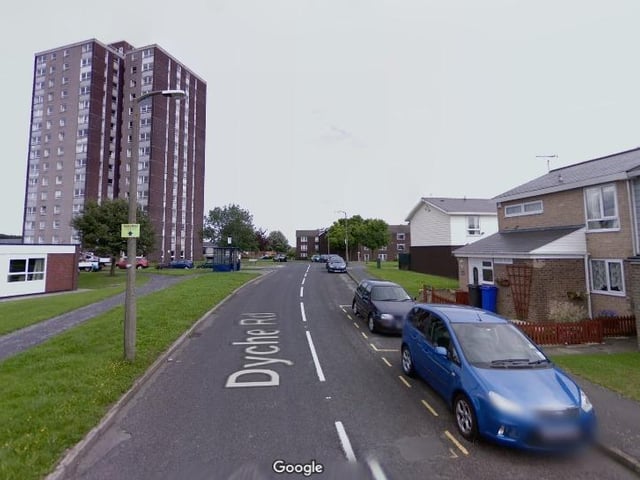
20. Batemoor & Jordanthorpe - £28,200
The average annual household income in Batemoor & Jordanthorpe is £28,200, which is the lowest of all Sheffield neighbourhoods, according to the latest Office for National Statistics figures published in March 2020 Photo: Google