
Sheffield mums say council means test is pushing their adult children out of learning disability placements
Two Sheffield mums say council means testing is forcing them to remove their adult children from learning disability placements.
Natalie Brawn and Emily Shaw’s daughters, both aged 22, have attended charity Work Ltd’s Hidden Gem Cafe at Bents Green for years now, forming crucial relationships.
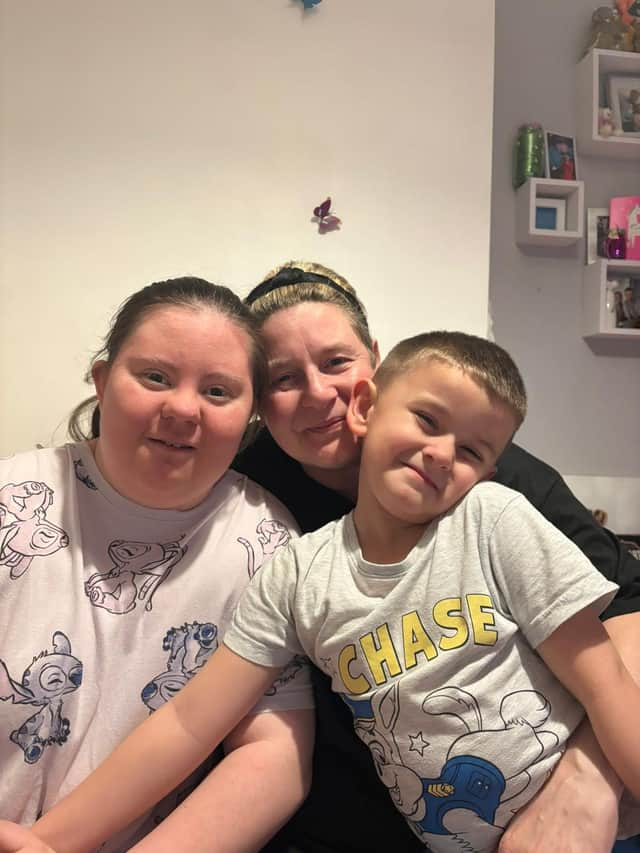

However they were both informed at the end of February that both girls would need to contribute funding towards their placements - in both cases making them unaffordable.

The mums say staff at their placements are like “family” - providing crucial independence and stimulation for their children - and the loss of this support could be catastrophic.
A Sheffield City Council spokesperson said it follows a fair and consistent process in line with the Care Act, adding “everyone is assessed according to their own financial circumstances”.
Speaking about the care payments, Natalie says she was told in January that her daughter Meghan would would be expected to pay £260 towards her services.
Meghan works three days a week at Hidden Gem Cafe in Bents Green and attends one day at Enable training centre in Manor Park - where she has formed strong relationships.
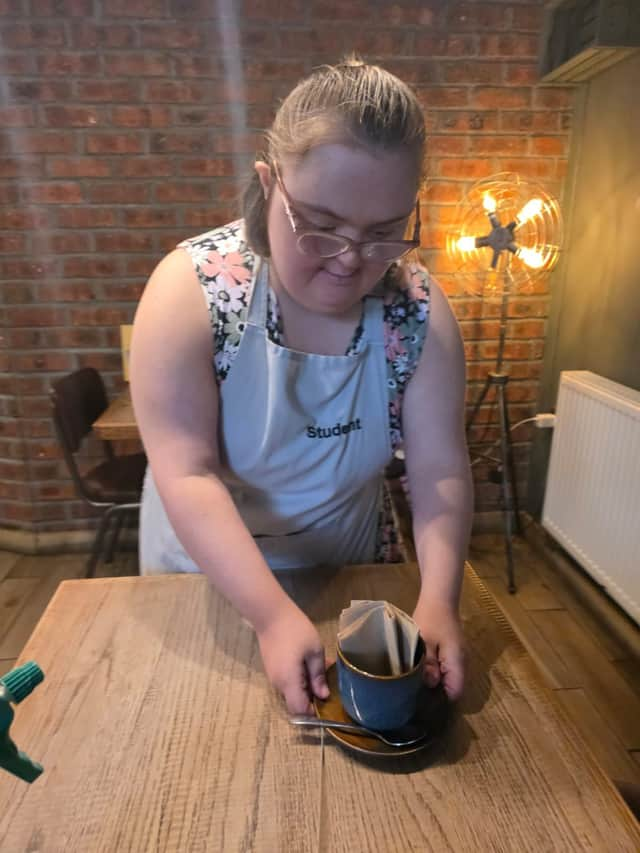
However the unaffordable contribution leaves mum Natalie with no choice but to remove Meghan from the support services she has grown to love and have her placed in free council services.
The figure was arrived at after Natalie was asked to complete an expenditure form. However mum-of-four Natalie says the council refuses to take bills such as phone or house utilities, or clothing into account - only providing a council tax discount.
Should the £260 services contribution be applied, Megan’s outgoings will be more than the income she receives through Universal Credit, says Natalie.
The irony, says Natalie is that Megan, who has “severe” learning difficulties including autism and Down's syndrome, “doesn’t even understand that she gets money”.
Describing the situation, she said: “It’s wrong - they want to treat her like an adult but she’s not allowed to live like an adult.
“She doesn’t take to change at all and to take her out of these placements - I just wouldn’t like to imagine. I’m devastated. I’ve done nothing but cry.
“I don’t understand how they can make these cutbacks for adults with learning disabilities.”
Emily Shaw’s daughter Alyssa also has Down's syndrome and has been attending Hidden Gems and the Riva Project in Wisewood four days a week.
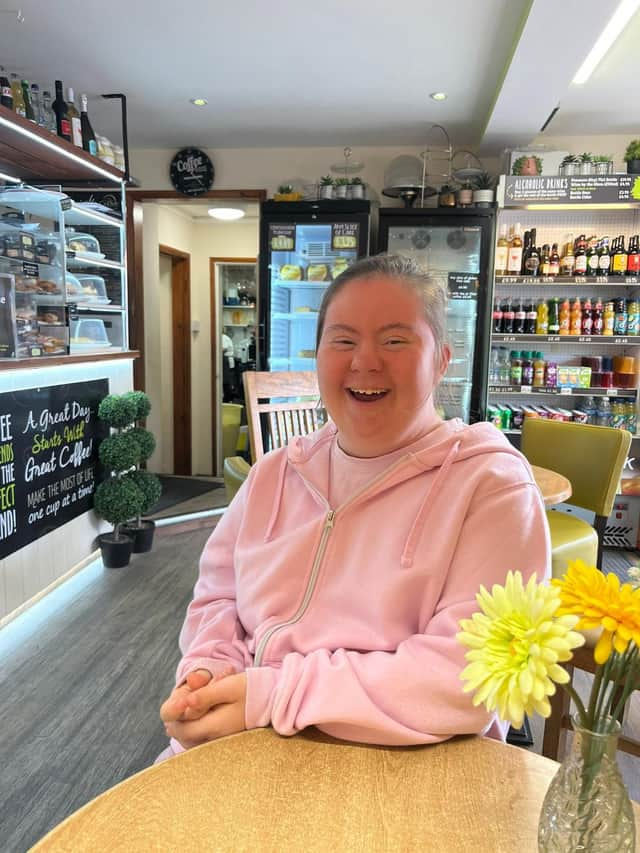
However mum Emily, 46, has made the “heartbreaking” decision to withdraw Alyssa from both placements due to the funding changes.
Mum-of-four Emily was informed by letter that from February her daughter would have to contribute £460 a month towards her social care.
“They say because Alyssa lives with me she’s not accountable to contribute to the house,” said Emily.
Alyssa, who suffers with arthritis, has been dancing since the age of four - which is encouraged by doctors as beneficial for her joints.
Fees are paid by her parents however according to the council such expenditures are not deemed eligible for an allowance.
Emily said: “To Alyssa this is an important need. The argument we’ve put to the council is if Alyssa has to contribute it will cost them more, as I’ll need to go back to work and Alyssa needs a personal assistant.
“She would also need eight taxis a week to get to and from placements. It upsets me that the council are now saying I can’t look after her anymore. It’s just so upsetting.
“They just not looking at Alyssa as a person and I need them to do that.” Speaking about the placements, Emily said: “These people aren’t just somewhere she goes - they’re her friends and family.”
Councillor Angela Argenzio, chair of the adult health and social care policy committee at Sheffield City Council, said: “We know that any change to the financial contribution that families or individuals must make can be very stressful, especially when they are also caring for loved ones.
“We’re here every day on the phone and in person if needed to help people with their questions about financial assessments.
“Adult Social Care is means‑tested, and people with eligible care needs may need to contribute towards their support depending on their income and savings.
“We follow a fair and consistent process in line with our policies and the Care Act, so everyone is assessed according to their own financial circumstances.
“When we complete a financial assessment we always stress how important it is to tell us about any changes in circumstances, as this can affect what someone pays.
“Each year we write to everyone who contributes towards their care with updated information and from the new financial year we will also write annually to people currently assessed as nil‑fee payers to remind them to keep us updated about any changes.”