
Jailed Rotherham gunman granted day release from prison to attend mum's funeral

He feared he would not be able to attend the service
A gunman serving a six-year prison sentence over a shooting Rotherham was granted day release to attend his mum’s funeral - after his plight was shared by The Star.
Martin Neville had been fighting to visit his mum Susan Mousley before she passed away in June this year at the age of 63, but he never got the chance to say goodbye in person.

Susan spent three decades battling hepatitis C after receiving contaminated blood in a transfusion at Rotherham District General Hospital.
She was then diagnosed with cancer in 2024, the same year the Government released the findings of an inquiry into the blood scandal, which revealed thousands of people had been infected through transfusions.
Following her death, her family battled for Martin to be allowed to pay his respects to his mum, who was his “closest” relative, according to loved ones.
Yet they said they kept hitting dead-ends with the prison service and reached out to The Star in a last-ditch effort to see him attend the funeral at Rotherham Crematorium on Saturday, August 8.
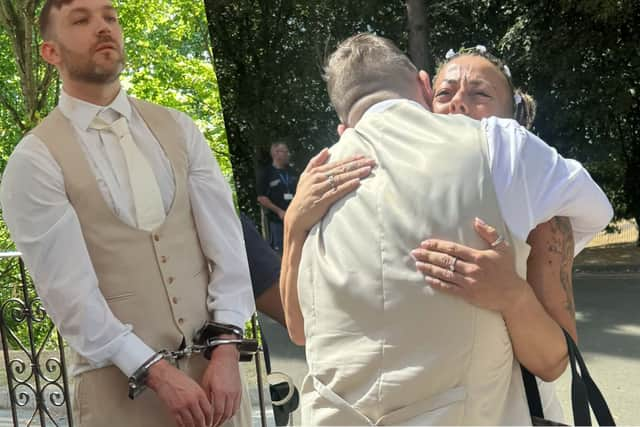
Martin was granted the chance to attend the service.
He had to wear handcuffs and was escorted by guards.
Martin’s sister, Tara Haley, said: “My brother wanted me to express his sincere gratitude to The Star and the officers that escorted him to pay his respects to his mum, he believed the article made a massive impact on getting him there.”
Martin was convicted in January 2024 after shooting a man in the leg outside Thrybergh Working Men's Club and is currently serving out his sentence in HMP Peterborough.
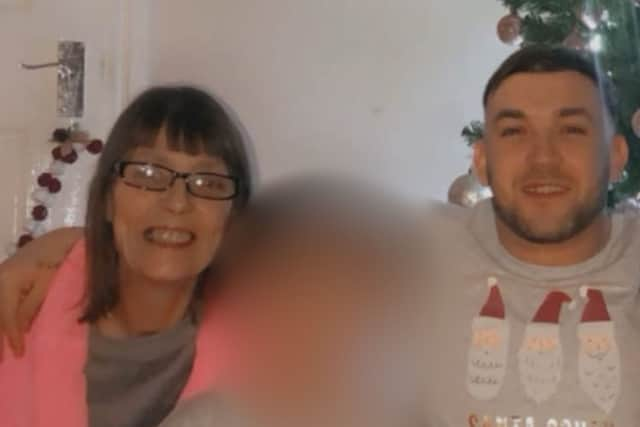
Despite his mum’s long-term battle with ill health, family say that she maintained a “positive perspective.”
“She was very unique as an individual. Very quirky, very funny - she would do anything when it comes to her children,” Tara added.
“She said to us after the initial [cancer] diagnosis in 2024 ‘if I hadn't had the blood transfusion I wouldn’t have had the last 30 odd years’.
“She said ‘I would never have met my grandchildren. I would never have seen my kids grow up. So essentially I would have died without that blood, it might have been bad blood and my quality of life has been terrible since having been given it, but I got that time’.”